
Iron and calcium are two essential nutrients that play an important role in a woman’s health at every stage of life. From the teenage years to pregnancy and menopause, the body needs these minerals to function properly. However, many women do not get enough iron and calcium through their daily diet, which can lead to health problems over time.
At Shifa Al Khobar, we believe that understanding nutritional needs is an important part of staying healthy. Knowing why these nutrients matter, which foods provide them, and when to seek medical advice can help women make better decisions about their health.
Why Is Iron Important for Women?

Iron helps the body produce haemoglobin, a protein found in red blood cells that carries oxygen from the lungs to different parts of the body. When the body does not have enough iron, it may struggle to produce healthy red blood cells, resulting in iron deficiency anaemia.
Women are particularly vulnerable to iron deficiency because of monthly menstruation. Heavy periods can increase iron loss, making it important to include iron rich foods in everyday meals. The body’s iron requirements may also increase during pregnancy because it needs to support the growing baby and the mother’s increased blood supply.
Common signs of low iron levels include tiredness, weakness, dizziness, headaches, pale skin and difficulty concentrating. Some women may also experience shortness of breath during physical activity. These symptoms can develop gradually, so they are not always easy to recognise at first.
Foods That Help Maintain Iron Levels
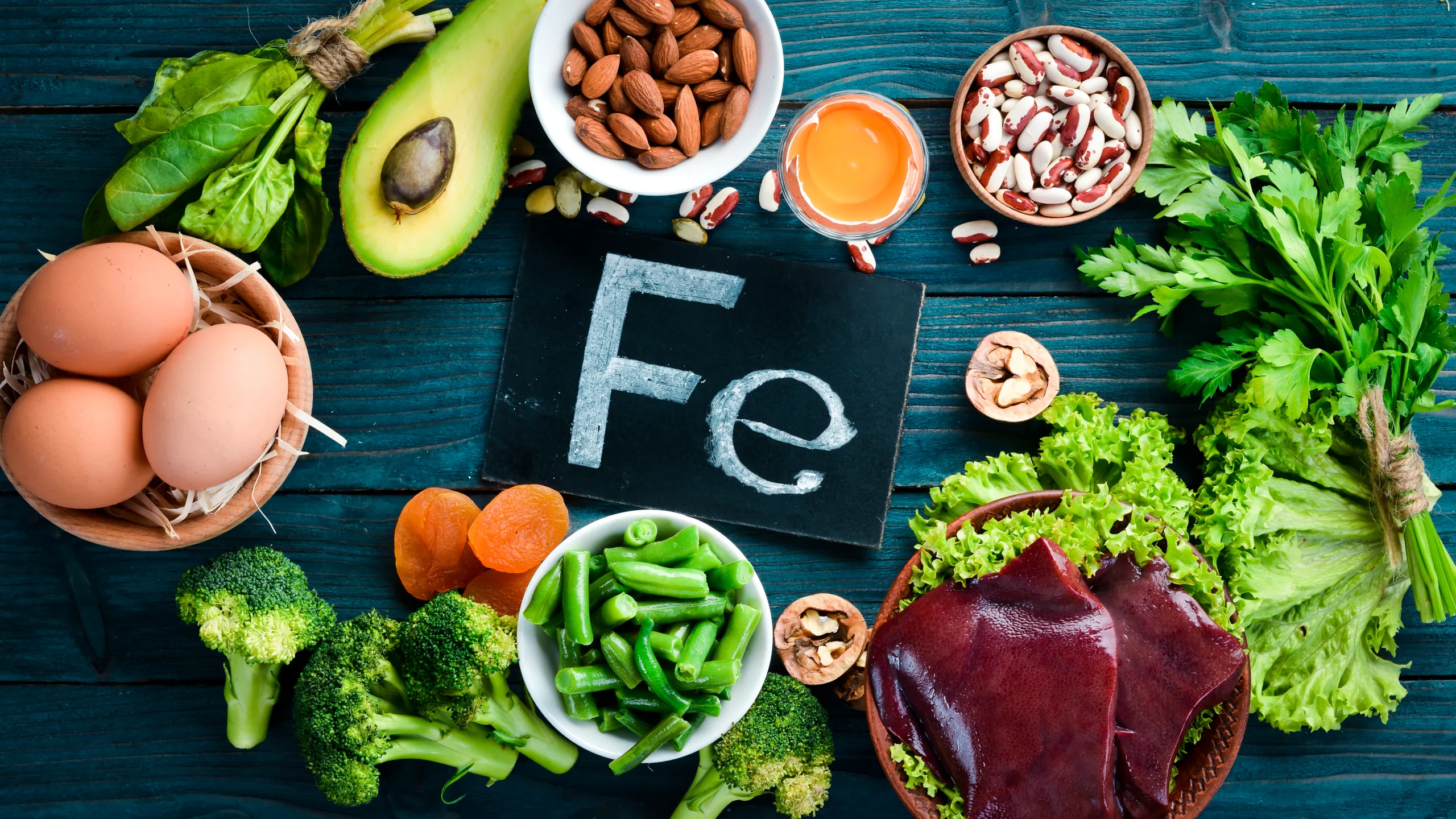
Including iron rich foods in your diet is a practical way to support healthy iron levels. Good sources include lean meat, fish, eggs, lentils, beans, spinach and iron fortified cereals.
Vitamin C helps the body absorb iron from plant based foods. Eating foods such as oranges, guava, tomatoes and bell peppers alongside iron rich meals can improve iron absorption.
Women who experience persistent fatigue or heavy menstrual bleeding should consider speaking with a healthcare professional. A blood test can help identify iron deficiency and determine whether dietary changes or iron supplements are needed. Iron supplements should not be taken unnecessarily because too much iron can also be harmful.
Why Is Calcium Essential for Women?

Calcium is best known for its role in building strong bones and teeth, but its benefits go beyond that. It also supports normal muscle movement, nerve function and blood clotting.
Women need enough calcium throughout their lives to maintain bone strength. During the younger years, adequate calcium intake helps build strong bones. As women grow older, maintaining calcium intake becomes increasingly important because bone density can gradually decrease.
The risk of bone loss often increases after menopause due to lower oestrogen levels. This can make bones weaker and increase the likelihood of osteoporosis, a condition that causes bones to become fragile and more likely to fracture.
Best Food Sources of Calcium
Milk, yoghurt and cheese are well known sources of calcium. Women who do not consume dairy products can obtain calcium from foods such as calcium fortified plant based milk, tofu prepared with calcium, sesame seeds and certain leafy green vegetables.
Regular physical activity, particularly weight bearing exercises such as walking, can also help maintain bone strength. Vitamin D is equally important because it helps the body absorb calcium effectively.
Getting enough calcium through food is generally preferable. If your dietary intake is insufficient, a healthcare professional can advise whether a calcium supplement is appropriate for you.
Why Women Need Both Iron and Calcium
Iron and calcium perform different functions, but both contribute to overall health. Iron helps carry oxygen throughout the body, while calcium supports strong bones, muscles and normal nerve function. A balanced diet that includes both nutrients helps women maintain energy levels and support their bodies as their needs change with age.
Teenage girls, women with heavy periods, pregnant women and women approaching menopause may have particular nutritional needs. However, requirements vary depending on age, health conditions, pregnancy status and individual circumstances.
It is also important to remember that feeling tired does not automatically mean you have low iron, and bone discomfort does not necessarily indicate calcium deficiency. These symptoms can have several causes, which is why professional assessment matters.
How Can Women Maintain Healthy Iron and Calcium Levels?
Start by eating a varied diet that includes vegetables, fruits, whole grains, protein sources and calcium rich foods. Avoid relying on a single food or supplement to meet all your nutritional needs.
Routine health assessments can help identify deficiencies before they lead to more serious problems. Depending on your symptoms and medical history, a doctor may recommend blood tests, dietary advice or further investigations. Women who are pregnant, have heavy periods or have existing medical conditions should discuss their nutritional requirements with a healthcare professional.
At Shifa Al Khobar, we encourage women to take a proactive approach to their health through balanced nutrition, appropriate medical checkups and personalised advice. If you have concerns about iron deficiency, calcium intake or your general nutritional health, contact Shifa Al Khobar to learn more about our healthcare services and arrange a consultation with our medical team.