
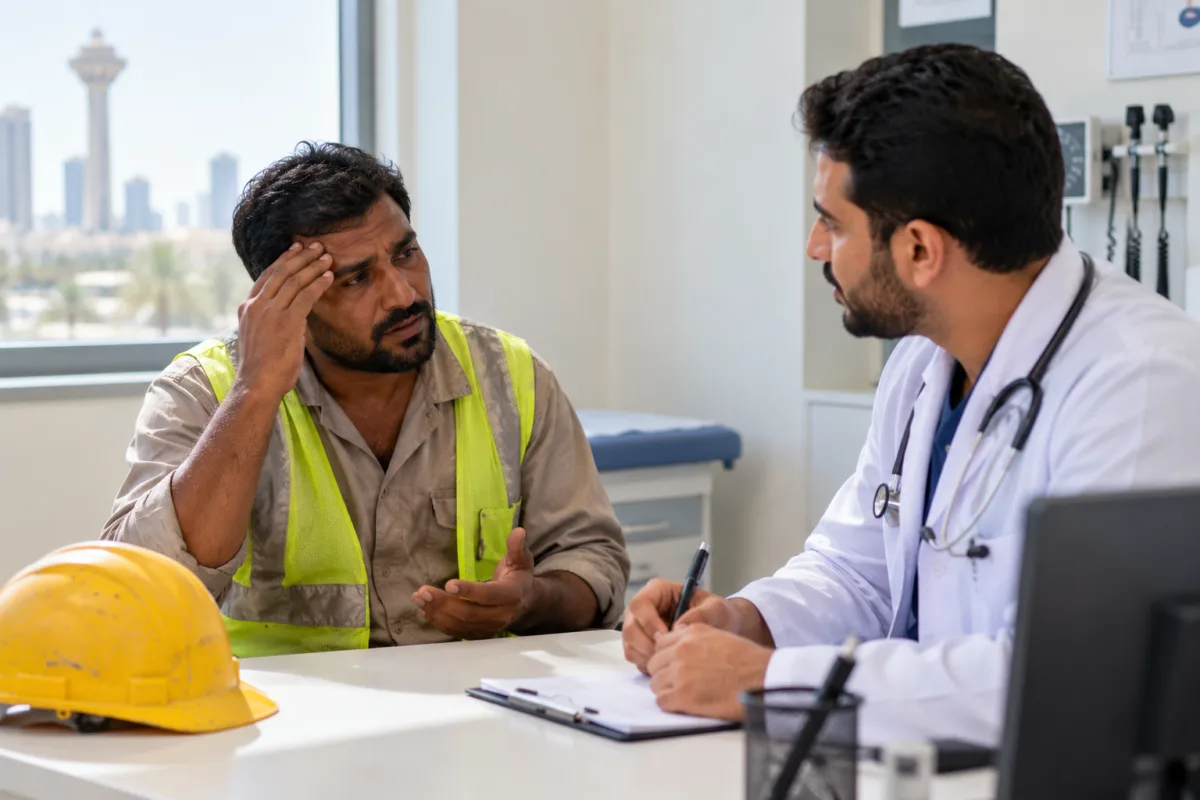
Outdoor workers in Al Khobar face challenging working conditions during the hotter months of the year. Construction workers, delivery personnel, security guards, drivers, and maintenance staff often spend several hours working under direct sunlight. High temperatures, humidity, and physical activity can put extra pressure on the body, making it important to pay attention to health and safety.
At Shifa Al Khobar, we understand the importance of preventive healthcare for people who work outdoors. Regular health checks help identify potential health concerns early and allow workers to take the necessary steps to protect themselves. A medical checkup is not only useful when someone feels unwell. It can also help workers understand their health condition and manage the physical demands of their jobs.
How Hot Weather Affects Outdoor Workers
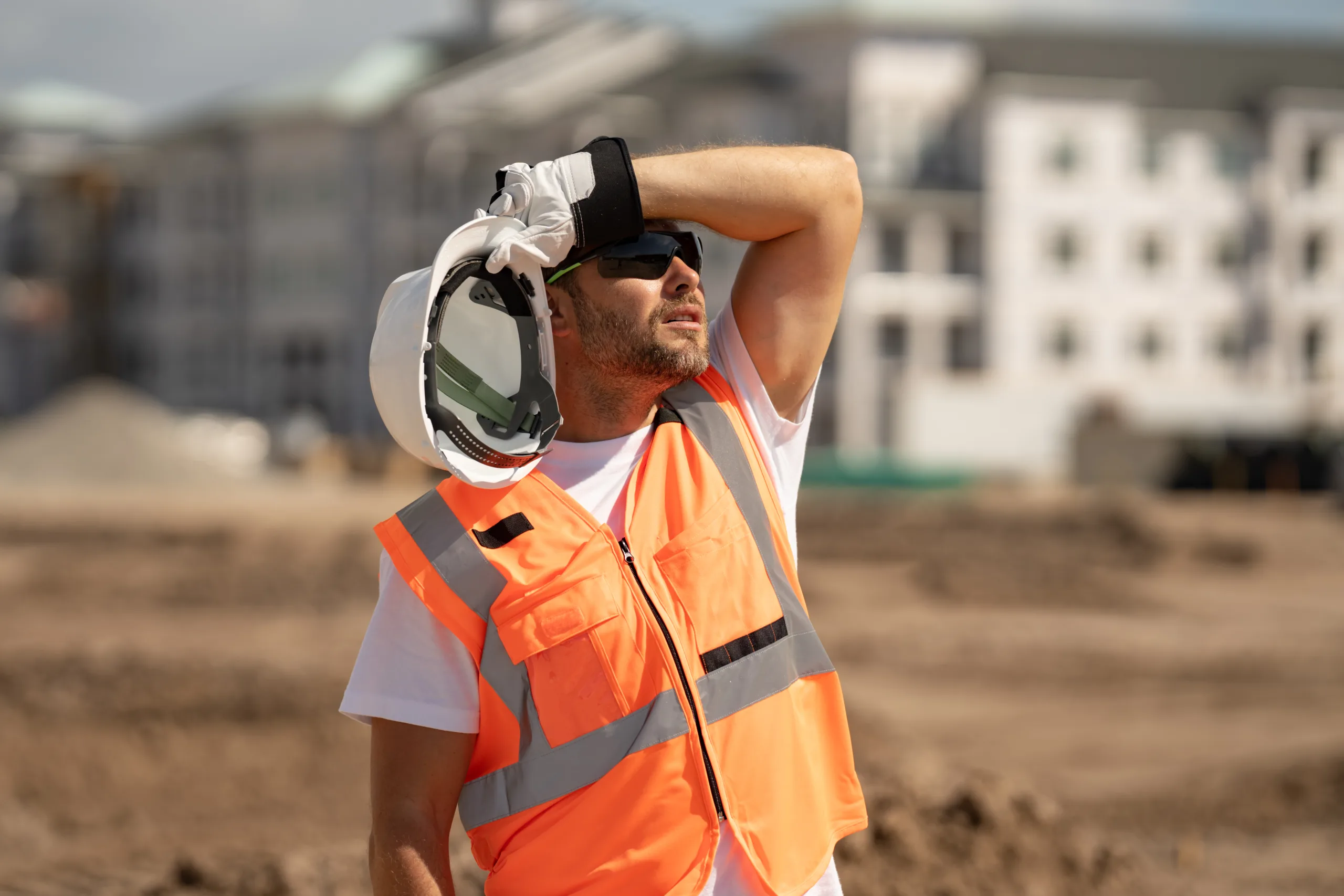
Working in hot weather makes it harder for the body to maintain its normal temperature. When someone works for long hours in direct sunlight, the body loses water and essential salts through sweating. If these losses are not replaced, dehydration can develop.
Common signs include excessive thirst, headache, dizziness, tiredness, muscle cramps, and reduced concentration. In more serious cases, prolonged heat exposure can lead to heat exhaustion or heatstroke, which requires urgent medical attention.
Workers who perform physically demanding tasks may face a greater risk because their bodies produce additional heat during activity. People with existing medical conditions may also need extra care, depending on their condition and treatment.
Why Regular Health Checks Matter During Summer
Regular medical examinations help identify health concerns before they become more serious. Outdoor workers may continue working despite feeling tired or uncomfortable, especially when they have demanding schedules. Routine health checks provide an opportunity to discuss these symptoms with a healthcare professional.
A doctor can assess general health, review medical history, and recommend further tests when necessary. These checks can also help identify conditions that may affect a person’s ability to tolerate heat, such as certain heart conditions, kidney problems, or uncontrolled blood pressure.
Health assessments should be based on the worker’s age, medical history, job responsibilities, and exposure to heat. Workers who take medication should also discuss its possible effects on hydration and temperature regulation with their doctor. They should never stop prescribed medication without medical advice.
Health Problems That Should Not Be Ignored

Some symptoms may appear minor at first but can indicate that the body is struggling to cope with the heat. Recognising these warning signs can help workers seek medical attention before their condition worsens.
- Dehydration: Heavy sweating without enough fluid replacement can cause weakness, headaches, and dizziness.
- Heat exhaustion: Heavy sweating, nausea, weakness, and faintness may indicate that the body is overheating.
- Blood pressure changes: Heat and dehydration can affect blood pressure, particularly in people who already have related health concerns.
- Heart strain: Working in high temperatures increases the demands placed on the cardiovascular system.
- Reduced concentration: Fatigue and dehydration can affect attention, increasing the risk of workplace accidents.
Confusion, seizures, collapse, or a very high body temperature may indicate heatstroke. This is a medical emergency. Call emergency services immediately, move the person to a cooler place, and begin cooling them while waiting for help.
What Should a Summer Health Check Include?
The type of health check required depends on the worker’s job and individual health needs. A healthcare professional may recommend several assessments to understand how well the body is coping with the demands of outdoor work.
A routine check may include blood pressure measurement, weight assessment, a review of current medications, and questions about symptoms such as dizziness, unusual tiredness, or breathlessness. Blood tests may be recommended when there is a medical reason to investigate concerns such as blood sugar levels, kidney function, or electrolyte imbalances.
Workers with existing medical conditions should discuss whether they need more frequent monitoring during the hotter months. Employers can also arrange occupational health assessments where appropriate, particularly for employees who regularly work in high temperatures.
There is no single testing schedule that suits every outdoor worker. The right frequency depends on individual risk factors, workplace conditions, and medical advice.
Simple Ways to Stay Safe While Working Outdoors
Health checks are important, but daily precautions also play a major role in preventing heat related illnesses. Workers and employers should take practical steps to reduce exposure to excessive heat.
- Drink water regularly: Do not wait until you feel thirsty. During prolonged sweating, suitable electrolyte replacement may also be necessary.
- Take breaks in cooler areas: Resting in shaded or air conditioned spaces gives the body time to recover.
- Wear suitable clothing: Lightweight, breathable workwear and appropriate sun protection can help reduce discomfort.
- Follow workplace heat safety rules: Adjusting work schedules and limiting strenuous activity during the hottest periods can reduce heat exposure.
- Report unusual symptoms: Dizziness, nausea, weakness, or severe fatigue should never be ignored during outdoor work.
Employers should ensure that workers have access to drinking water, rest areas, and appropriate heat safety measures. Workers should also understand when to stop working and seek medical help.
When Should Outdoor Workers Visit a Doctor?

Outdoor workers should arrange a medical appointment if they experience recurring headaches, unexplained fatigue, frequent dizziness, unusual thirst, or other symptoms that continue despite adequate rest and hydration. People with diabetes, heart disease, kidney conditions, or blood pressure problems should follow their doctor’s advice about working safely in hot weather.
A medical assessment is also helpful before beginning a physically demanding outdoor job, especially for people with existing health concerns. However, anyone experiencing signs of heatstroke needs emergency care rather than waiting for a routine appointment.
At Shifa Al Khobar, we encourage outdoor workers to make preventive healthcare part of their regular routine. If you work outdoors in Al Khobar and want to understand your health needs during hot weather, contact us to enquire about our medical services and arrange an appropriate health assessment. Our team can guide you towards the care you need to help protect your health.