

Blood tests are a common part of routine health checkups. They help doctors understand what is happening inside your body, identify possible health concerns, and monitor existing medical conditions. However, when you receive your laboratory report, the numbers, abbreviations, and reference ranges can be confusing. Knowing how to read your blood test results can help you understand your health better and have more meaningful conversations with your doctor.
At Shifa Al Khobar, we believe that understanding your test results is an important step towards taking care of your health. Let us look at some common blood tests and what their values generally indicate.
Why Are Blood Tests Important?

Blood tests provide useful information about different organs and body functions. Doctors may recommend them during routine health screenings or when you experience symptoms such as tiredness, weakness, frequent infections, or unexplained weight changes.
Depending on the tests requested, your report may provide information about red blood cells, white blood cells, blood sugar, cholesterol, kidney function, and liver health. These results help doctors decide whether further investigations or treatment may be necessary.
Understanding Common Blood Test Results
1. Complete Blood Count
A Complete Blood Count, commonly called CBC, measures different types of cells in your blood. It is one of the most frequently requested laboratory tests.
Red blood cells: These cells carry oxygen throughout your body. Low levels may indicate anaemia, which can cause tiredness, weakness, or dizziness. High levels may be associated with dehydration or certain medical conditions.
White blood cells: These cells help your body fight infections. An increased count may occur during an infection or inflammation, while a low count can have several causes, including certain medications.
Platelets: Platelets help your blood clot. Low levels may increase the risk of bleeding, while high levels can sometimes be associated with inflammation or other conditions.
Your doctor will consider these values together rather than interpreting each number separately.
2. Blood Sugar Levels
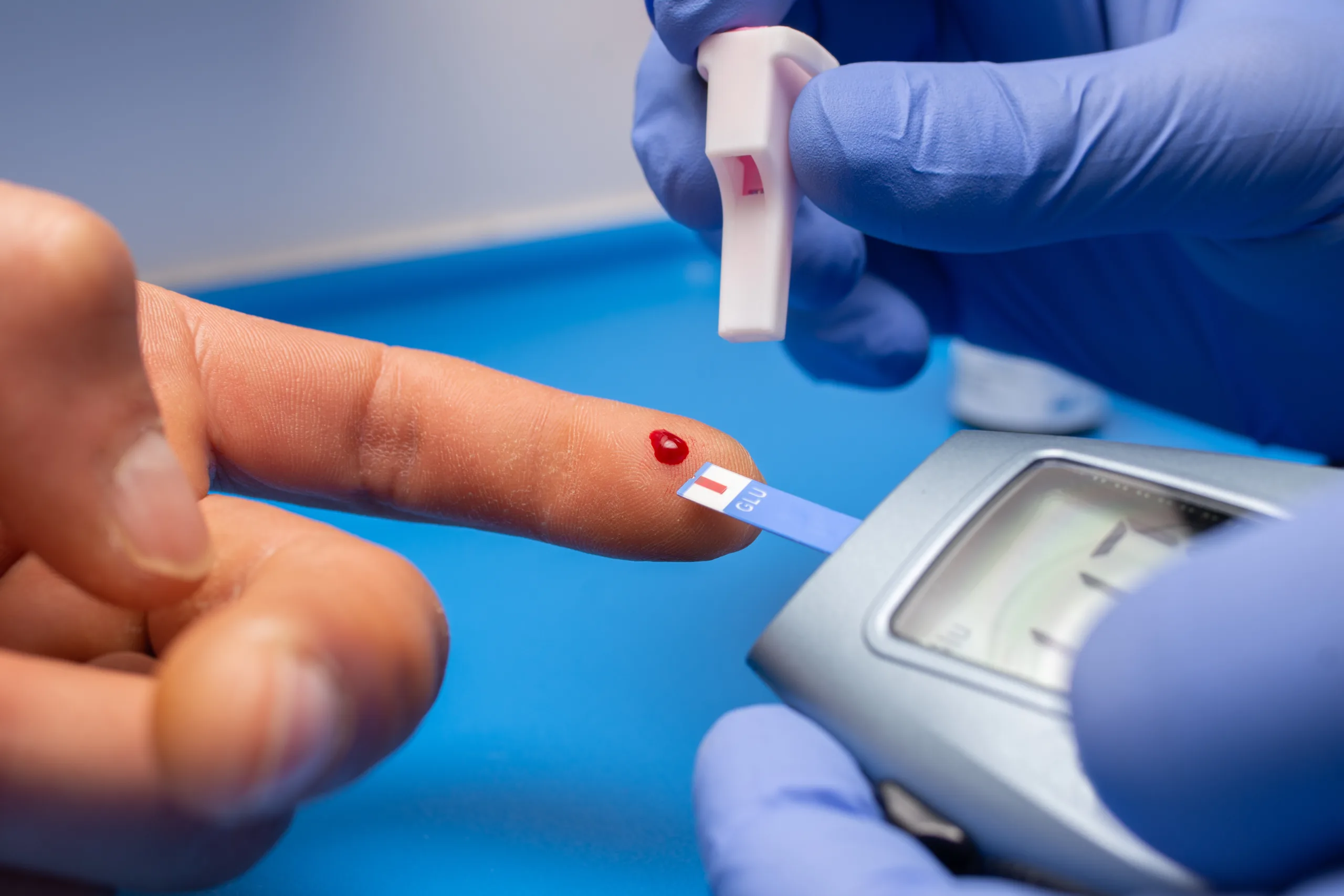
Blood glucose tests measure the amount of sugar in your blood. They are commonly used to screen for diabetes and monitor blood sugar control.
A fasting blood glucose test is usually performed after avoiding food for at least eight hours, as instructed by your healthcare provider. For many nonpregnant adults, a fasting result below 100 mg/dL is considered normal. Results from 100 to 125 mg/dL may indicate prediabetes, while a result of 126 mg/dL or higher may indicate diabetes. Diagnosis generally requires confirmation unless specific clinical circumstances apply.
Another test, called HbA1c, estimates your average blood sugar level over approximately three months. It helps doctors assess longer term glucose control.
3. Cholesterol Levels
A lipid profile measures different types of fats in your blood and helps assess your risk of cardiovascular disease.
Total cholesterol: This measures the overall amount of cholesterol in your blood.
LDL cholesterol: Often called bad cholesterol, higher levels can contribute to plaque buildup in the arteries.
HDL cholesterol: Commonly known as good cholesterol, it helps carry cholesterol away from the arteries.
Triglycerides: These are another type of fat that provides energy but may increase cardiovascular risk when elevated.
Your ideal cholesterol levels depend on your overall health, age, and cardiovascular risk factors. Your doctor can help determine the targets that are appropriate for you.
4. Kidney Function Tests

Kidney function tests help doctors assess how well your kidneys filter waste from the blood.
Creatinine is a waste product produced by muscles. Higher blood creatinine levels may indicate reduced kidney function, although muscle mass, hydration, and other factors can influence the result.
Your report may also include estimated glomerular filtration rate, or eGFR. This estimates how effectively your kidneys filter blood. A persistently reduced eGFR may indicate kidney disease and needs medical evaluation.
5. Liver Function Tests
Liver function tests measure substances such as ALT, AST, bilirubin, and albumin.
ALT and AST are enzymes that may rise when liver cells are damaged. Bilirubin is produced during the breakdown of red blood cells, and increased levels can sometimes cause yellowing of the skin or eyes. Albumin is a protein made by the liver, and low levels may have several possible causes.
Abnormal liver results do not automatically mean you have liver disease. Your doctor may recommend additional tests based on your symptoms and medical history.
What Does a Reference Range Mean?
Most laboratory reports include a reference range beside each result. This range represents values commonly found in a defined healthy population, although it can vary between laboratories.
A result slightly outside the range does not always indicate a health problem. Similarly, a result within the range does not rule out every medical condition. Your symptoms, medications, age, and medical history all matter when interpreting the findings.
Avoid comparing your report directly with someone else’s results because their health circumstances and laboratory reference ranges may differ.
When Should You Consult a Doctor?

If your blood test report contains abnormal values, do not panic or start treatment without medical advice. Some results may require repeat testing, while others need further investigation. Seek prompt medical attention if your report identifies a critical result or you experience serious symptoms.
At Shifa Al Khobar, our healthcare team can help you understand your laboratory results and guide you towards the next appropriate steps. Contact us today to learn more about our healthcare services and arrange a consultation. We are here to support you in making informed decisions about your health.