
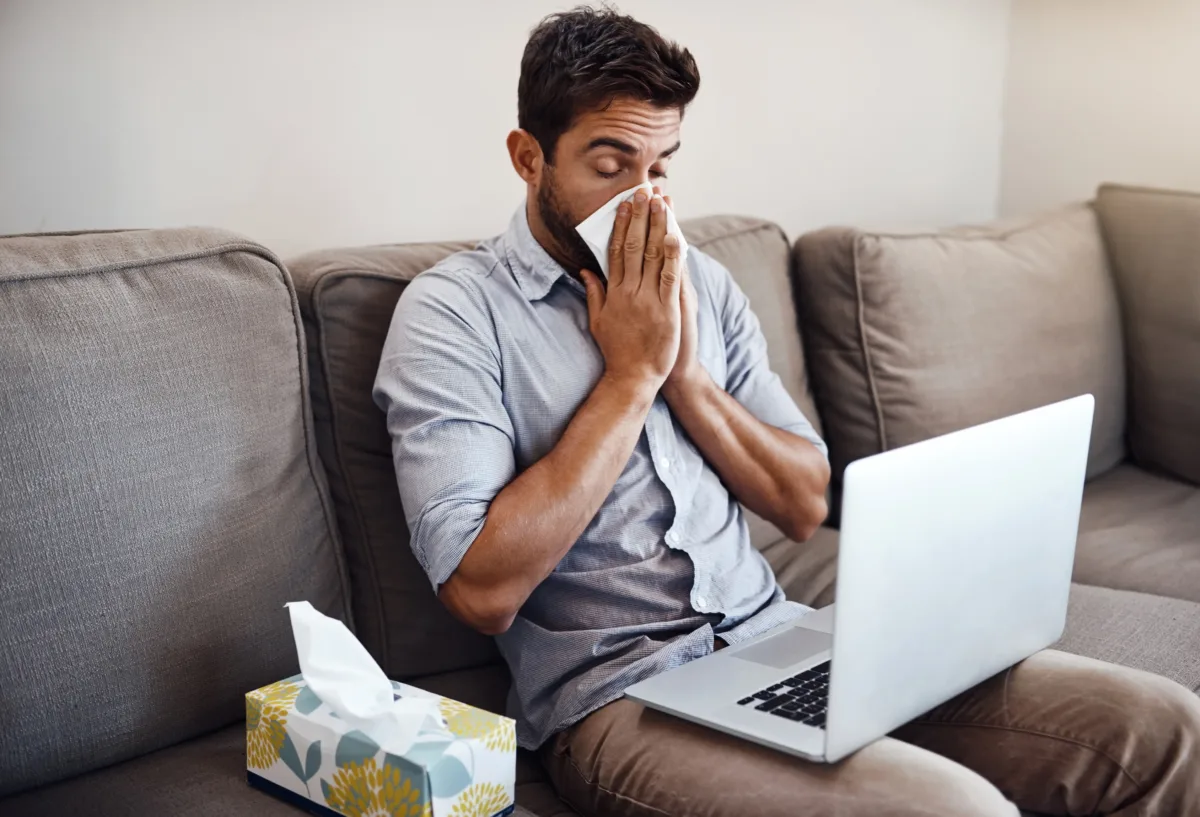
Seasonal allergies can make everyday life uncomfortable, especially for older adults. Frequent sneezing, a runny nose, itchy eyes and a blocked nose can affect sleep, appetite and daily activities. While these symptoms may seem minor, they can become more difficult to manage with age, particularly for people who already have asthma or other long-term health conditions.
At Shifa Al Khobar, we understand the importance of helping older adults stay comfortable and healthy throughout the year. Knowing what triggers seasonal allergies and how to manage the symptoms can make a real difference in their daily lives.
What Causes Seasonal Allergies in Older Adults?
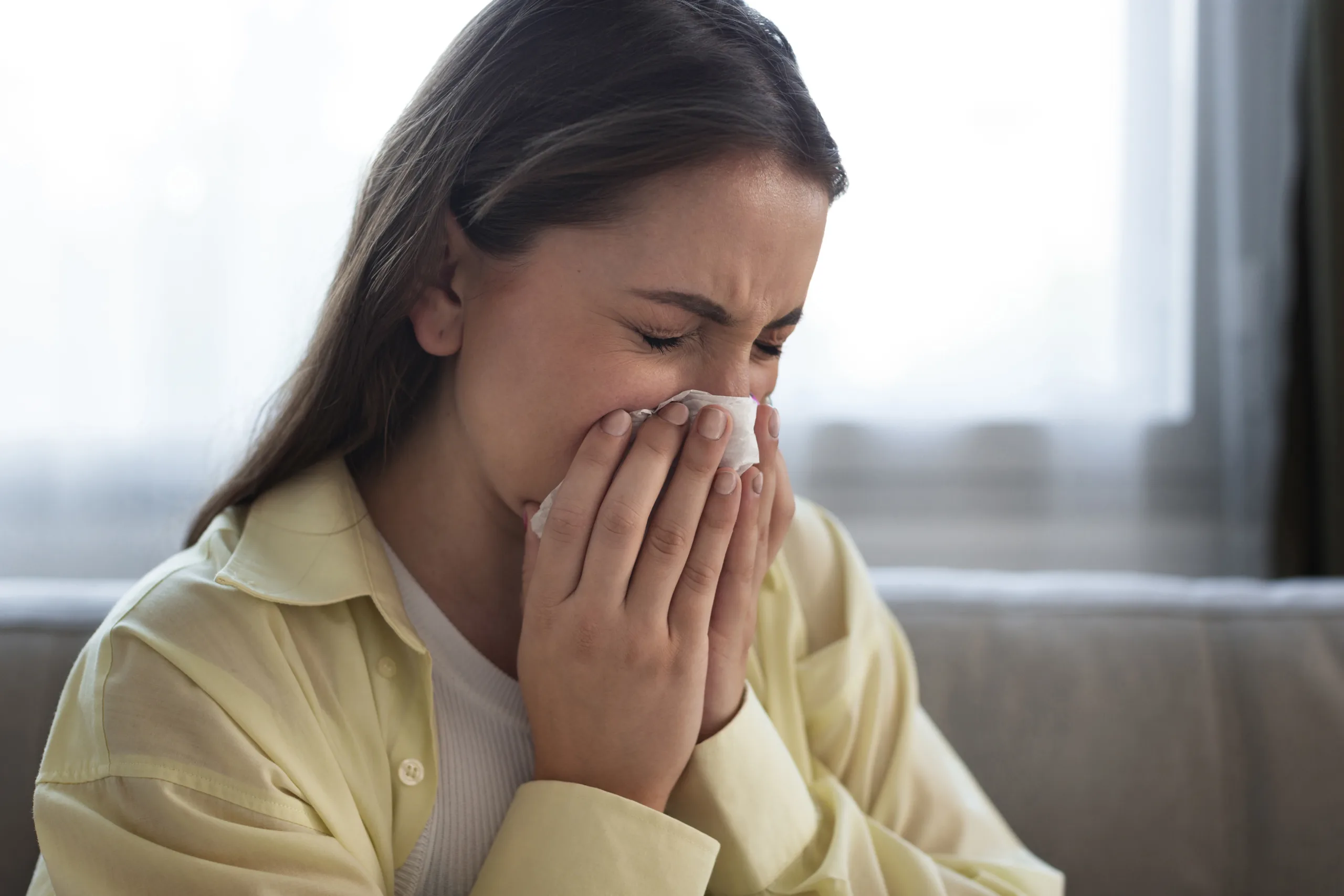 Seasonal allergies develop when the immune system reacts to substances such as pollen, dust or mould spores. These substances can trigger the release of histamine, which causes common allergy symptoms.
Older adults may experience allergies during periods when pollen levels are high or when weather conditions increase exposure to airborne particles. Spending time outdoors, opening windows or cleaning dusty rooms can also trigger symptoms.
Common signs of seasonal allergies include sneezing, watery eyes, an itchy throat, nasal congestion and a runny nose. Some people may also experience coughing or disturbed sleep. However, these symptoms can sometimes resemble a cold or respiratory infection, so it is important to understand the difference.
1. Reduce Exposure to Allergy Triggers
One of the simplest ways to manage seasonal allergies is to limit contact with substances that trigger symptoms. Older adults do not need to avoid going outside completely, but a few practical changes can help.
Check local pollen information before planning outdoor activities. When pollen levels are high, consider spending more time indoors. Keeping windows closed during high pollen periods and using air conditioning with clean filters may also help reduce exposure.
After returning home, changing clothes and washing the face can remove pollen that has settled on the skin and clothing. Wearing sunglasses outdoors may help protect the eyes from airborne irritants.
2. Keep Indoor Spaces Clean
 Dust, mould and pollen can collect inside the home and make allergy symptoms worse. Regular cleaning helps reduce these triggers and creates a more comfortable living environment.
Wash bedsheets and pillowcases regularly, wipe surfaces with a damp cloth and vacuum carpets when necessary. If possible, use a vacuum cleaner with a HEPA filter to capture small airborne particles.
Older adults should also keep bathrooms and other damp areas well ventilated to prevent mould growth. Family members can help with cleaning tasks that involve heavy lifting or exposure to dust.
3. Stay Hydrated and Maintain Healthy Habits
Drinking enough water throughout the day supports general health and may help keep mucus from becoming too thick. Warm drinks may also provide temporary comfort for an irritated throat.
Adequate sleep, balanced meals and regular physical activity support overall wellbeing. If outdoor exercise triggers allergy symptoms, older adults can consider walking indoors or choosing times when pollen levels are lower.
Saline nasal sprays may help rinse away allergens and relieve nasal dryness. When using a nasal rinse, always use distilled, sterile or previously boiled and cooled water.
4. Choose Allergy Medicines Carefully
 Some over the counter medicines can relieve sneezing, itching and a runny nose. However, older adults should be careful when choosing allergy treatments because certain medicines may cause unwanted side effects.
Older antihistamines, such as diphenhydramine, can cause drowsiness, confusion, constipation and difficulty passing urine. These effects may increase the risk of falls and other complications.
Decongestants may also be unsuitable for people with high blood pressure, heart conditions or certain other medical problems. Even some newer antihistamines can cause drowsiness in some individuals.
Before taking allergy medication, speak with a healthcare professional. At Shifa Al Khobar, our medical team can help patients understand their symptoms and discuss suitable treatment options based on their health conditions and existing medicines.
5. Know When to Seek Medical Advice
Seasonal allergies should not be ignored when symptoms become persistent or begin affecting daily activities. Older adults with asthma may notice increased coughing, wheezing or breathing difficulties during allergy season.
Consult a doctor if symptoms continue despite home care, interfere with sleep or are difficult to distinguish from an infection. Fever, significant body aches or worsening symptoms may indicate another illness that needs medical attention.
Seek emergency medical care if there is severe difficulty breathing, swelling of the tongue or throat, or fainting. These can be signs of a serious allergic reaction.
Conclusion

Managing seasonal allergies in older adults starts with recognising the triggers, keeping indoor spaces clean and choosing treatments carefully. Small changes in daily habits can help reduce discomfort and support better sleep and overall wellbeing. If you or an older family member is experiencing recurring allergy symptoms, contact Shifa Al Khobar to arrange a medical consultation. Our healthcare team can assess the symptoms, recommend appropriate care and help you manage seasonal allergies safely.