
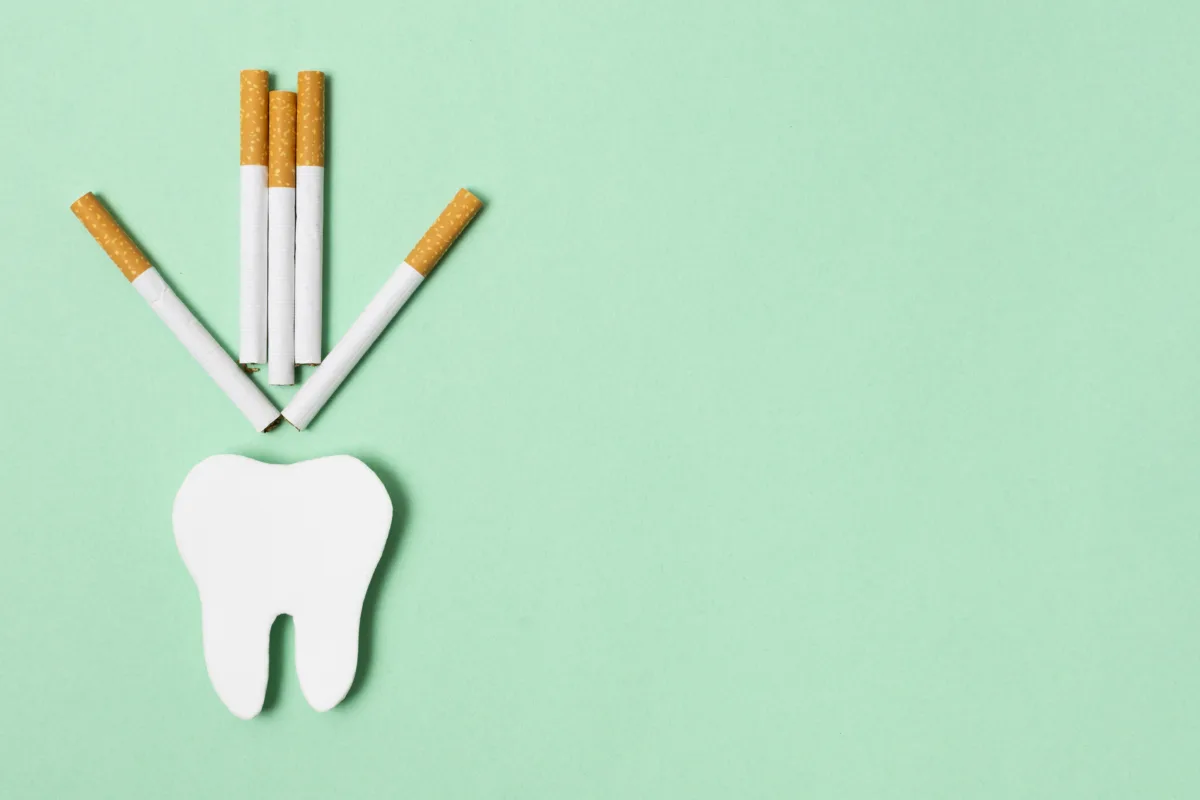
Smoking affects much more than the lungs and heart. One of the first places where the damage becomes visible is the mouth. Many people ignore the early signs of oral health problems caused by smoking until the condition becomes painful, expensive to treat, or even life threatening. At Shifa Al Khobar, we regularly meet patients who are unaware of how deeply smoking impacts their teeth, gums, tongue, and overall oral hygiene.
Your mouth is highly sensitive to tobacco smoke. Every cigarette exposes your oral tissues to harmful chemicals that slowly damage the gums, stain the teeth, reduce saliva flow, and weaken the body’s natural ability to fight infection. Over time, these changes can lead to serious dental complications that should never be ignored.
Persistent Bad Breath
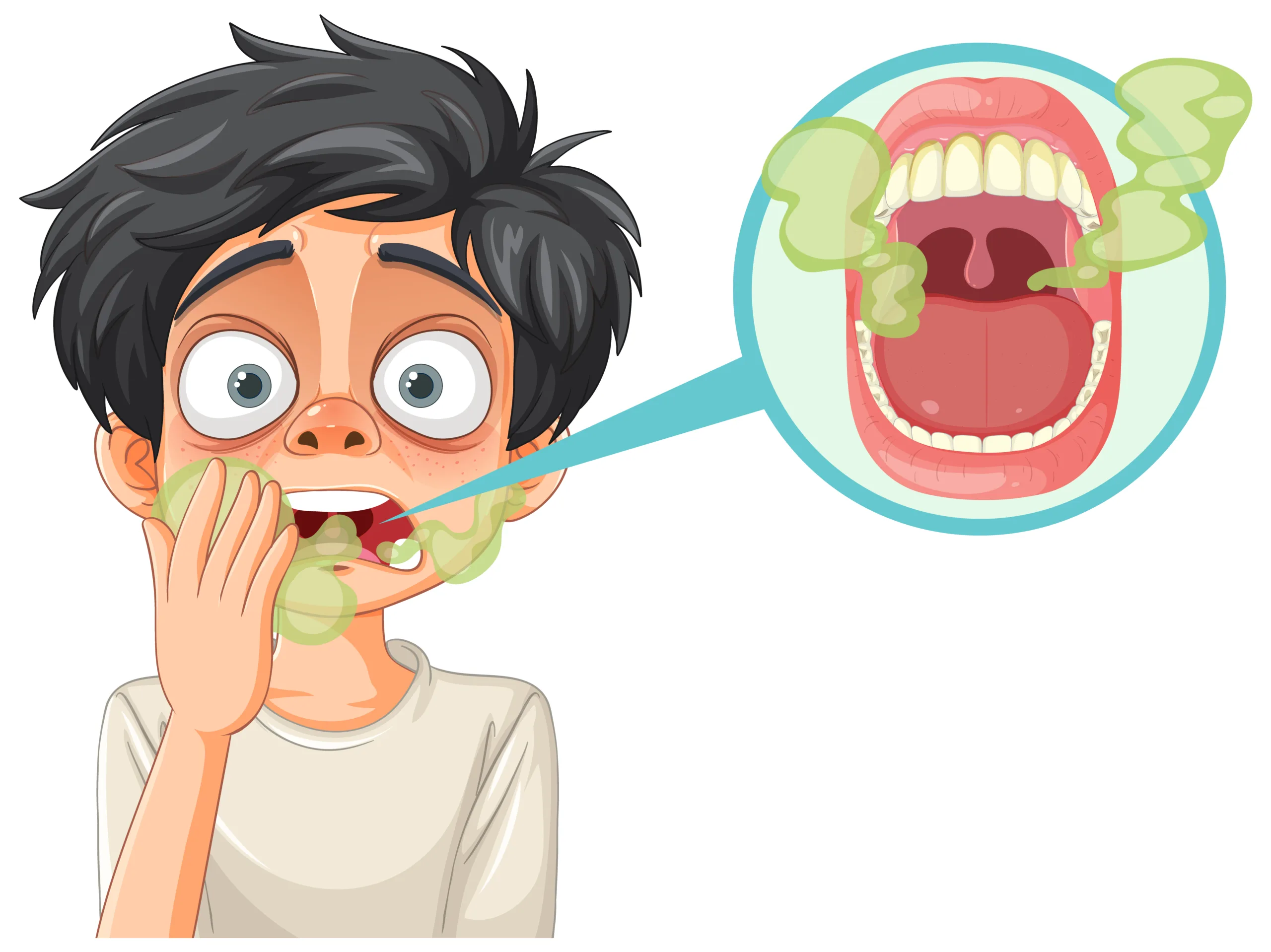
One of the earliest and most common oral health problems linked to smoking is chronic bad breath. Tobacco leaves behind strong odors in the mouth and dries out the oral tissues. When saliva production decreases, bacteria grow more easily, leading to unpleasant breath that brushing alone cannot fix.
Many smokers try mouth fresheners or chewing gum to hide the smell, but the root issue remains untreated. Persistent bad breath may also indicate gum disease or bacterial infection, both of which are common among smokers.
Yellow Teeth and Heavy Stains
Smoking is one of the leading causes of tooth discoloration. Nicotine and tar settle on the enamel and create stubborn yellow or brown stains that become harder to remove over time. Regular brushing often cannot fully clean these stains because they penetrate deep into the tooth surface.
Apart from affecting appearance, stained teeth can also impact self confidence. Many smokers avoid smiling openly because they feel embarrassed about how their teeth look. Professional dental cleaning and whitening treatments may help, but continuing to smoke can quickly reverse the results.
Gum Disease That Develops Quietly

Gum disease is one of the most dangerous oral health issues caused by smoking because it often develops without obvious pain in the beginning. Smoking weakens blood circulation in the gums, making it harder for the body to fight infection and heal damaged tissues.
Common warning signs include swollen gums, bleeding while brushing, gum recession, and loose teeth. Unfortunately, smokers may notice less bleeding due to restricted blood flow, which can create a false sense of safety while the disease continues to worsen underneath.
If left untreated, gum disease can lead to tooth loss and serious bone damage. At Shifa Al Khobar, we encourage patients to seek dental care as soon as they notice any changes in their gums.
Delayed Healing After Dental Procedures
Smoking slows down the body’s healing process. This becomes especially problematic after tooth extractions, dental implants, gum treatments, or oral surgeries. The chemicals in tobacco reduce oxygen supply to the tissues, increasing the risk of infection and delayed recovery.
Patients who smoke heavily often experience more pain and complications after dental procedures compared to non smokers. In some cases, smoking can even affect the success rate of dental implants because the jawbone may not heal properly around the implant.
Increased Risk of Oral Cancer
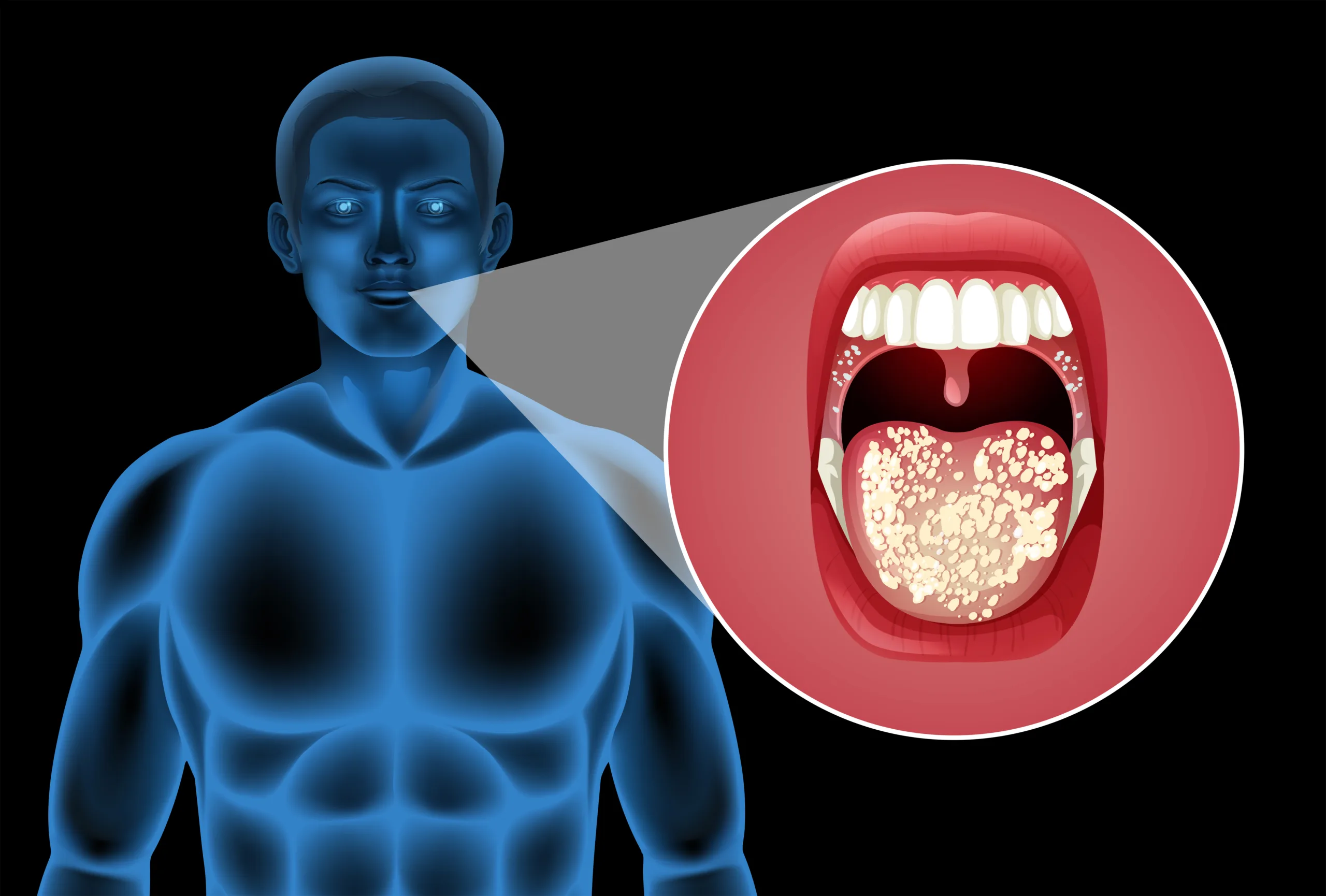
One of the most serious consequences of smoking is oral cancer. Tobacco use significantly increases the risk of cancer affecting the lips, tongue, cheeks, throat, and gums. Early symptoms are often painless, which is why many people ignore them until the disease has advanced.
Warning signs may include persistent mouth ulcers, white or red patches inside the mouth, difficulty swallowing, numbness, or lumps in the oral tissues. Regular dental checkups play a major role in identifying suspicious changes early.
At Shifa Al Khobar, we believe prevention and early diagnosis can save lives. Routine oral screenings are especially important for smokers and former smokers.
Tooth Loss and Weak Jawbone
Long term smoking weakens the structures that support the teeth. As gum disease progresses and bone density decreases, teeth may become loose or fall out completely. Missing teeth not only affect appearance but also make eating and speaking more difficult.
Many smokers are surprised to learn that smoking also affects jawbone health. Weak bones can complicate restorative procedures like implants and dentures. Protecting your oral health early can help preserve your natural teeth for years to come.
Dry Mouth and Increased Cavities

Smoking reduces saliva production, leading to dry mouth. Saliva is essential for washing away bacteria and neutralizing acids inside the mouth. Without enough saliva, the risk of cavities and infections increases significantly.
People with dry mouth may also experience difficulty swallowing, cracked lips, and an uncomfortable burning sensation. Staying hydrated helps to some extent, but quitting smoking remains the most effective solution.
Why Regular Dental Checkups Matter
Many smoking related oral health problems develop slowly and silently. By the time pain appears, the damage may already be severe. Regular dental visits allow early detection of gum disease, tooth decay, oral infections, and abnormal tissue changes.
At Shifa Al Khobar, our dental team focuses on preventive care and patient education. We help patients understand the impact of smoking on oral health while providing treatments that support healthier teeth and gums. Whether you need a routine cleaning, gum treatment, or oral screening, timely care can make a major difference.
If you are experiencing bleeding gums, tooth sensitivity, persistent bad breath, mouth sores, or stained teeth, do not ignore the warning signs. Contact Shifa Al Khobar today to schedule a dental consultation and protect your oral health before the problem becomes more serious.