

Saudi Arabia has always been known for its hot climate, but in recent years, the intensity and duration of heat have noticeably increased. At Shifa Al Khobar, we are seeing firsthand how these rising temperatures are affecting daily life and, more importantly, people’s health. What used to feel like a predictable summer pattern is now turning into a longer and more demanding season that requires extra care and awareness.
Let’s break down what this really means for you and how you can stay safe.
Understanding the Impact of Rising Heat

Higher temperatures are not just about discomfort. They place real stress on the human body. When the body is exposed to extreme heat, it struggles to regulate its internal temperature. Sweating increases, dehydration sets in faster, and vital organs begin to work harder to maintain balance.
In Saudi Arabia, especially during peak summer months, temperatures can cross levels that are considered dangerous for prolonged outdoor exposure. This shift is not just seasonal anymore. It is becoming a long term concern.
Common Heat Related Health Risks
With rising temperatures, certain health conditions are becoming more common. At Shifa Al Khobar, we frequently treat patients dealing with the following issues.
Heat Exhaustion
This occurs when the body loses too much water and salt through sweating. Symptoms include weakness, dizziness, nausea, and excessive sweating. If ignored, it can escalate quickly.
Heat Stroke

This is a medical emergency. The body loses its ability to cool down, and the temperature rises rapidly. Symptoms include confusion, dry skin, rapid heartbeat, and even loss of consciousness.
Dehydration

It may sound simple, but dehydration can lead to serious complications. Headaches, fatigue, low blood pressure, and kidney issues are all linked to insufficient fluid intake.
Skin Problems

Prolonged exposure to the sun can cause sunburn, rashes, and long term skin damage. Sensitive skin types are especially at risk.
Who Is Most at Risk
While everyone is affected by extreme heat, some groups need to be extra cautious.
Children often do not recognize early signs of dehydration. Elderly individuals may have a reduced ability to regulate body temperature. People with chronic illnesses such as diabetes or heart conditions face higher risks. Outdoor workers are particularly vulnerable due to constant exposure.
If you fall into any of these categories, taking preventive steps is not optional. It is essential.
Everyday Habits That Can Protect You
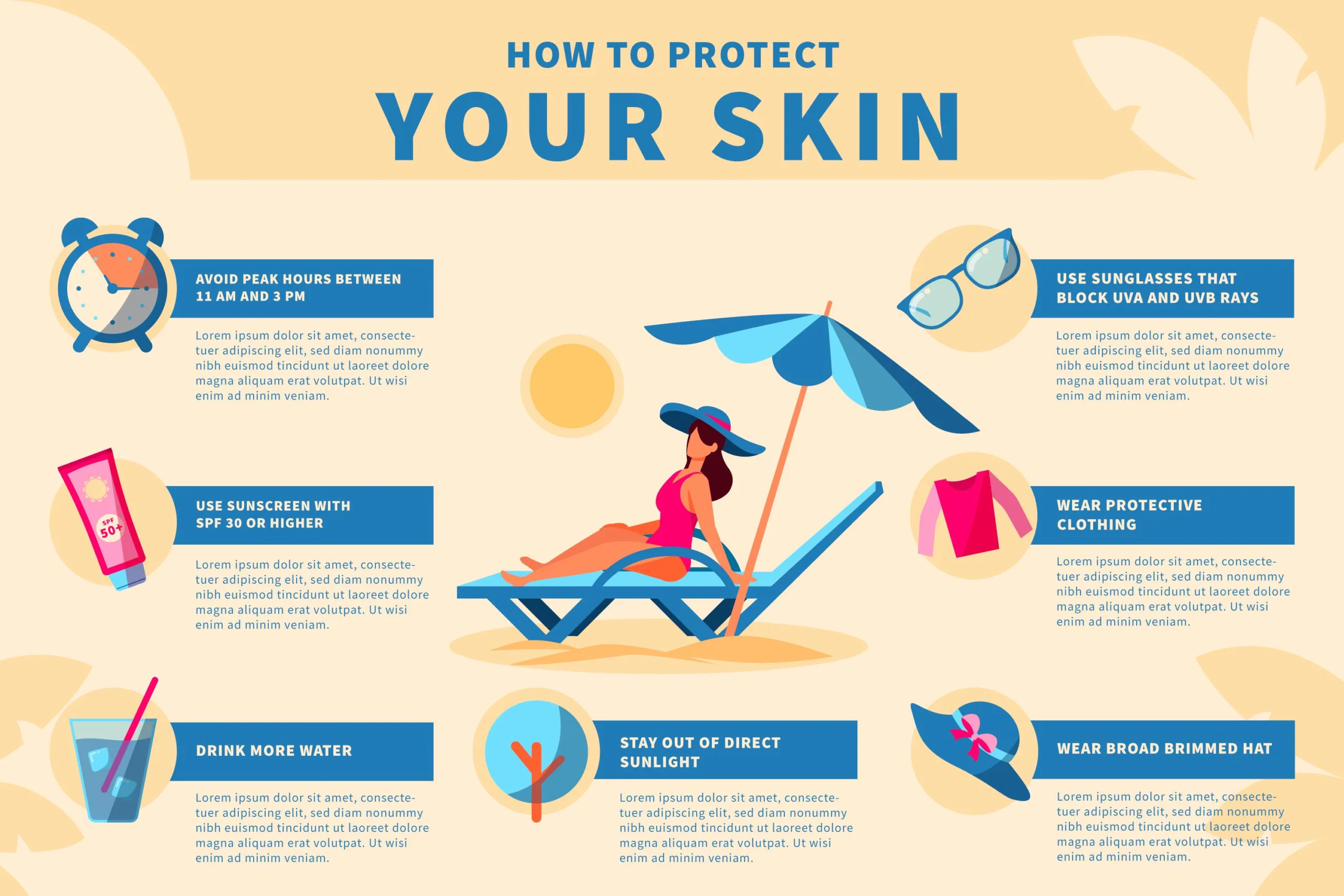
Here’s the thing. Staying safe in extreme heat does not always require complex measures. Small daily habits can make a significant difference.
Start with hydration. Drink water regularly, even if you do not feel thirsty. Avoid excessive caffeine and sugary drinks as they can worsen dehydration.
Clothing also plays a role. Choose lightweight, loose fitting clothes in light colors. These help your body stay cool.
Try to limit outdoor activities during peak heat hours, usually between late morning and mid afternoon. If you must go out, use protective measures like hats, sunglasses, and sunscreen.
At home, ensure proper ventilation and cooling. Air conditioning is helpful, but even simple steps like using fans and keeping curtains closed during peak sunlight hours can reduce indoor heat.
The Hidden Effects of Long Term Heat Exposure
What many people overlook is the cumulative impact of heat. Continuous exposure over weeks and months can affect your overall health.
Sleep disturbances are common during hot nights. Poor sleep affects mood, focus, and productivity. Appetite changes are also seen, with people often eating less or skipping meals.
Mental health can take a hit too. Prolonged discomfort and fatigue can lead to irritability and stress.
At Shifa Al Khobar, we encourage patients to look beyond immediate symptoms and consider how ongoing heat exposure might be influencing their overall well being.
When Should You Seek Medical Help
Not every heat related symptom requires a hospital visit, but some signs should never be ignored.
If you experience persistent dizziness, confusion, fainting, or a rapid pulse, it is time to seek medical attention immediately. Severe headaches, vomiting, and a lack of sweating despite high temperatures are also warning signs.
Early intervention can prevent serious complications. Delaying care can make the condition worse.
Our Approach at Shifa Al Khobar

At Shifa Al Khobar, our focus is on prevention as much as treatment. We believe awareness is the first step toward protection.
Our team is equipped to handle a wide range of heat related conditions, from mild dehydration to severe heat stroke. We also provide guidance on lifestyle adjustments that can help you and your family stay safe during extreme weather.
We understand the local climate and its challenges. This allows us to offer care that is practical, relevant, and tailored to your needs.
Stay Safe and Stay Prepared
Rising temperatures are not something we can ignore or wait out. They are part of our reality now. The good news is that with the right knowledge and habits, you can reduce risks significantly.
Listen to your body. Stay hydrated. Avoid unnecessary exposure. And most importantly, do not hesitate to seek help when needed.
If you or your loved ones are experiencing any heat related symptoms, our team at Shifa Al Khobar is here to support you. Reach out to us for expert care, guidance, and timely treatment. Your health and safety are always our priority.