
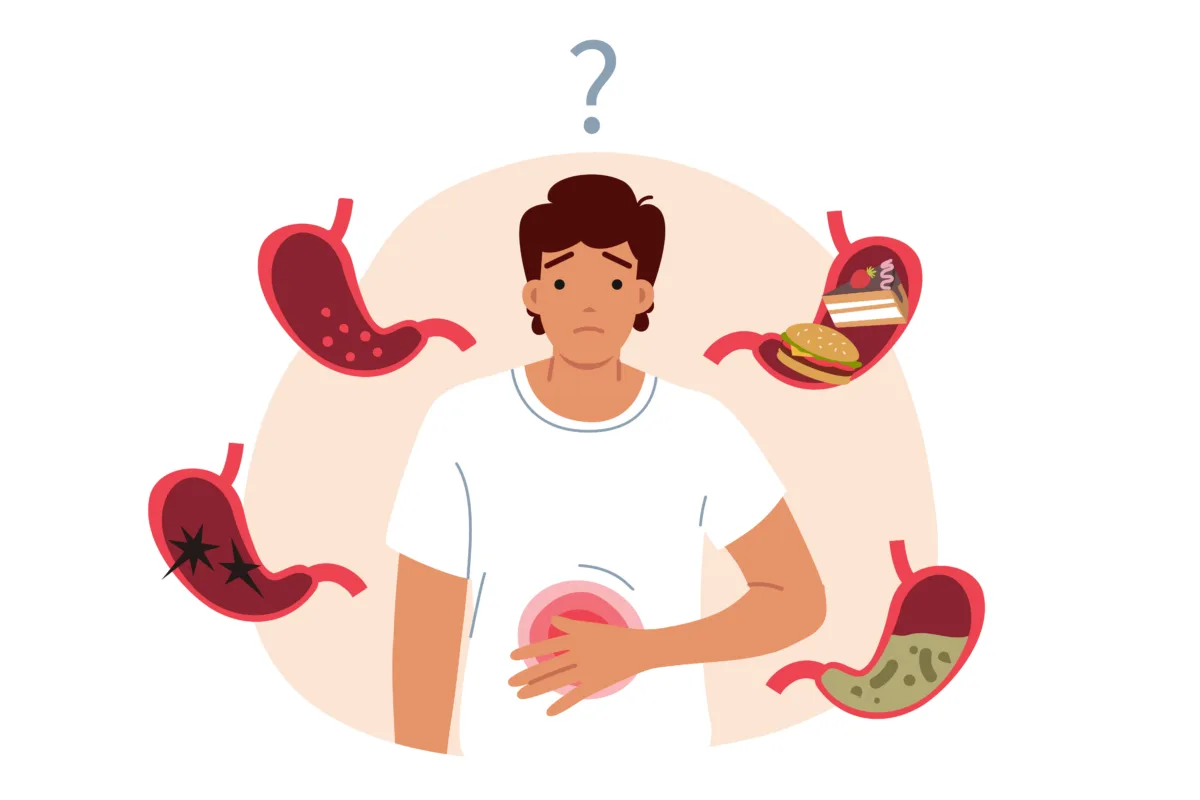
Gastric problems are something most people deal with at some point, yet they are often ignored until they begin to interfere with daily life. From bloating after meals to persistent acidity or discomfort, these issues can quietly affect your energy, mood, and overall health. At Shifa Al Khobar, we regularly meet patients who assume gastric discomfort is just a normal part of life. The truth is, it does not have to be.
Understanding the Root Causes of Gastric Issues

To manage gastric problems effectively, it is important to understand what triggers them. Common concerns such as acidity, indigestion, gas, and heartburn are often linked to everyday habits. Eating too quickly, consuming heavy or spicy foods, irregular meal timings, and high stress levels can disrupt digestion. Over time, these patterns can lead to chronic discomfort and more serious conditions if not addressed.
Why Eating Habits Matter More Than You Think
Many people focus only on food choices but overlook how they eat. Eating in a rush, not chewing food properly, or being distracted during meals can strain digestion. When food is not broken down well, the stomach works harder, often leading to bloating or acidity. Eating slowly and mindfully allows the digestive system to function more efficiently and reduces discomfort.
The Role of Diet in Digestive Health

Diet plays a major role in maintaining a healthy gut. Oily foods, processed snacks, caffeine, and carbonated drinks are known triggers for gastric issues. While it is not necessary to eliminate everything you enjoy, moderation is key. A balanced diet that includes fiber rich foods, fresh fruits, vegetables, and enough water supports smoother digestion. Simple adjustments like avoiding heavy late night meals can make a big difference.
How Stress Affects Your Stomach
The connection between the mind and the digestive system is stronger than most people realize. Stress and anxiety can directly impact digestion, often leading to acidity or stomach discomfort. Many patients notice symptoms worsening during stressful periods. Managing stress through regular exercise, proper sleep, and relaxation techniques can help improve overall digestive health.
Hydration and Its Impact on Digestion

Drinking enough water is essential for proper digestion. It helps break down food and prevents constipation, which is often linked to gastric discomfort. However, timing matters. Drinking excessive water immediately after meals can dilute digestive enzymes. It is better to stay hydrated throughout the day and drink small amounts during meals if needed.
Do Not Ignore Early Warning Signs
Occasional bloating or acidity may seem harmless, but frequent symptoms can indicate underlying issues such as gastritis, food intolerance, or reflux problems. Ignoring these signs often leads to complications later. At Shifa Al Khobar, we advise patients to seek medical guidance if symptoms persist instead of relying only on temporary relief.
Personalized Treatment for Long Term Relief
Effective treatment begins with identifying the root cause. Each patient is different, and so are their triggers. At Shifa Al Khobar, our approach focuses on personalized care that may include dietary guidance, lifestyle changes, and medical treatment when necessary. The goal is not just to reduce symptoms but to improve long term digestive health.
Simple Daily Habits to Prevent Gastric Issues
Prevention starts with small but consistent habits. Maintaining regular meal times helps regulate digestion. Avoiding overeating and giving your body time to digest before lying down can reduce acidity. Including probiotics like yogurt in your diet supports gut health. Even simple changes, when followed regularly, can bring noticeable improvements.
When Should You See a Doctor

It is important to recognize when professional help is needed. Symptoms such as persistent stomach pain, unexplained weight loss, frequent vomiting, or difficulty swallowing should never be ignored. These could be signs of more serious conditions that require timely evaluation.
Your Partner in Digestive Health
At Shifa Al Khobar, we are committed to helping you achieve better digestive health through expert care and personalized treatment. If you are dealing with frequent gastric issues or want to take preventive steps, our team is here to support you. Contact us today to schedule a consultation and take control of your digestive well being.