

Diabetes is one of the most common health conditions affecting people across the world today. While many people know that diabetes affects blood sugar levels, fewer understand how it can weaken the body’s natural defense system. At Shifa Al Khobar, we often meet patients who experience frequent infections without realizing that uncontrolled diabetes may be the reason behind it.
Your immune system plays a major role in protecting your body from bacteria, viruses, and other harmful organisms. When blood sugar levels remain high for a long period, the immune system struggles to function properly. This increases the risk of infections and slows down the healing process.
Understanding this connection is important because early care and proper diabetes management can protect your overall health and help you avoid serious complications.
How Diabetes Affects the Immune System

The immune system depends on healthy blood circulation and balanced body functions to fight infections effectively. High blood sugar can interfere with these natural processes in several ways.
When glucose levels rise too much, white blood cells become less effective. These cells are responsible for attacking harmful germs that enter the body. If they cannot work properly, the body becomes more vulnerable to infections.
High blood sugar can also reduce blood flow. Poor circulation means oxygen and nutrients do not reach tissues efficiently. This makes it harder for wounds to heal and gives infections more time to spread.
Another issue is inflammation. Diabetes often causes chronic inflammation inside the body, which can weaken immune responses over time. As a result, even small infections can become more serious if not treated quickly.
Common Infections Seen in People With Diabetes
People with diabetes are more likely to experience certain types of infections. Some may appear mild at first but can become severe if blood sugar remains uncontrolled.
Skin Infections
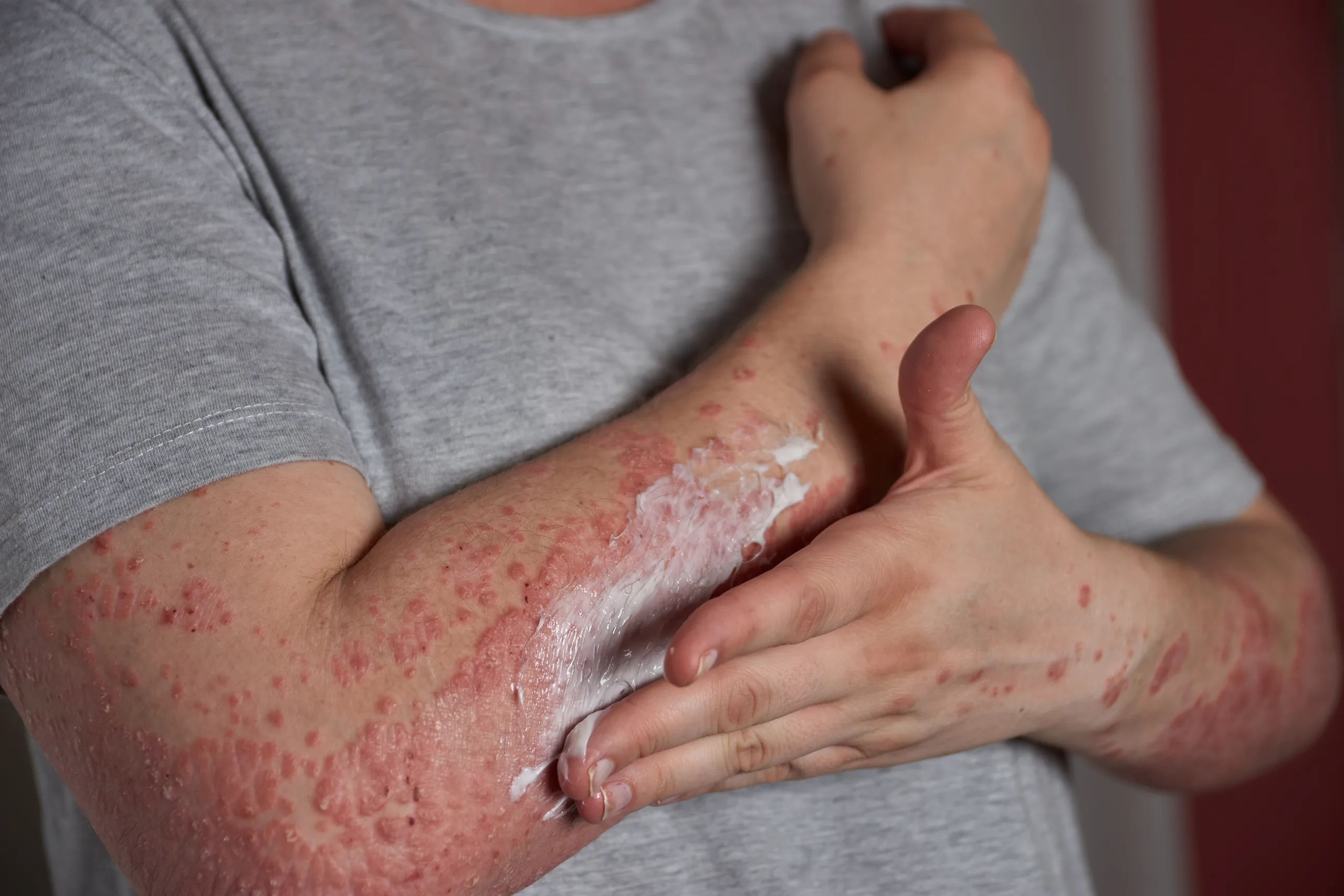
High glucose levels create an environment where bacteria and fungi can grow easily. This can lead to itching, redness, boils, or fungal infections in warm areas of the body.
Cuts and wounds may also take longer to heal. Even a small injury can become infected if proper care is not taken.
Urinary Tract Infections
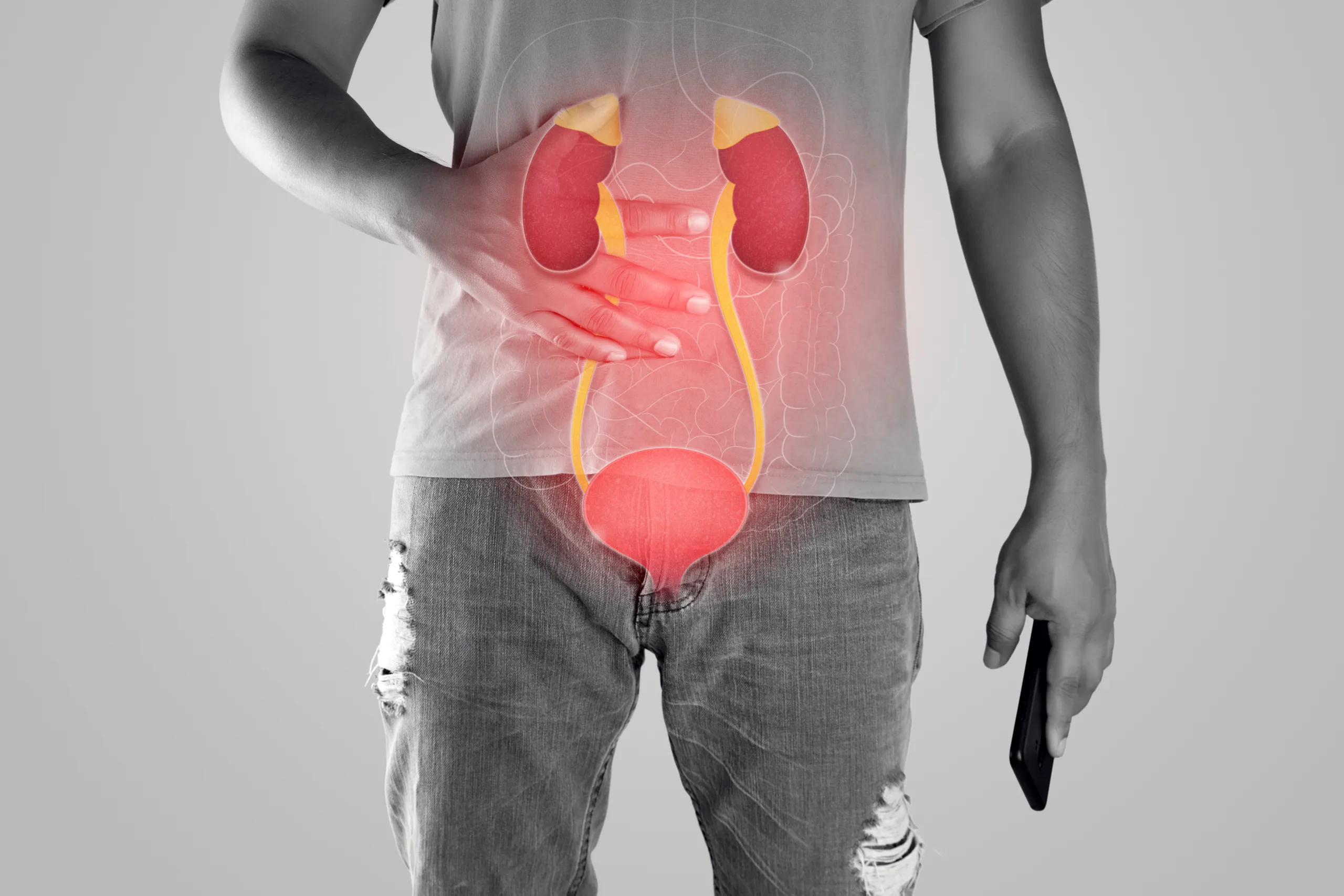
Urinary tract infections are more common among people with diabetes, especially women. Excess sugar in urine encourages bacterial growth, increasing the chances of infection.
Symptoms may include burning during urination, fever, lower abdominal pain, or frequent urges to urinate.
Respiratory Infections

People with diabetes may have a higher risk of respiratory infections such as flu, bronchitis, and pneumonia. Poor immune function makes it harder for the body to recover quickly from these illnesses.
This is one reason why regular vaccinations and early treatment are important for diabetic patients.
Gum and Oral Infections

Diabetes can affect oral health significantly. High blood sugar may increase the risk of gum disease, mouth infections, and dry mouth. Swollen gums, bleeding while brushing, or persistent bad breath should never be ignored.
At Shifa Al Khobar, we encourage diabetic patients to maintain regular dental checkups as part of their overall healthcare routine.
Why Healing Takes Longer in Diabetes
Many diabetic patients notice that cuts, wounds, or infections take longer to heal. This happens because high blood sugar damages blood vessels and reduces circulation.
When the body cannot deliver enough oxygen and nutrients to affected areas, tissue repair slows down. Nerve damage caused by diabetes can also make it difficult to notice injuries early, especially in the feet.
This is why foot care is extremely important for diabetic individuals. Ignoring a small wound may eventually lead to serious complications.
Signs You Should Never Ignore

Certain symptoms may indicate that diabetes is affecting your immune system and increasing infection risk. These signs should not be overlooked:
- Frequent infections
- Slow healing wounds
- Persistent fatigue
- Fever that keeps returning
- Swelling or redness around cuts
- Recurring fungal infections
- Gum bleeding or oral pain
Seeking medical attention early can prevent complications and help maintain better health.
How to Strengthen Immunity With Diabetes

The good news is that proper diabetes management can greatly reduce infection risks. A healthy lifestyle combined with regular medical care can help your immune system work more effectively.
Keep Blood Sugar Under Control
Managing blood glucose levels is the most important step. Regular monitoring, medications, and following your doctor’s advice can make a significant difference.
Eat a Balanced Diet
Nutritious meals support both diabetes management and immune health. Fresh vegetables, fruits, lean proteins, and whole grains provide essential nutrients that help the body fight infections.
Stay Physically Active
Exercise improves blood circulation and helps regulate blood sugar. Even moderate daily activity can strengthen overall health.
Drink Enough Water
Proper hydration supports kidney function and helps flush harmful bacteria from the body.
Prioritize Hygiene
Simple habits like washing hands regularly, cleaning wounds properly, and maintaining oral hygiene can lower infection risk.
Attend Regular Checkups
Routine medical examinations help identify problems before they become serious. At Shifa Al Khobar, our healthcare professionals provide personalized support for diabetes management and infection prevention.
Protect Your Health With Early Care
Living with diabetes requires attention and consistent care, but it does not mean infections are unavoidable. Understanding how blood sugar affects immunity can help you take preventive steps and stay healthier in the long run.
At Shifa Al Khobar, we are committed to helping patients manage diabetes safely and effectively. If you are experiencing frequent infections, slow healing wounds, or difficulty controlling blood sugar levels, our experienced medical team is here to help. Contact us today to schedule a consultation and take control of your health with expert medical guidance.