
Children and teenagers go through rapid physical and mental growth. Their bodies need the right balance of nutrients to stay healthy, active, and focused every day. While proteins, vitamins, and minerals often receive the most attention, fibre is one nutrient that is frequently overlooked. At Shifa Al Khobar, we believe that a fibre rich diet plays a major role in supporting healthy digestion, strong immunity, balanced energy levels, and long term wellness for children and growing teenagers.
Many parents focus mainly on getting enough calories into their child’s diet, but the quality of those calories matters just as much. Foods rich in fibre help children feel fuller for longer, support healthy digestion, and encourage better eating habits from an early age.
What Is Dietary Fibre?
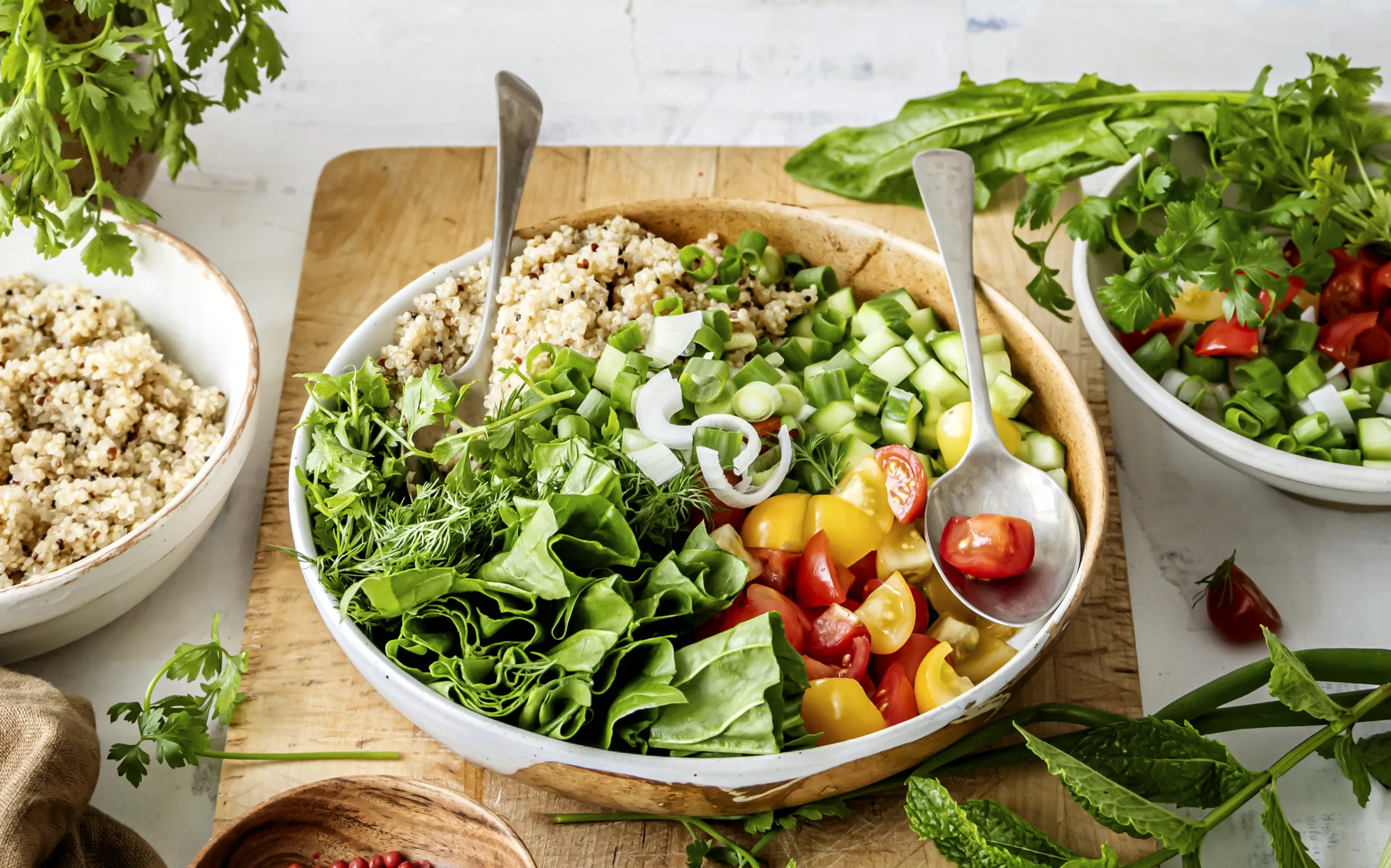
Dietary fibre is a type of carbohydrate found mainly in plant based foods. Unlike other carbohydrates, fibre is not fully digested by the body. Instead, it moves through the digestive system and helps maintain healthy bowel movements and gut health.
There are two main types of fibre. Soluble fibre dissolves in water and helps manage blood sugar and cholesterol levels. Insoluble fibre adds bulk to stool and supports smooth digestion. Both are important for children and teenagers.
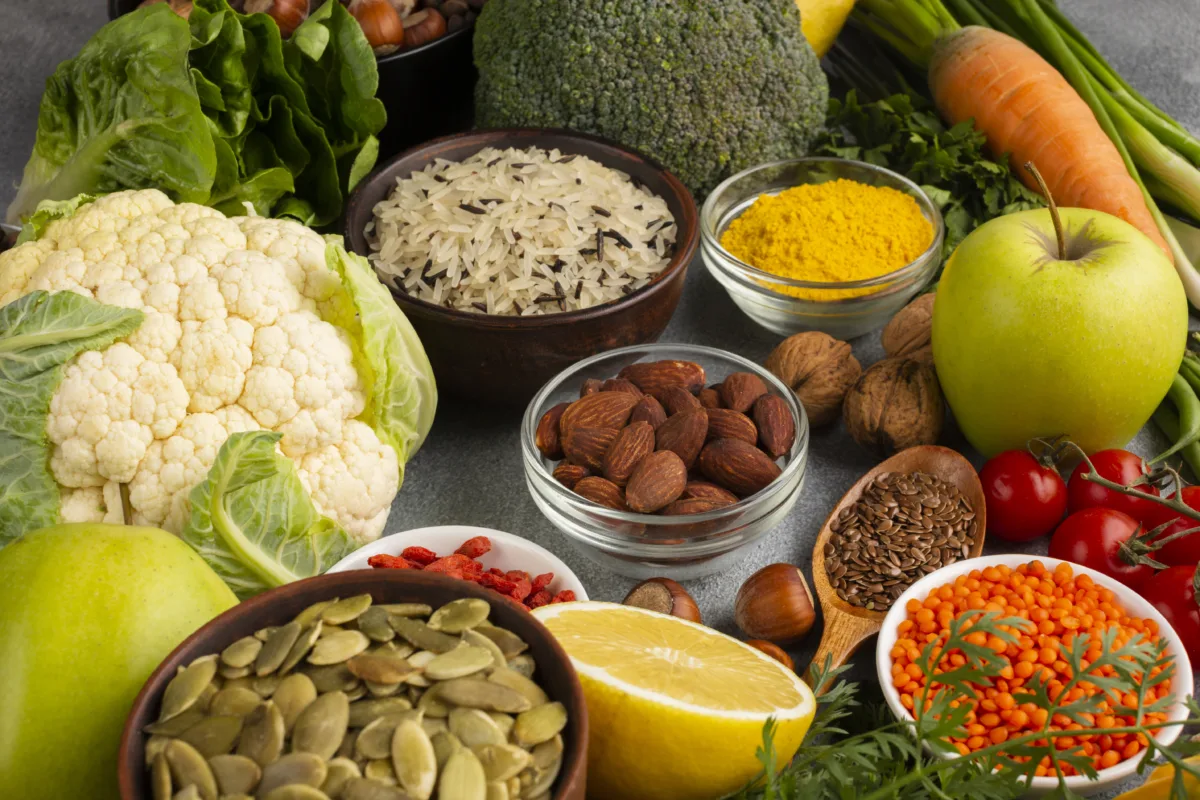
Foods naturally rich in fibre include fruits, vegetables, whole grains, nuts, seeds, beans, and lentils.
Why Fibre Matters for Children and Teenagers
Growing children often consume processed snacks, sugary drinks, and fast foods that are low in fibre. Over time, this can lead to digestive problems, unhealthy weight gain, and poor eating habits. A fibre rich diet helps prevent these issues and supports overall development.
Supports Healthy Digestion

One of the biggest benefits of fibre is improved digestion. Constipation is a common issue among children and teenagers, especially when their diet lacks fruits, vegetables, and whole grains. Fibre helps food move smoothly through the digestive tract and reduces the risk of constipation and stomach discomfort.
A healthy digestive system also improves nutrient absorption, helping growing bodies make better use of the vitamins and minerals they consume.
Helps Maintain a Healthy Weight
Fibre rich foods help children feel satisfied after meals. This reduces unnecessary snacking and overeating. Foods high in fibre usually take longer to chew and digest, which naturally controls hunger levels.
With childhood obesity becoming more common worldwide, healthy eating habits are more important than ever. Including fibre rich meals can support healthy weight management without making children feel restricted.
Improves Gut Health
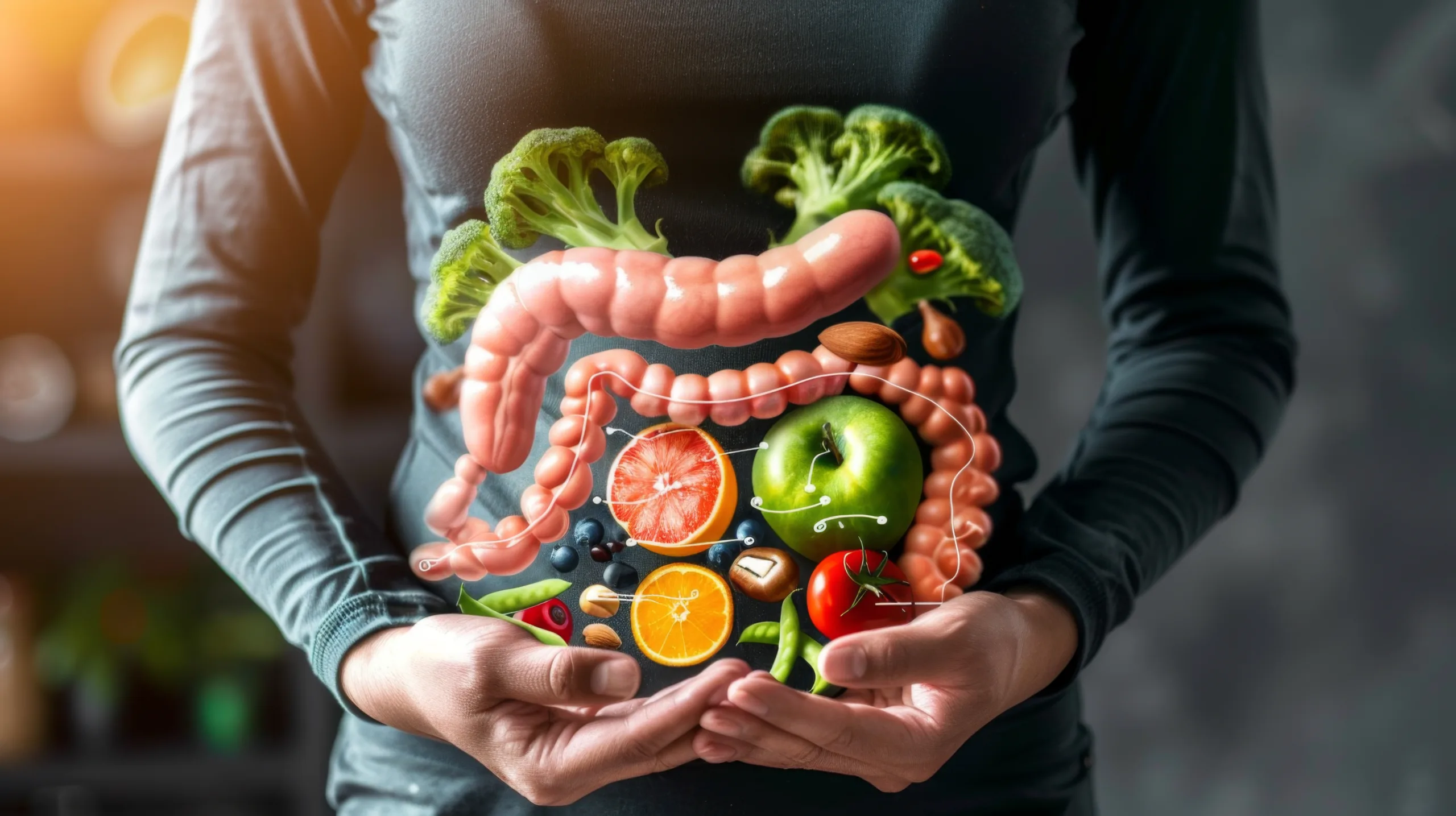
The gut contains billions of beneficial bacteria that play an important role in digestion and immunity. Fibre acts as food for these healthy bacteria and supports a balanced gut environment.
A healthy gut can improve digestion, reduce inflammation, and even support better mood and mental wellbeing. Research continues to show strong connections between gut health and overall health in children and teenagers.
Supports Steady Energy Levels
Children and teenagers need stable energy throughout the day for school, sports, and daily activities. Highly processed foods can cause quick spikes and drops in blood sugar, leading to tiredness and poor concentration.
Fibre slows down the absorption of sugar into the bloodstream, helping maintain more stable energy levels. This allows children to stay active and focused for longer periods.
Encourages Healthy Eating Habits

Introducing fibre rich foods early in life helps children develop better food choices as they grow older. Children who regularly eat fruits, vegetables, and whole grains are more likely to continue those habits into adulthood.
Healthy habits formed during childhood often reduce the risk of future health issues such as diabetes, heart disease, and digestive disorders.
Best Fibre Rich Foods for Young People
Parents often wonder how to increase fibre intake without making meals boring or difficult. The good news is that many everyday foods are naturally high in fibre and easy to include in meals and snacks.
Some excellent fibre rich foods include:
- Apples and pears with the skin
- Bananas and berries
- Carrots and cucumbers
- Broccoli and spinach
- Oats and whole grain cereals
- Brown rice and whole wheat bread
- Lentils and chickpeas
- Almonds and walnuts
- Sweet potatoes
- Popcorn without excess butter or salt
Simple changes such as replacing white bread with whole grain bread or adding fruit to breakfast can make a big difference.
Tips for Parents to Increase Fibre Intake

Children may not always welcome dietary changes immediately. Gradual adjustments are often more successful than sudden changes.
Here are a few practical tips:
- Add vegetables to pasta, sandwiches, and rice dishes
- Serve fruit as snacks instead of packaged sweets
- Encourage drinking enough water alongside fibre intake
- Include whole grains in breakfast meals
- Make smoothies with fruits, oats, and seeds
- Involve children in meal preparation
When children participate in choosing and preparing healthy foods, they are often more willing to eat them.
The Importance of Balance
While fibre is essential, balance is equally important. Excessive fibre without enough fluids can sometimes cause bloating or discomfort. Parents should ensure children stay hydrated throughout the day.
Every child has different nutritional needs depending on age, activity level, and health conditions. Consulting healthcare professionals can help parents create the right dietary plan for their children.
At Shifa Al Khobar, our healthcare team supports families with expert nutritional guidance for children and teenagers. We believe that healthy eating habits established early can create a strong foundation for lifelong wellness. If you are concerned about your child’s diet, digestion, or overall health, contact us today to speak with our experienced medical professionals.