

Hot weather and excessive sweating can do more than make you uncomfortable. They can also lead to painful and irritating skin rashes that affect both children and adults. In a region where temperatures often stay high for long hours, heat related skin problems are common, especially during summer months and humid days. At Shifa Al Khobar, we regularly help patients manage and prevent skin conditions caused by heat and sweat.
Heat rashes may look harmless at first, but if ignored, they can become itchy, inflamed, and even infected. The good news is that most sweat related skin rashes can be prevented with simple daily habits and proper skin care.
Why Sweat and Heat Cause Skin Rashes
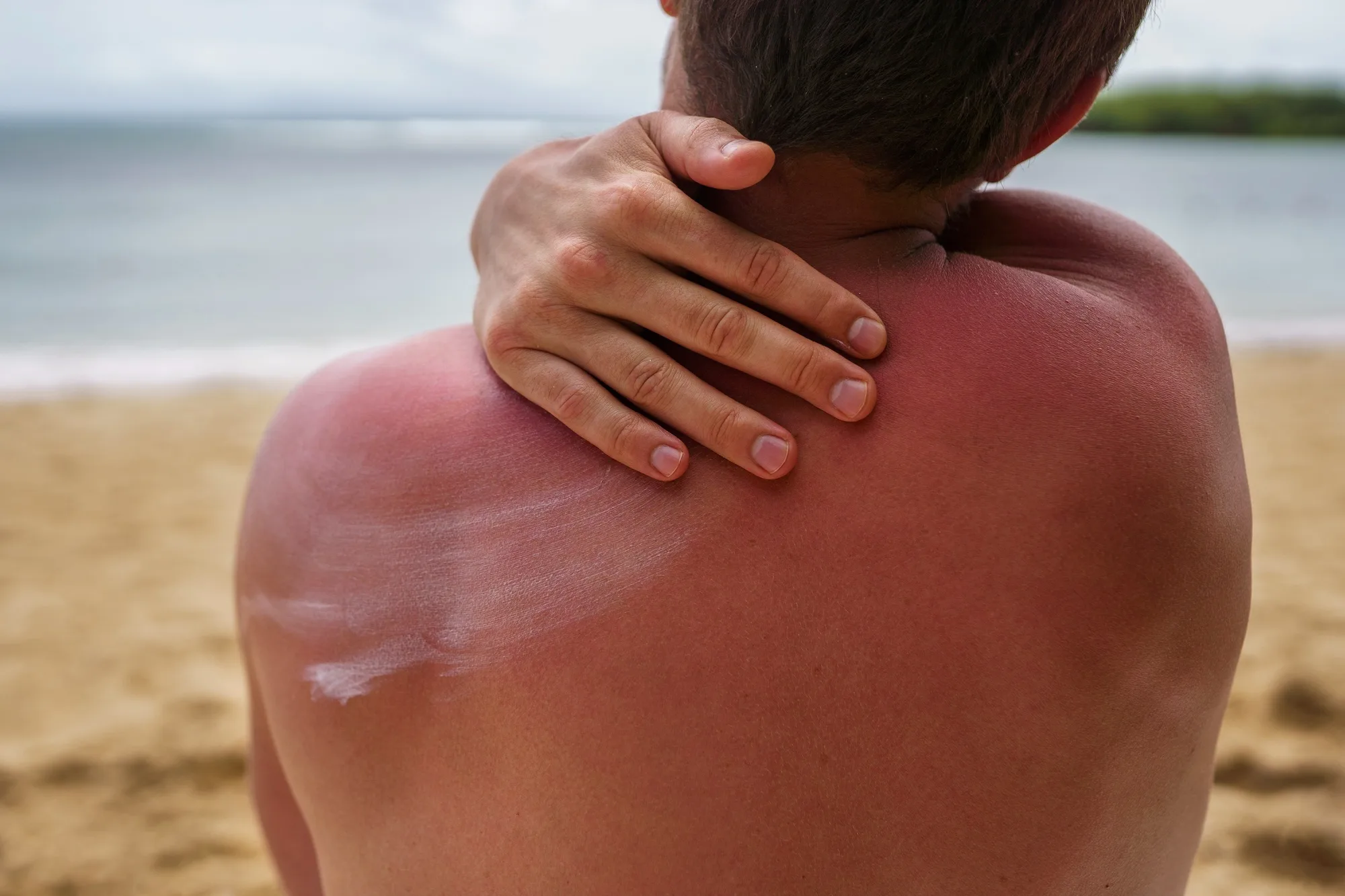
Sweat is the body’s natural cooling system. However, when sweat gets trapped under the skin because of blocked sweat glands, it can cause tiny red bumps, itching, and irritation. This condition is commonly known as heat rash or prickly heat.
Sweat can also create the perfect environment for bacteria and fungi to grow. Areas where skin rubs together, such as the neck, underarms, groin, and under the breasts, are especially vulnerable. Tight clothing, poor ventilation, and staying outdoors for long periods can make the problem worse.
Wear Lightweight and Breathable Clothing
One of the easiest ways to prevent heat related rashes is by choosing the right clothing. Tight synthetic fabrics trap sweat and heat close to the body, increasing irritation.
Instead, wear loose fitting cotton clothes that allow air to circulate. Lightweight fabrics help sweat evaporate faster and keep the skin dry. During extremely hot days, changing clothes after excessive sweating can also reduce the chances of skin irritation.
Children are especially sensitive to heat rashes, so parents should avoid overdressing them during warm weather.
Keep Your Skin Dry Throughout the Day
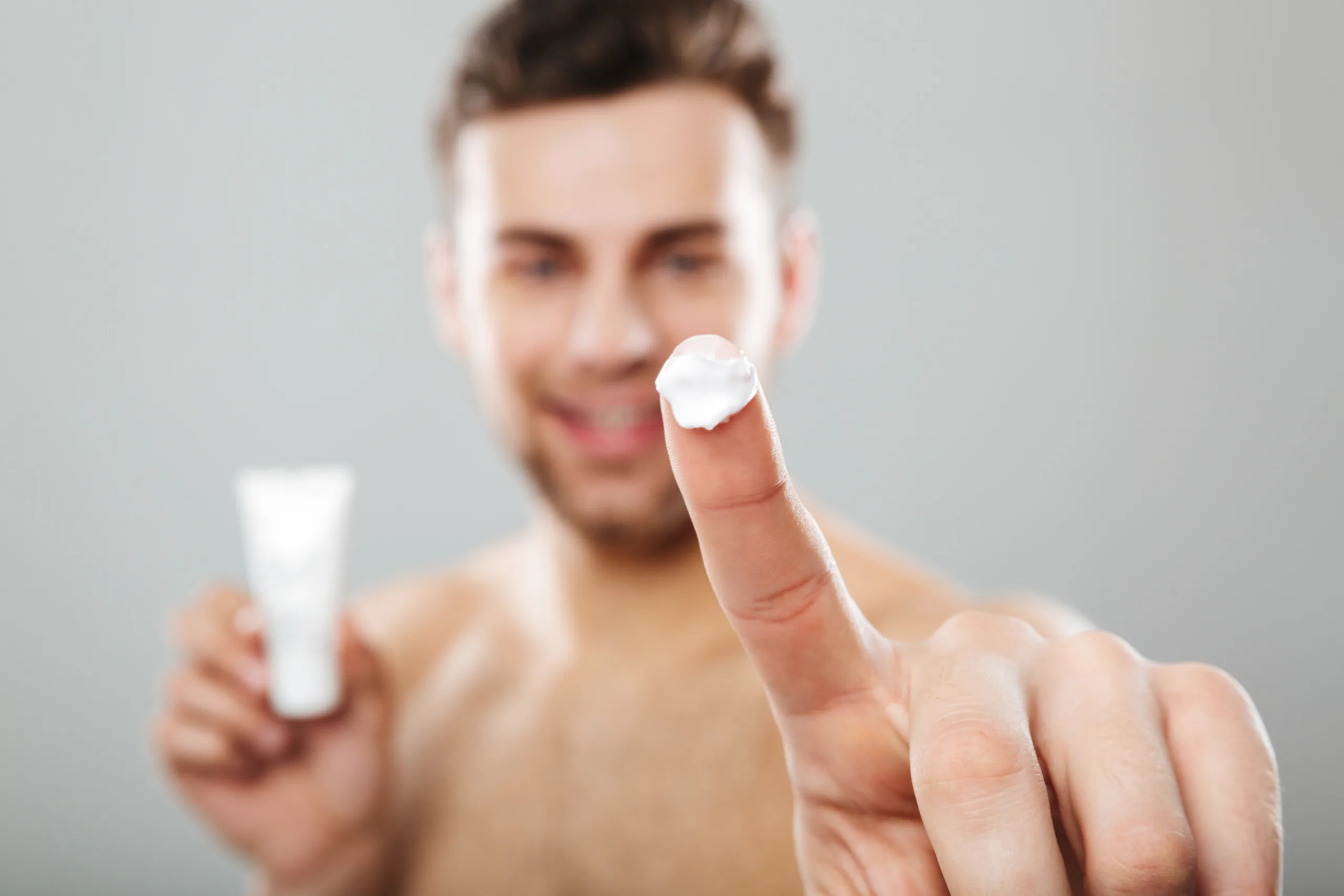
Moisture trapped in skin folds is one of the biggest causes of heat rashes. After sweating, gently dry your skin using a clean towel instead of rubbing harshly.
Pay extra attention to areas like:
- Neck
- Armpits
- Groin
- Inner thighs
- Under the breasts
- Back and chest
Using a soft absorbent cloth during outdoor activities can help manage excessive sweating. People who exercise regularly should shower soon after workouts to remove sweat and bacteria from the skin.
Take Cool Showers Regularly
Cool showers can calm irritated skin and reduce sweating. During summer, bathing at least once or twice a day helps remove sweat buildup and keeps pores clean.
Avoid very hot water because it can worsen skin irritation and dryness. Mild fragrance free soaps are also a better choice for sensitive skin. Strong chemicals and perfumes may trigger further itching or redness.
Stay Hydrated

Hydration plays a major role in skin health. When the body is dehydrated, it struggles to regulate temperature properly, which may increase sweating and skin sensitivity.
Drink enough water throughout the day, especially if you spend time outdoors or work in hot environments. Fresh fruits with high water content such as watermelon, cucumber, and oranges can also support hydration.
Avoid Staying in Direct Heat for Too Long
Continuous exposure to sunlight and high temperatures increases sweating and irritation. Whenever possible, stay in shaded or air conditioned spaces during peak afternoon hours.
If you must be outdoors, take short breaks in cooler areas to allow your body temperature to settle. Using umbrellas, hats, and breathable clothing can also provide protection against excessive heat.
Use Talcum Free Anti Rash Powders Carefully
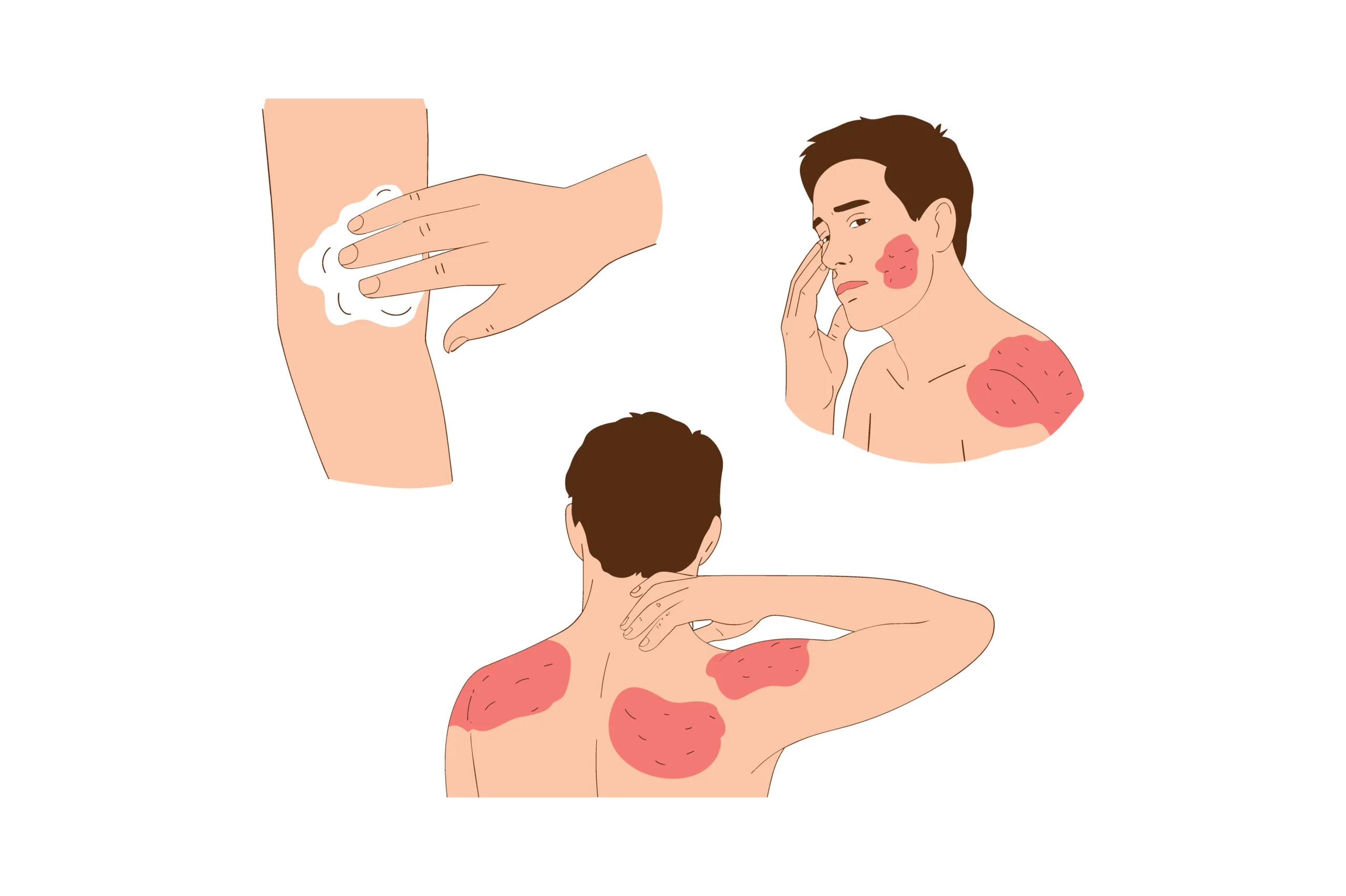
Some anti rash powders can help absorb moisture and reduce friction. However, it is important to choose products recommended by healthcare professionals.
Avoid using heavily scented powders or applying too much product because this may clog pores further. If you already have a rash, self medicating without proper guidance may worsen the condition.
Maintain Good Personal Hygiene
Good hygiene is essential for preventing skin infections related to sweat and heat. Wash clothes, towels, and bedsheets regularly because bacteria and fungi thrive in damp environments.
People who sweat heavily should avoid wearing the same clothes for long periods. Clean dry clothes help reduce irritation and prevent the spread of infections.
Know When to See a Doctor

Many heat rashes improve within a few days with proper care. However, medical attention may be needed if the rash becomes painful, swollen, or starts producing pus. Fever, severe itching, or spreading redness can also indicate infection.
Certain skin conditions such as eczema, fungal infections, or allergic reactions may look similar to heat rash and require proper diagnosis. At Shifa Al Khobar, our medical professionals evaluate skin concerns carefully and recommend treatments based on each patient’s condition and skin type.
Protect Your Skin Before Problems Start
Preventing heat and sweat related skin rashes is often easier than treating them. Small daily habits like staying cool, wearing breathable clothing, maintaining hygiene, and keeping the skin dry can make a huge difference.
If you or your family members are experiencing recurring skin irritation, itching, or rashes during hot weather, the medical team at Shifa Al Khobar is here to help. Contact us today to schedule a consultation and receive expert guidance for healthy and comfortable skin all year round.