

If you have a young child, there is a good chance you have already dealt with an ear infection at least once. Late nights, fever, constant ear tugging, and a very unhappy little one. It is one of the most common reasons parents bring their kids to a clinic, and for good reason. Ear infections in children are extremely frequent, much more so than in adults. But why exactly does this happen? The answer comes down to anatomy, immunity, and a few habits that are very common in early childhood.
At Shifa Al Khobar, we see a lot of young patients coming in with ear pain, and parents often ask us the same question: why does my child keep getting these infections? So let us break it down in a way that actually makes sense.
The Eustachian Tube Is the Main Reason
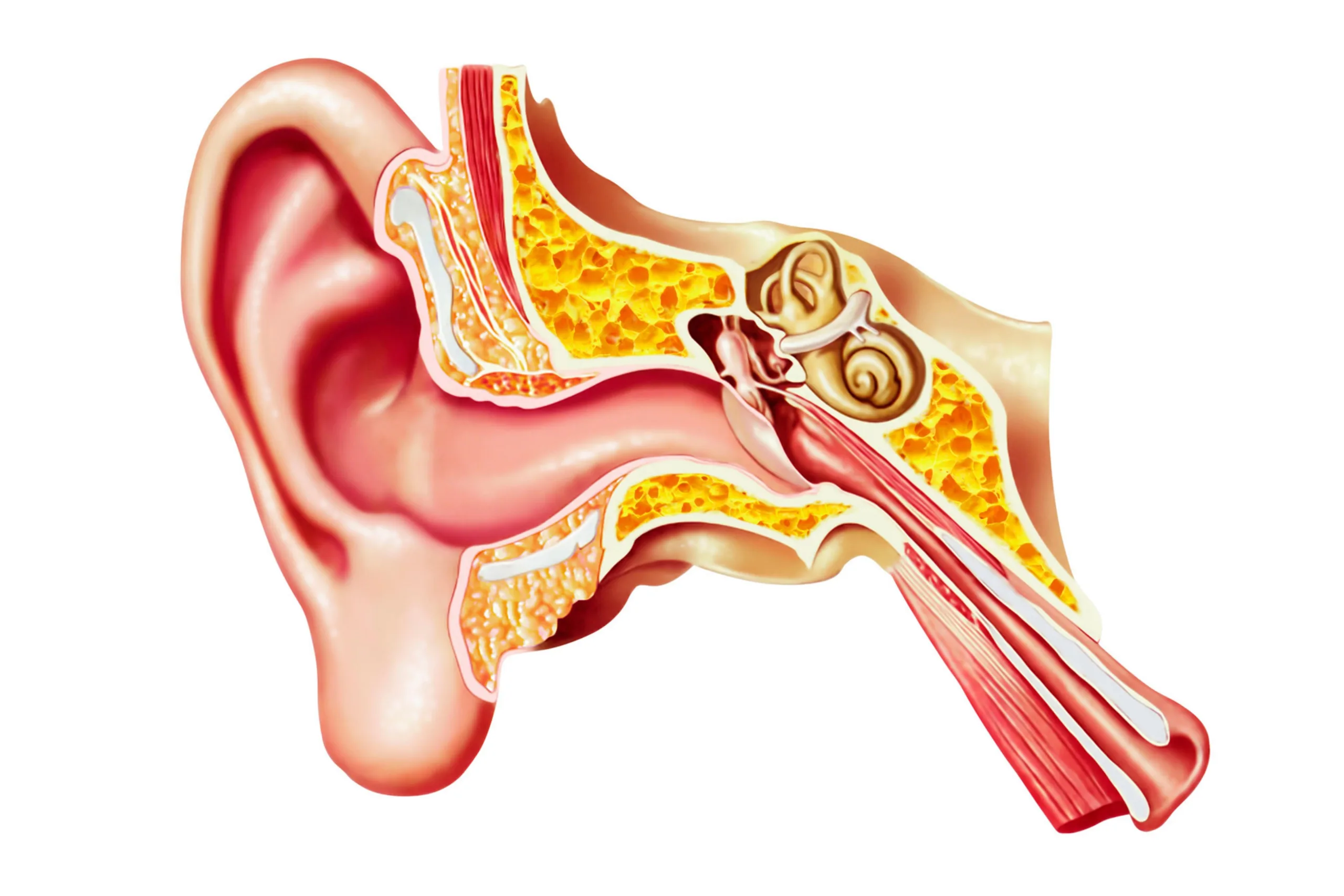
The biggest factor is something called the Eustachian tube. This is a small passage that connects the middle ear to the back of the throat. Its job is to drain fluid and keep air pressure balanced in the ear.
In adults, this tube sits at a fairly steep angle, which helps fluid drain naturally. In children, especially under the age of seven, the tube is much shorter and positioned almost horizontally. That flat angle makes it very easy for bacteria and viruses to travel from the throat straight into the middle ear. It also means fluid does not drain as easily and tends to collect behind the eardrum. That trapped fluid is where infections often start.
As children grow older, the tube gradually lengthens and tilts, which is a big part of why ear infections become less frequent with age.
A Developing Immune System
Children have not yet built up the same level of immunity that adults carry. Every cold, every exposure to a new virus, every visit to a crowded place is a new experience for their immune system. Because of this, children catch respiratory illnesses more often, and those illnesses frequently spread to the ear.
The middle ear is directly connected to the upper respiratory tract. So when a child has a runny nose or sore throat, the same infection can very easily work its way to the ear. Adults tend to fight off these bugs faster and more efficiently, which reduces the chances of a secondary ear infection developing.
Adenoids Play a Role Too

Children have adenoids, which are small glands located near the opening of the Eustachian tube. In young kids, these adenoids are proportionally larger and more active. They can become a place where bacteria hang around and grow, and when they swell up during an illness, they can actually block the Eustachian tube and make drainage even harder.
In adults, the adenoids shrink significantly and rarely cause this kind of problem.
Group Settings and Constant Germ Exposure
Think about how much time young children spend in nurseries, playgroups, and schools. They share toys, touch the same surfaces, and are in close contact throughout the day. Respiratory infections spread quickly in these settings, and since ear infections usually follow respiratory infections, children in group care tend to get them more often.
This does not mean daycare or school is bad for children. It is actually part of how their immune systems develop. But it does explain why ear infection rates tend to peak between ages six months and two years, when children are often in group settings for the first time.
Bottle Feeding Position

Babies who feed while lying flat on their back are at a slightly higher risk. When a baby drinks in this position, milk can flow toward the Eustachian tube opening and introduce bacteria into the middle ear. Holding the baby at a more upright angle during feeding can reduce this risk. Breastfeeding has also been associated with a lower rate of ear infections, likely because of the antibodies passed through breast milk.
Secondhand Smoke
Children exposed to cigarette smoke at home get ear infections more often. Smoke irritates the lining of the ear passages and weakens the body’s ability to clear bacteria. If there is a smoker in the household, keeping the child away from smoke indoors makes a real difference.
When Should You See a Doctor?

Not every ear infection needs antibiotics. Some mild cases clear up on their own in a few days. But if your child has a fever above 38.5°C, is in significant pain, is under two years of age, or symptoms are not improving after 48 to 72 hours, it is worth getting them checked.
Repeated infections, more than four in a year, or fluid that stays in the ear for months, may require further evaluation. In some cases, small tubes are placed in the eardrum to help with drainage, and that can make a big difference for children who keep getting infections.
At Shifa Al Khobar, we take ear health seriously at every age. If your child has been complaining of ear pain, seems to have trouble hearing, or has had multiple infections recently, come and see us. Our team can properly examine the ear, explain what is happening, and walk you through the right treatment options for your child’s age and situation.Reach out to Shifa Al Khobar, we are here to help your child feel better and stay healthy.