

Women often put their health on the back seat while managing work, family, and daily responsibilities. Many health concerns do not begin with obvious symptoms. Instead, they show up quietly through small changes that are easy to ignore. Paying attention to these early signals can make a meaningful difference in long term wellbeing.
At Shifa Al Khobar, we often meet women who wish they had noticed certain signs earlier. Awareness is the first step toward prevention and timely care. Here are ten silent signs that should never be overlooked.
1. Persistent Fatigue

Feeling tired after a long day is normal. But constant exhaustion even after proper rest can point to deeper issues. It could be linked to anemia, thyroid imbalance, or even hormonal changes. When fatigue starts affecting your daily routine, it is worth looking into.
2. Irregular Menstrual Cycles
A slight variation in your cycle is common, but frequent irregularities should not be ignored. Skipped periods, unusually heavy flow, or cycles that change drastically may indicate hormonal imbalance, polycystic ovary syndrome, or other reproductive concerns.
3. Unexplained Weight Changes
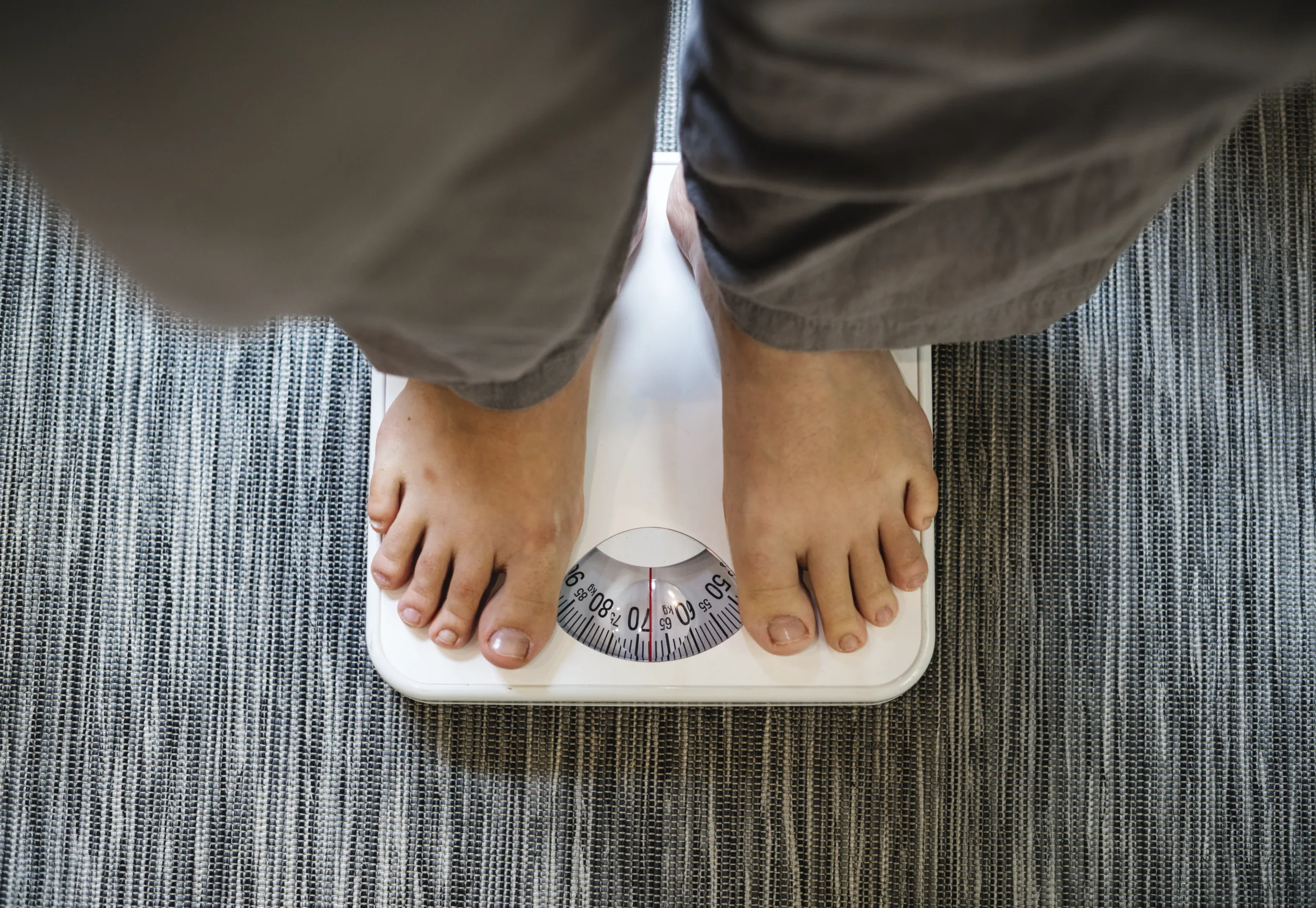
Sudden weight gain or loss without changes in diet or activity levels can signal underlying conditions. Thyroid disorders, stress related hormonal shifts, or metabolic concerns may be at play. These changes often happen gradually, which is why they go unnoticed.
4. Changes in Skin and Hair
Your skin and hair often reflect what is happening inside your body. Persistent acne, unusual dryness, hair thinning, or excessive hair growth in unusual areas may be linked to hormonal imbalance or nutritional deficiencies.
5. Frequent Mood Swings

Mood changes are often dismissed as stress or routine emotional fluctuations. However, ongoing irritability, anxiety, or low mood can be tied to hormonal issues, thyroid problems, or even early signs of mental health concerns.
6. Pelvic or Lower Abdominal Discomfort
Mild discomfort is easy to brush off, especially during busy days. But recurring pelvic pain or a feeling of heaviness should not be ignored. It may be associated with conditions such as ovarian cysts, infections, or endometriosis.
7. Digestive Changes

Bloating, constipation, or frequent discomfort in the digestive system can sometimes be linked to gynecological health rather than just diet. Persistent digestive issues should be evaluated to rule out underlying causes.
8. Breast Changes
Any unusual change in the breast such as lumps, skin texture changes, or discharge needs attention. Not all changes indicate something serious, but early evaluation ensures peace of mind and timely care if needed.
9. Sleep Disturbances

Difficulty falling asleep or staying asleep can be more than just stress. Hormonal imbalances, especially related to reproductive health or thyroid function, often affect sleep patterns. Poor sleep can then impact overall health in a cycle that is hard to break.
10. Reduced Libido
A noticeable decline in interest in intimacy can sometimes be linked to hormonal shifts, emotional stress, or underlying health conditions. It is a sensitive topic, but one that deserves attention and care.
Why Early Attention Matters

Small signs often appear long before a condition becomes serious. Ignoring them may delay diagnosis and treatment. Regular health checkups, open conversations with healthcare professionals, and a willingness to listen to your body can prevent complications.
At Shifa Al Khobar, we focus on creating a comfortable environment where women feel heard and supported. Every concern is valid, no matter how small it may seem. Early care is always better than reactive treatment.
When Should You Seek Help
If you notice any of these signs persisting for a few weeks or interfering with your daily life, it is time to consult a specialist. You do not need to wait for symptoms to become severe. Preventive care plays a key role in maintaining long term health.
Your Health Deserves Attention
Taking care of your health is not a luxury. It is a necessity. Listening to your body and acting early can protect your future wellbeing and improve your quality of life.
At Shifa Al Khobar, we are committed to providing compassionate and comprehensive care for women at every stage of life. If you have noticed any of these signs or simply want a routine checkup, our team is here to help. Reach out to us today and take the first step toward better health.