
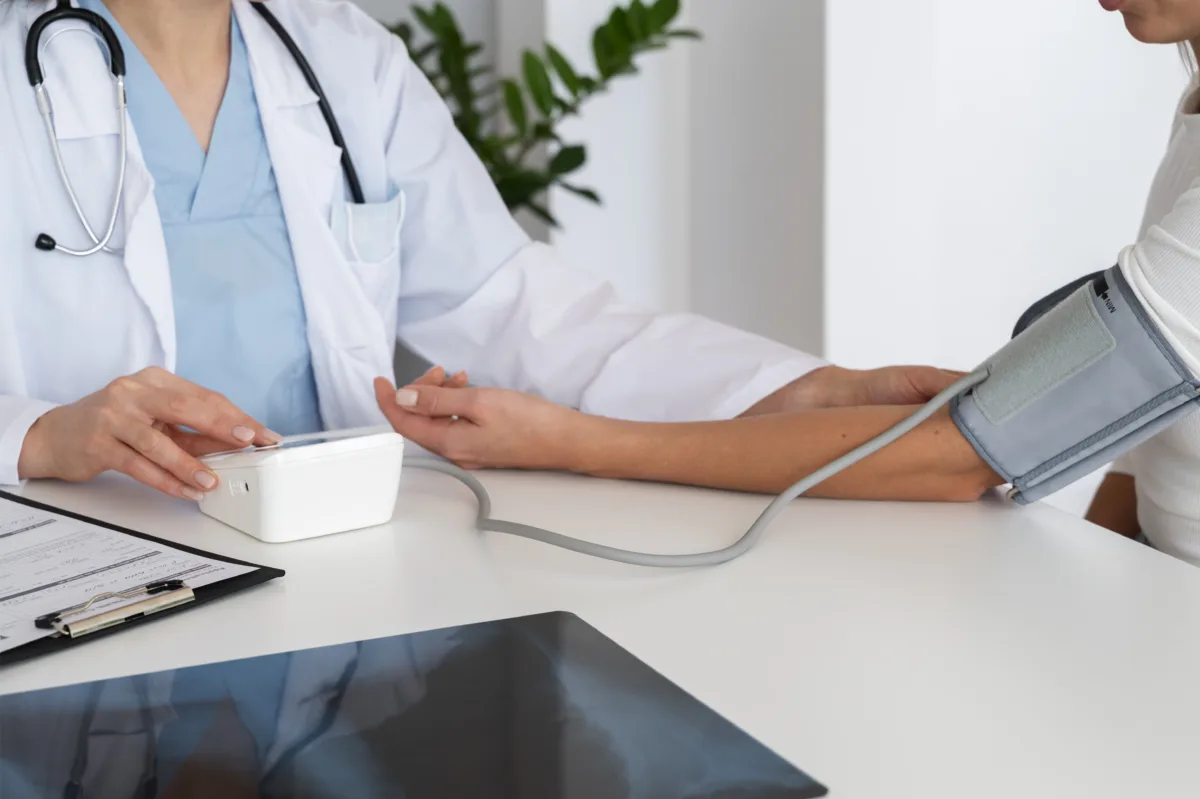
Health often feels predictable until it isn’t. Many people assume that feeling normal means everything is fine, but the body does not always signal trouble early. Some of the most serious conditions develop slowly, without pain or visible symptoms. Regular health screenings exist to catch these changes early, when action is simpler and outcomes are better.
This is not about expecting illness. It is about staying aware of your health and making informed choices at every stage of life. From childhood to older age, screenings play a different role, but their importance never fades.
Childhood and teenage years

Early life is a period of rapid growth. Health screenings during childhood help monitor physical development, vision, hearing, and basic organ function. These checks can reveal issues such as nutritional deficiencies, allergies, or vision problems that may affect learning and daily activities.
As children grow into teenagers, the body goes through major physical and hormonal changes. Screenings during adolescence often focus on anemia, thyroid balance, and overall fitness. Emotional health also becomes increasingly important during this phase. Regular medical reviews help identify concerns early and provide support before they begin to affect academic performance or confidence.
Early adulthood and health awareness
The twenties and thirties are often spent building careers and families. Health tends to take a back seat, especially when there are no obvious problems. This stage, however, is when lifestyle patterns start shaping long term outcomes.
Health screenings during early adulthood usually include blood pressure, cholesterol, blood sugar levels, and weight assessment. These results highlight early risk factors related to heart disease, diabetes, and metabolic conditions. Reproductive health evaluations are also relevant for both men and women during this phase. Establishing a health baseline now makes it easier to notice changes later and respond early.
Midlife and preventive focus

Midlife brings new health considerations. The body responds differently to stress, diet, and physical activity, and certain conditions become more common. Screenings during this stage are essential for staying ahead of potential problems.
Doctors often focus on heart health, liver and kidney function, and metabolic balance. Cancer related screenings such as breast, cervical, prostate, and colorectal checks are recommended based on age and medical history. These tests are most effective when done on time, as early stage detection often leads to simpler treatment and better recovery.
Regular screenings in midlife also help fine tune medications and lifestyle guidance, reducing the risk of complications later.
Older age and consistent monitoring
In later years, health screenings support independence and quality of life. Bone density tests help assess fracture risk. Vision and hearing evaluations support safety and daily functioning. Ongoing monitoring of chronic conditions ensures that treatments remain effective and appropriate.
Cognitive assessments and balance checks may also be included to reduce fall risks and identify early memory changes. Consistent monitoring allows care plans to adjust gradually instead of responding to sudden health events.
Why early testing matters

Timing is one of the strongest reasons to stay consistent with health screenings. When conditions are identified early, treatment is often simpler and less disruptive. This can mean fewer medications, shorter recovery periods, and less impact on daily life.
There is also a financial aspect. Preventive care can reduce long term medical expenses by avoiding hospital admissions and advanced treatments. Knowing your health status also brings clarity, helping you plan work, travel, and family responsibilities with confidence.
Care that is personal and practical
Care provided by Shifa Al Khobar is guided by individual needs rather than generic checklists. Screening recommendations are based on age, family history, lifestyle, and existing conditions. Doctors take time to explain results clearly, helping patients understand what the findings mean and what steps are actually necessary.
Follow ups are handled with the same attention. The focus is on guidance, clarity, and steady health management rather than rushed decisions.
Taking charge of long term health

Regular health screenings are a way of staying prepared. A short visit today can prevent years of health complications later. Staying informed allows better decisions and reduces unnecessary risks.
If you have postponed a checkup or are unsure which screenings are right for you, reach out to the team at Shifa Al Khobar. Contact us to book an appointment or discuss a screening plan that matches your age, lifestyle, and health priorities.