
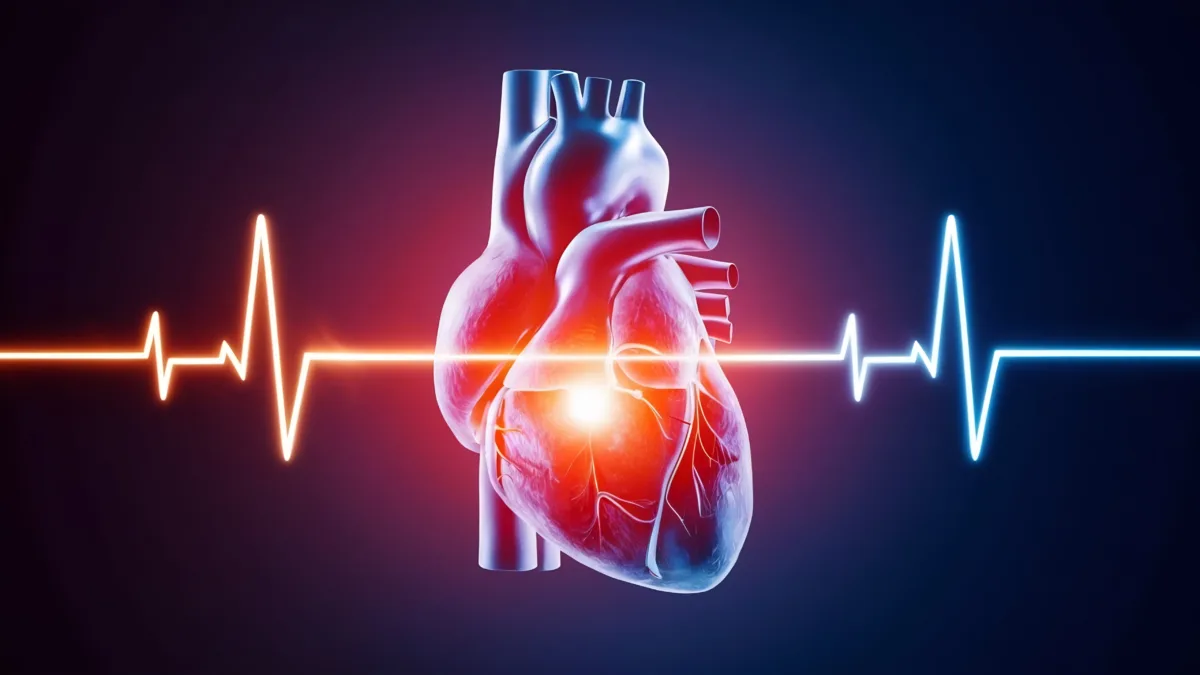
A sudden heart attack often feels unexpected, but in many cases the risk builds quietly over time. What people do each day plays a major role in shaping heart health. At Shifa Al Khobar, we regularly see how routine lifestyle choices influence cardiovascular wellbeing. While genetics and age are factors that cannot be changed, daily habits can either protect the heart or place it under constant strain.
Understanding how everyday actions affect heart health is the first step toward prevention.
Understanding Sudden Heart Attack Risk

A sudden heart attack occurs when blood flow to the heart muscle is abruptly blocked, usually due to a clot in the coronary arteries. This blockage prevents oxygen from reaching heart tissue, leading to damage that can become life threatening within minutes.
Although the event itself happens quickly, the underlying causes develop gradually. Plaque buildup, high blood pressure, inflammation, and poor circulation often result from long term lifestyle patterns rather than a single trigger.
Sedentary Lifestyle and Its Impact
Modern routines often involve long hours of sitting, whether at a desk, in a vehicle, or in front of a screen. Physical inactivity slows metabolism, contributes to weight gain, and reduces cardiovascular efficiency.
Regular movement strengthens the heart muscle and improves circulation. When the body remains inactive for extended periods, blood flow becomes sluggish and arteries can stiffen over time. Even small changes such as walking daily, taking the stairs, or stretching between tasks can improve heart function.
Unhealthy Eating Patterns

Diet is one of the strongest influences on cardiovascular health. Frequent consumption of processed foods, excess salt, sugary beverages, and saturated fats contributes to high cholesterol and increased blood pressure.
On the other hand, a balanced diet rich in vegetables, fruits, whole grains, lean proteins, and healthy fats supports heart health by reducing inflammation and improving lipid levels.
Portion control is equally important. Overeating, even healthy foods, can lead to weight gain and metabolic strain.
Chronic Stress and Emotional Pressure
Stress is often underestimated as a cardiovascular risk factor. Persistent stress triggers hormonal responses that elevate heart rate, raise blood pressure, and increase inflammation within blood vessels.
When stress becomes chronic, the body remains in a heightened state of alertness. Over time, this can contribute to hypertension, irregular heart rhythms, and arterial damage.
Incorporating relaxation practices such as deep breathing, prayer, meditation, or quiet reflection can help regulate stress levels and support heart health.
Poor Sleep Habits

Sleep is essential for cardiovascular repair and hormonal balance. Inadequate sleep disrupts blood pressure regulation and increases the risk of obesity and diabetes, both of which are linked to heart disease.
Adults generally require seven to eight hours of quality sleep each night. Irregular sleep schedules, excessive screen time before bed, and untreated sleep disorders can all place additional stress on the heart.
Smoking and Tobacco Use
Tobacco use significantly increases the risk of sudden heart attack. Chemicals in tobacco damage the lining of blood vessels, promote plaque buildup, and reduce oxygen delivery to tissues.
Even occasional smoking can negatively affect circulation. Quitting tobacco is one of the most effective steps a person can take to improve cardiovascular health.
Ignoring Early Warning Signs

Daily habits also include how individuals respond to their own health signals. Symptoms such as chest discomfort, unusual fatigue, shortness of breath, dizziness, or palpitations should never be ignored.
Early evaluation allows medical professionals to detect risk factors before a serious event occurs. Routine health screenings can identify high blood pressure, cholesterol imbalances, and diabetes early, making prevention possible.
The Importance of Preventive Care
Preventive healthcare plays a critical role in reducing the risk of sudden heart attack. Regular checkups, heart health screenings, and personalized medical advice help identify risks and guide lifestyle improvements.
At Shifa Al Khobar, our approach focuses on early detection, patient education, and preventive strategies that support long term cardiovascular wellbeing. We believe that informed lifestyle choices, combined with medical guidance, offer the strongest protection against heart disease.
Small Daily Changes That Protect the Heart

Heart health does not require dramatic changes overnight. Consistent, manageable habits make the greatest difference over time.
Choosing fresh foods over processed meals, walking daily, managing stress, maintaining a healthy weight, sleeping well, and avoiding tobacco can significantly reduce cardiovascular risk.
When these actions become part of daily life, they help build resilience within the heart and circulatory system.
When to Seek Medical Guidance
If you experience chest pain, pressure, discomfort in the arms or jaw, shortness of breath, sudden sweating, or unexplained fatigue, seek medical attention immediately. Prompt care can save heart tissue and lives.
For individuals with risk factors such as diabetes, hypertension, obesity, or a family history of heart disease, regular monitoring is essential.
Your Heart Health Matters

At Shifa Al Khobar, we are committed to helping individuals understand the connection between daily habits and heart health. Prevention begins with awareness and is strengthened through consistent lifestyle choices and medical support.
If you would like to assess your cardiovascular risk or schedule a heart health screening, our medical team is here to help. Contact Shifa Al Khobar today to book a consultation and take a proactive step toward protecting your heart and overall wellbeing.