

Noticing blood while brushing or flossing can feel a little alarming. Most people assume it is nothing serious, maybe just brushing too hard or using the wrong toothbrush. But in reality, your gums rarely bleed without a reason.
At Shifa Al Khobar, we often remind our patients that bleeding gums are not something to ignore. They are usually an early signal that your oral health needs attention. The sooner you understand the cause, the easier it is to treat.
What causes bleeding gums
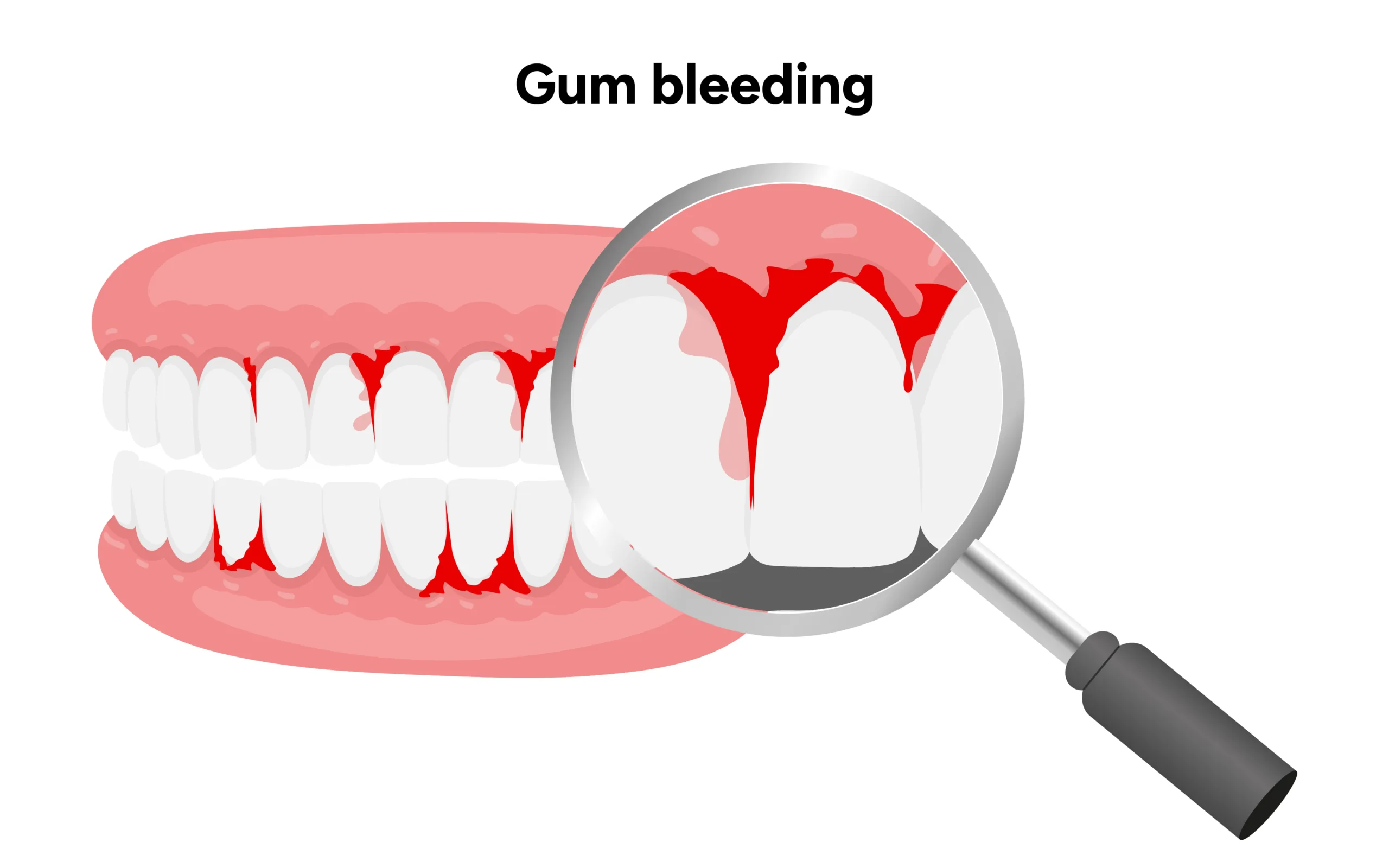
The most common reason is plaque buildup. Plaque is a layer of bacteria that forms on your teeth every day. When it is not removed properly, it starts irritating the gum tissue.
Over time, this leads to inflammation, also known as gingivitis. At this stage, your gums may look red, feel tender, and bleed easily during brushing or flossing.
Other factors can also contribute, including hormonal changes, vitamin deficiencies, certain medications, and underlying health conditions. Even stress can make your gums more sensitive by affecting your immune system.
What your gums are trying to tell you
Bleeding gums are often the first warning sign of gum disease. In its early stage, it is completely reversible with the right care.
If left untreated, it can progress into a more serious condition that affects the bone supporting your teeth. This is when problems like loose teeth and long term damage begin to appear.
So when your gums bleed, what it really means is that your body is asking for better care and attention.
Is brushing the problem
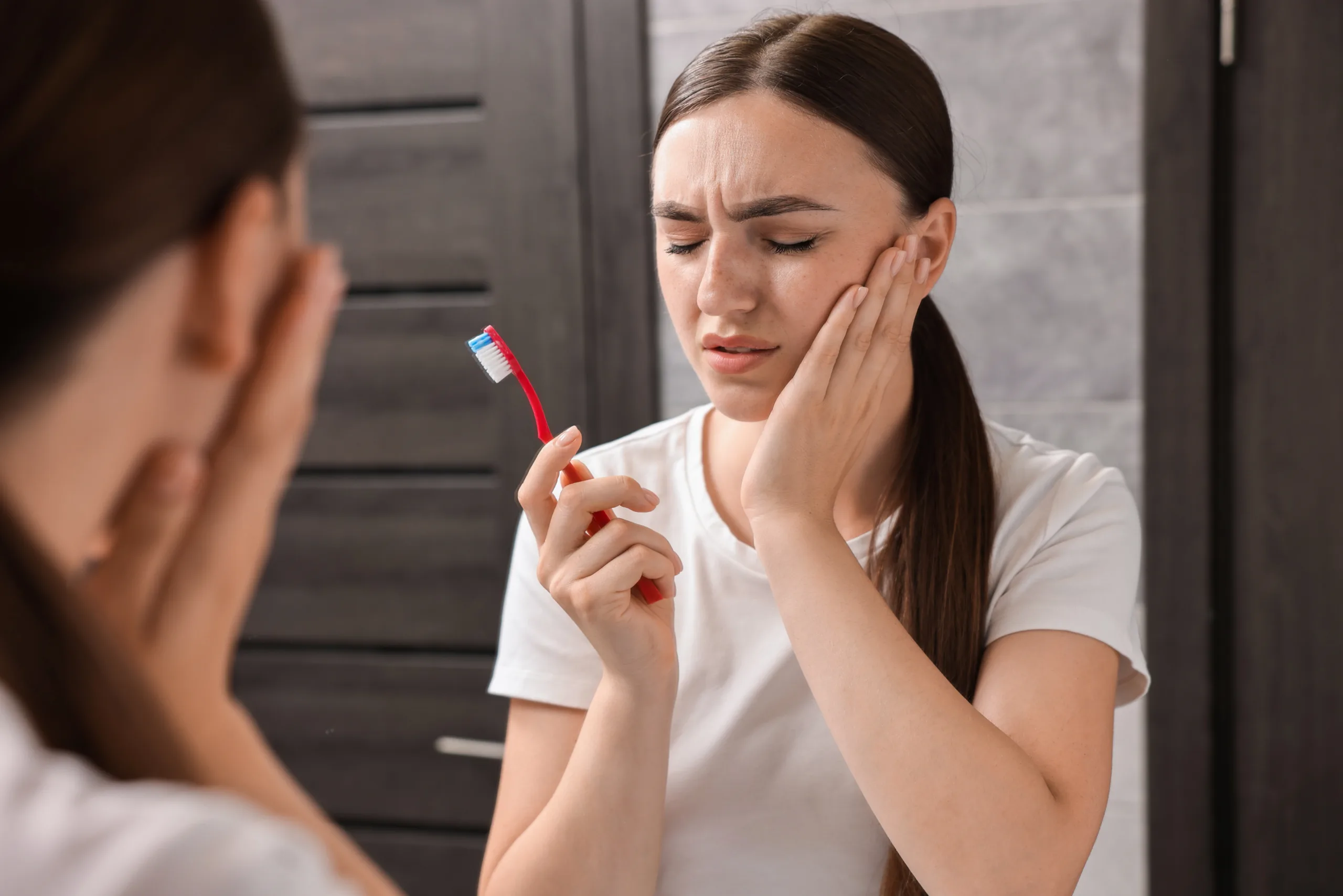
Many people wonder if brushing too hard is the main cause. While aggressive brushing can irritate your gums, healthy gums should not bleed easily.
If bleeding happens regularly, even with gentle brushing, it is more likely due to inflammation rather than technique alone.
Switching to a soft bristle toothbrush and using gentle motions can help, but it is not a complete solution if gum disease is present.
Why flossing matters more than you think
Flossing is often overlooked, but it plays a big role in gum health. It removes plaque from between your teeth, where your toothbrush cannot reach.
If your gums bleed when you start flossing, it might feel like you are making things worse. In reality, it is a sign that your gums need consistent care.
With regular flossing, the bleeding usually reduces as the inflammation improves.
When to seek professional care

Occasional bleeding might not seem serious, but frequent bleeding should never be ignored.
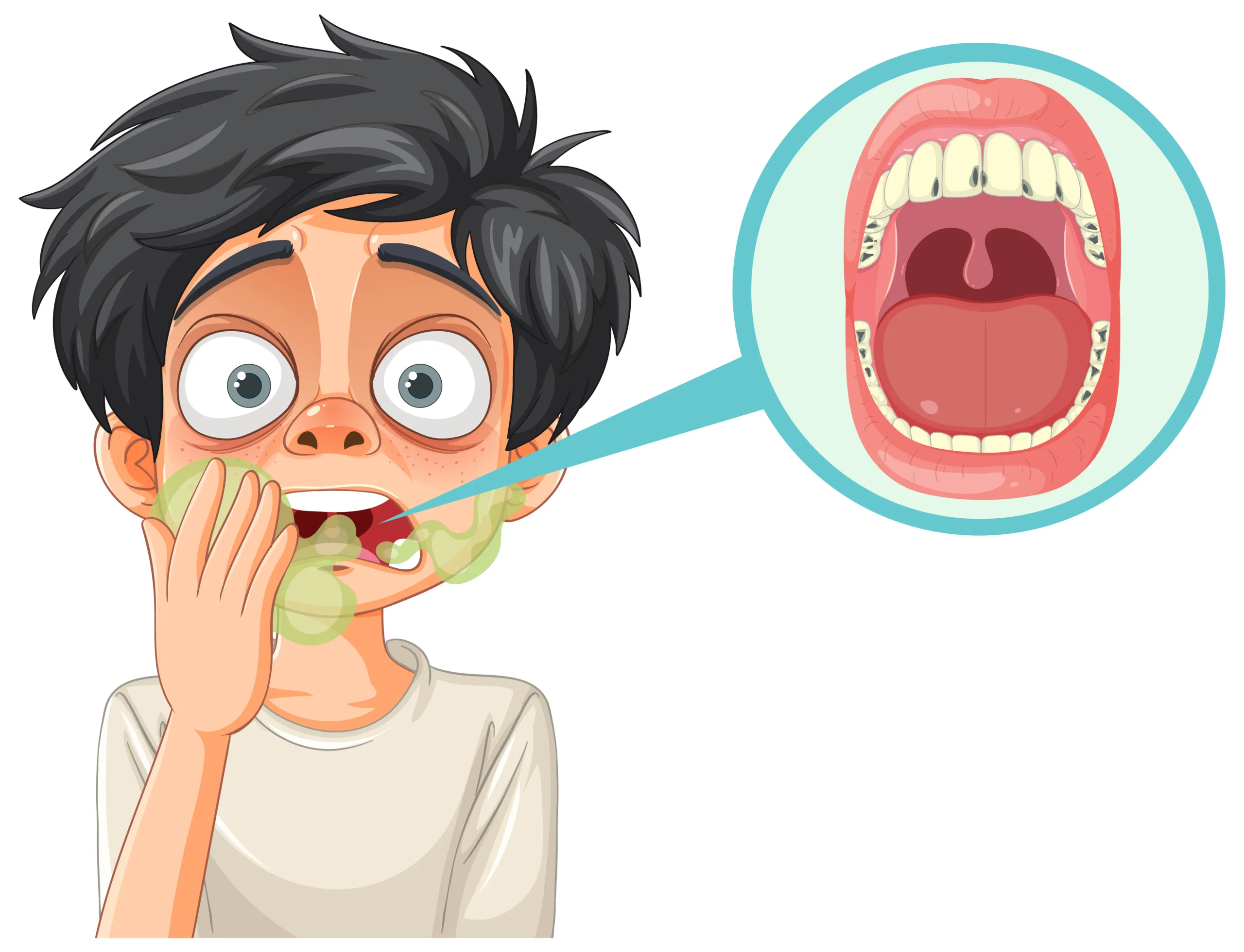
Pay attention if you notice changes like swollen gums, persistent bad breath, or gums pulling away from your teeth. These are signs that you may need professional treatment.
At Shifa Al Khobar, we focus on identifying the root cause and addressing it early. A simple dental cleaning can often remove the buildup causing the problem and restore your gum health.
Simple habits that protect your gums
Good oral health is built on daily habits. Small, consistent steps can make a big difference.
- Brush twice a day using a soft toothbrush
- Floss daily to clean between teeth
- Maintain a balanced diet with essential vitamins
- Visit your dentist regularly for checkups
These habits not only prevent bleeding gums but also protect your overall oral health.
Why you should not ignore it
Bleeding gums are not just about your mouth. They can also be linked to your general health. Studies have shown connections between gum disease and conditions like heart problems and diabetes.
This makes it even more important to take early signs seriously. Your oral health is closely connected to your overall wellbeing.
We are here to help
At Shifa Al Khobar, we believe that prevention and early care make all the difference. If your gums are bleeding, it is not something you have to live with.
Our experienced dental team is here to guide you with the right treatment and practical advice tailored to your needs. Whether it is a routine cleaning or a more detailed evaluation, we are committed to helping you achieve healthy gums and a confident smile.
Reach out to us today to schedule your consultation and take control of your oral health.