
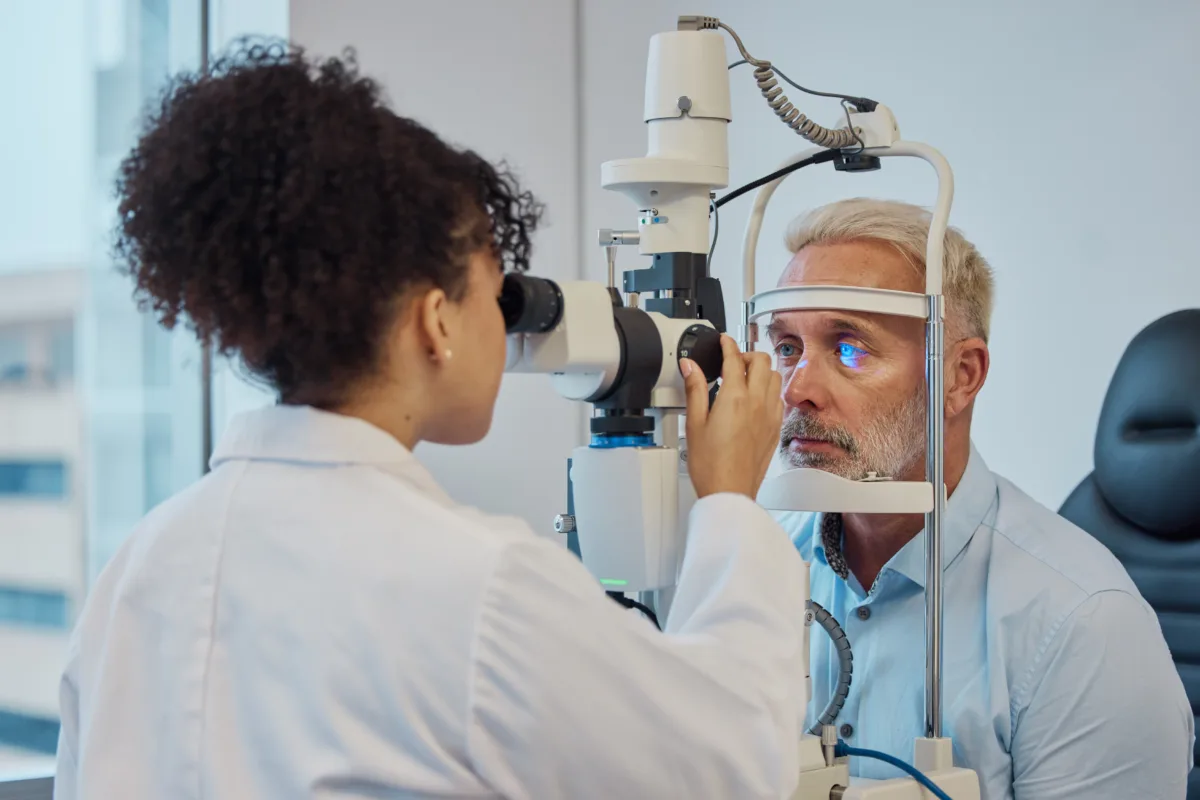
Living in Saudi Arabia means enjoying bright sunshine for most of the year, but the country’s desert climate can also take a toll on your eye health. High temperatures, dry air, dust storms, and strong sunlight create conditions that can lead to eye discomfort and even long term vision problems if ignored. Many people experience dry, irritated eyes without realizing that the environment is a major reason behind their symptoms.
At Shifa Al Khobar, we regularly care for patients experiencing eye problems related to the local climate. Understanding how the environment affects your eyes can help you take simple preventive steps and know when it is time to seek professional care.
Why Desert Weather Is Tough on Your Eyes
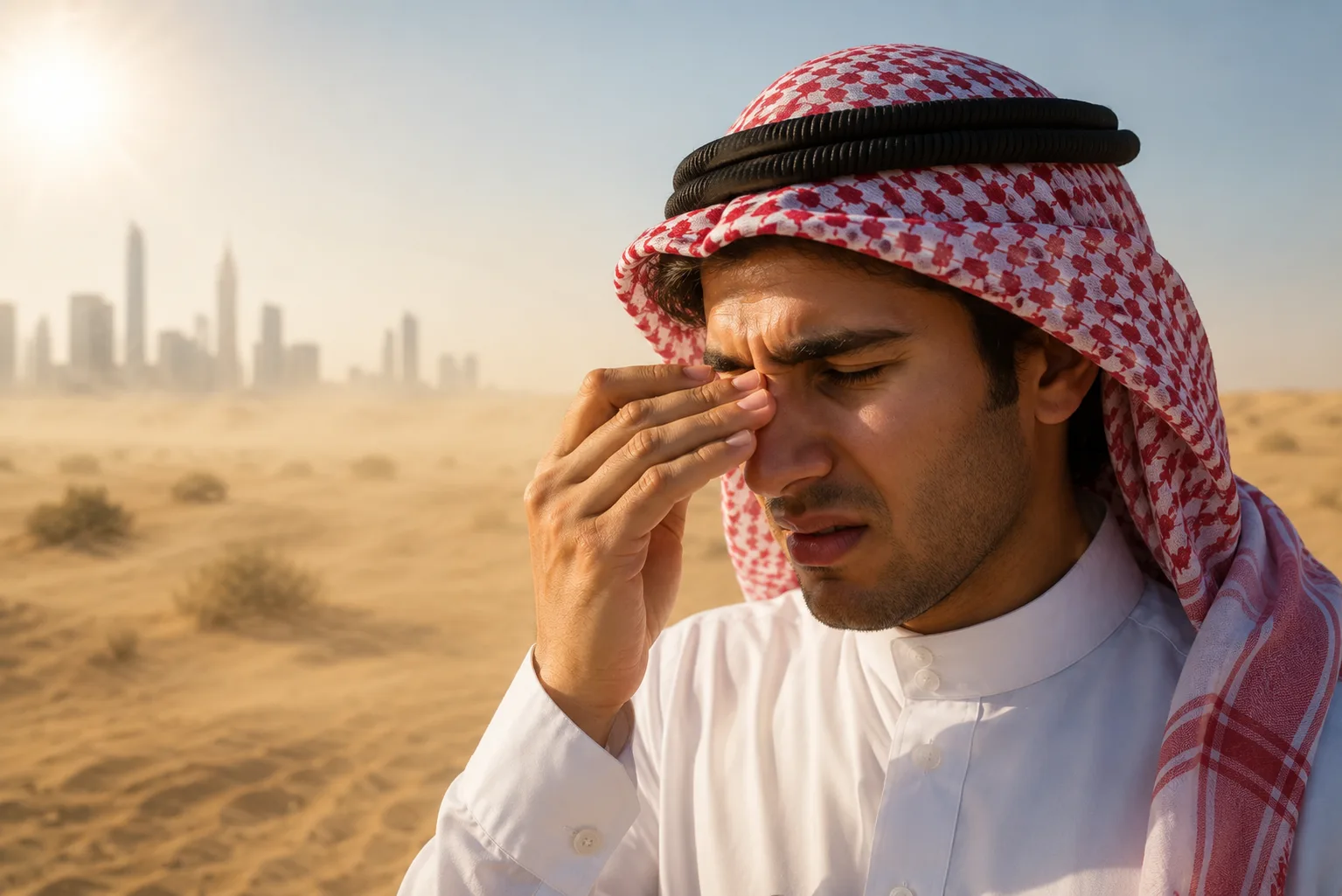
Saudi Arabia’s climate is known for its hot weather, low humidity, and frequent exposure to dust and sand. Unlike humid regions where moisture remains in the air, desert conditions cause tears to evaporate much faster. Your eyes rely on a healthy tear film to stay comfortable, clear, and protected.
When tears evaporate too quickly, the surface of the eye becomes dry and irritated. Dust particles carried by the wind can further increase discomfort by irritating the delicate tissues of the eye. Spending long hours outdoors or in air conditioned environments can make these problems even worse.
Understanding Dry Eye Syndrome
Dry eye syndrome is one of the most common eye conditions seen in people living in hot and dry climates. It develops when your eyes either do not produce enough tears or when tears evaporate too quickly.
Common symptoms include:
- Burning or stinging sensation
- Redness
- Itchy eyes
- Blurred vision that improves after blinking
- Feeling like something is stuck in the eye
- Watery eyes caused by irritation
- Sensitivity to light
Many people believe watery eyes mean their eyes are well hydrated. In reality, excessive tearing can actually be a response to dryness and irritation.
Ignoring dry eye symptoms can lead to chronic inflammation and damage to the surface of the eye, making treatment more difficult over time.
The Hidden Risk of UV Damage
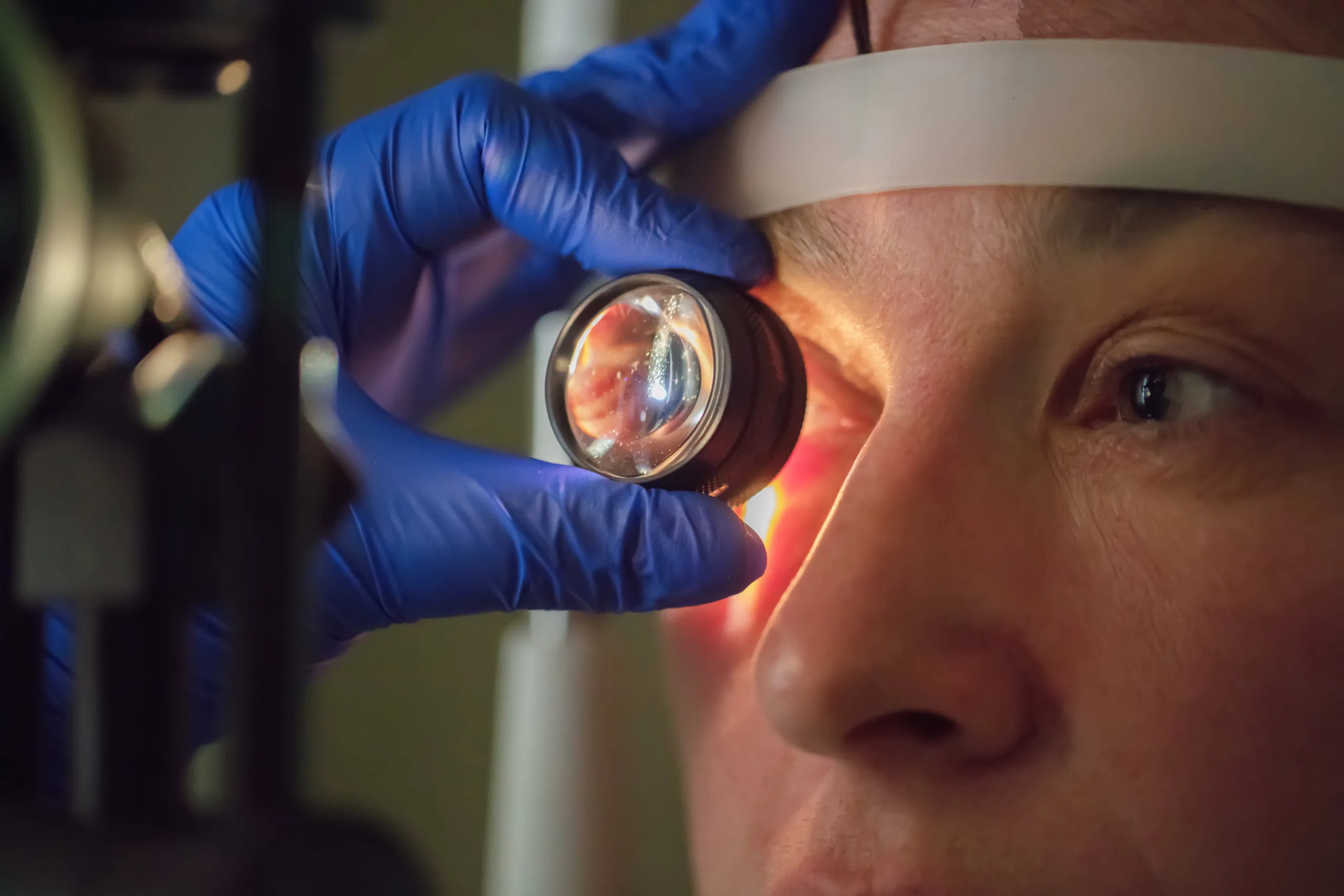
Bright sunshine is part of everyday life in Saudi Arabia. While sunlight provides many benefits, excessive exposure to ultraviolet rays can harm your eyes just as it affects your skin.
Long term UV exposure increases the risk of several eye conditions, including:
- Cataracts
- Growths on the surface of the eye
- Damage to the cornea
- Retinal problems
- Early aging of eye tissues
The risk becomes even higher because sand reflects sunlight, increasing UV exposure from multiple directions. People who spend hours driving, working outdoors, or participating in outdoor activities should be especially careful.
Wearing quality sunglasses that block both UVA and UVB rays is one of the simplest ways to protect your vision.
Dust Storms and Eye Irritation
Dust storms are common in many parts of Saudi Arabia. Tiny dust particles carried by strong winds can easily enter the eyes, causing immediate irritation.
Symptoms after dust exposure may include:
- Redness
- Watering
- Pain
- Blurred vision
- Increased sensitivity to light
Rubbing your eyes during or after a dust storm may scratch the surface of the eye, leading to further complications. Instead, gently rinse your eyes with clean water or sterile saline solution if irritation occurs.
If discomfort continues or vision becomes blurry after dust exposure, it is important to have your eyes examined.
Everyday Habits That Can Make Dry Eyes Worse

Modern lifestyles can add to the challenges created by the desert climate.
Several common habits contribute to dry eyes, including:
- Long hours looking at computers
- Excessive mobile phone use
- Air conditioned offices
- Wearing contact lenses for extended periods
- Not drinking enough water
- Poor sleep
When concentrating on screens, people blink less often, allowing tears to evaporate faster. Taking regular breaks and blinking consciously can make a noticeable difference.
Simple Ways to Protect Your Eyes
Fortunately, protecting your eyes does not require complicated changes.
Here are some practical habits you can follow every day:
- Wear UV protective sunglasses whenever you are outdoors.
- Use artificial tears if recommended by your eye specialist.
- Stay well hydrated throughout the day.
- Wear protective eyewear during dusty conditions.
- Avoid rubbing your eyes.
- Take regular breaks from digital screens.
- Blink more frequently while working.
- Keep contact lenses clean and follow replacement schedules.
- Visit your eye specialist for routine eye examinations.
Small daily habits can go a long way in preventing discomfort and preserving healthy vision.
When Should You See an Eye Specialist?
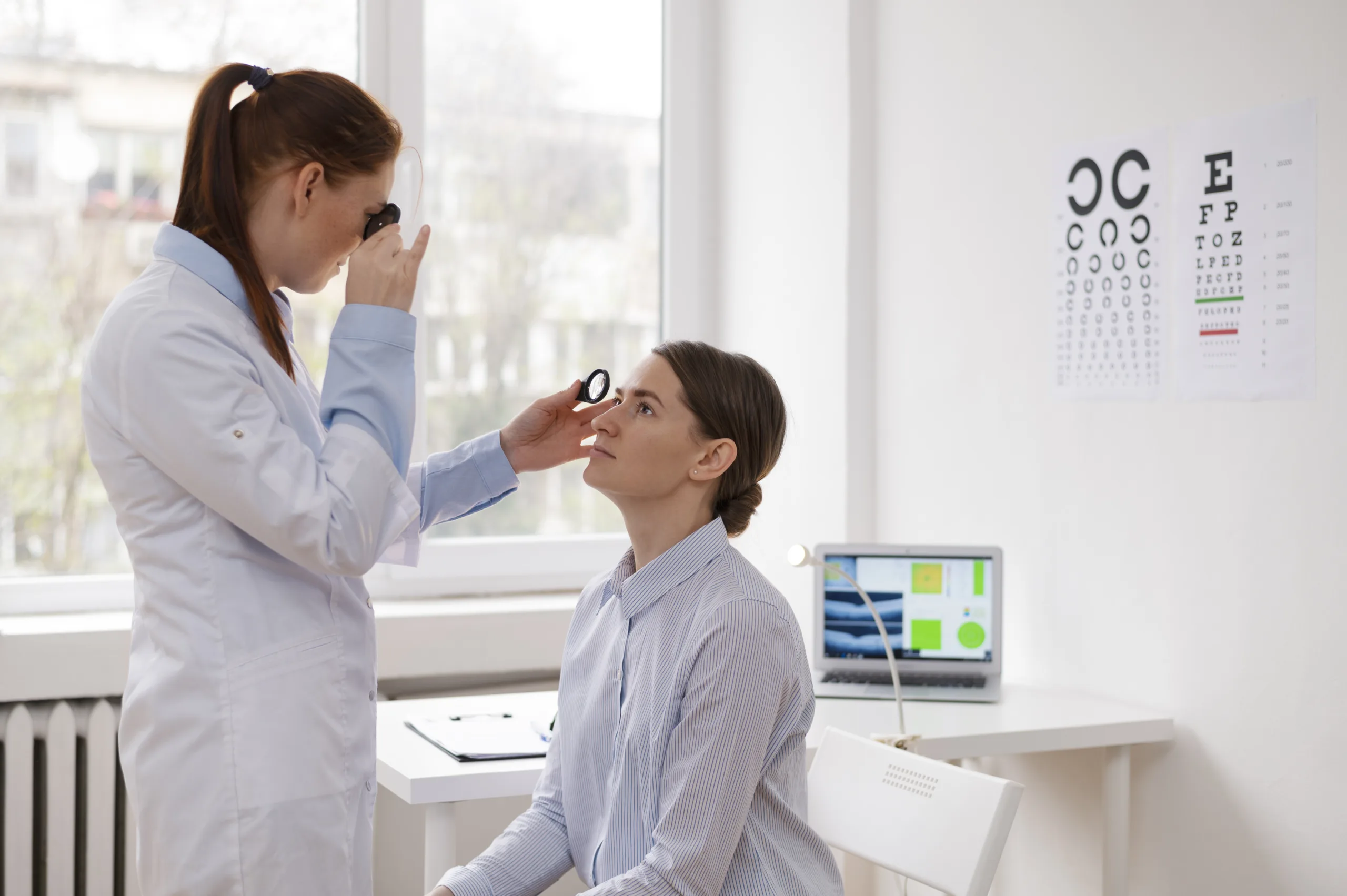
Occasional dryness after spending time outdoors is usually not a cause for concern. However, persistent symptoms should never be ignored.
You should schedule an eye examination if you experience:
- Ongoing dryness lasting several weeks
- Frequent redness
- Eye pain
- Blurred or reduced vision
- Increased sensitivity to light
- Recurring eye infections
- Difficulty wearing contact lenses
- A feeling that something remains inside the eye
Early diagnosis often prevents minor issues from becoming more serious conditions that require more extensive treatment.
Trust Shifa Al Khobar for Expert Eye Care
Your eyes work hard every day, especially in Saudi Arabia’s challenging desert environment. Whether you are dealing with dry eyes, irritation from dust, or concerns about UV related eye damage, timely care can protect your vision and improve your comfort.
At Shifa Al Khobar, our experienced ophthalmology specialists provide comprehensive eye examinations, accurate diagnosis, and personalized treatment plans for patients of all ages. If you are experiencing persistent eye discomfort or simply want to keep your vision healthy, we are here to help. Contact Shifa Al Khobar today to book your appointment and receive expert eye care tailored to your needs.