
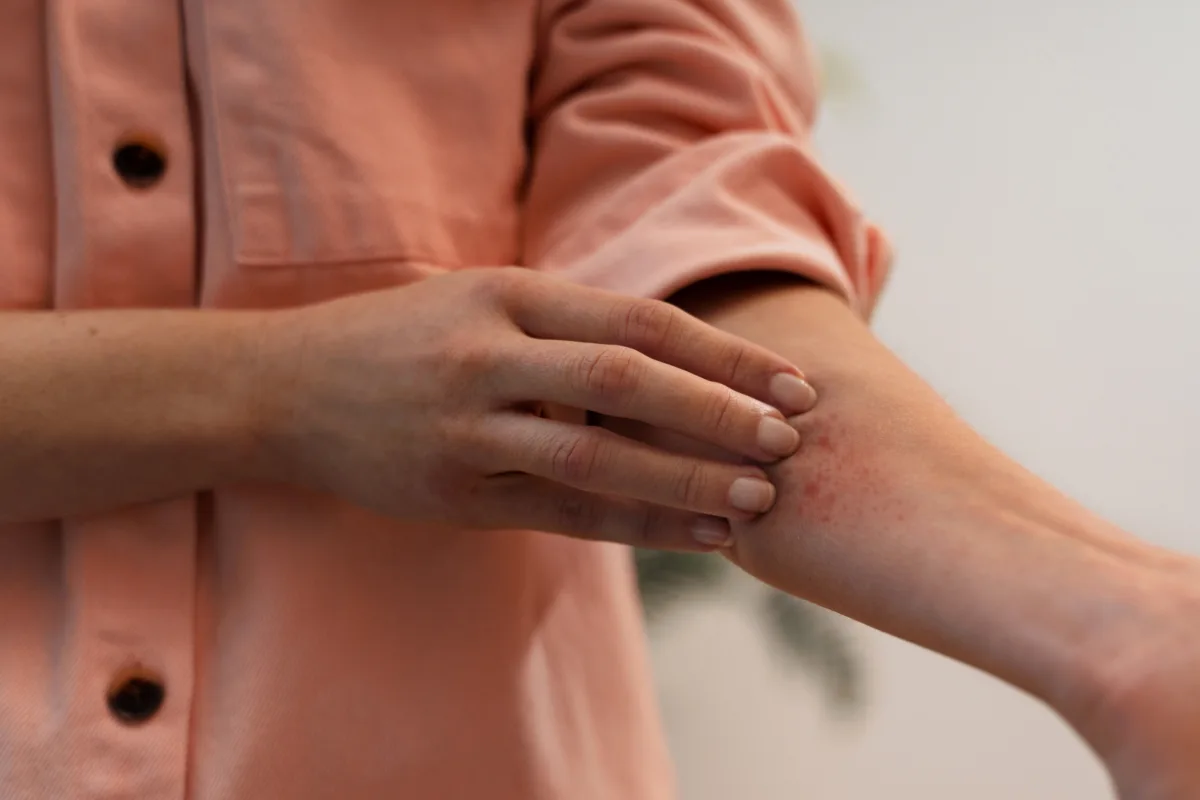
Hot and humid weather can be tough on your skin. When there is plenty of moisture in the air, sweating becomes more common, and the skin can stay damp for longer. These conditions can create a comfortable environment for fungi to grow. At Shifa Al Khobar, we often remind our patients that fungal skin infections are common, but they should not be ignored. With the right daily habits and timely treatment, most infections can be managed effectively.
Why Does Humid Weather Increase the Risk of Fungal Infections?
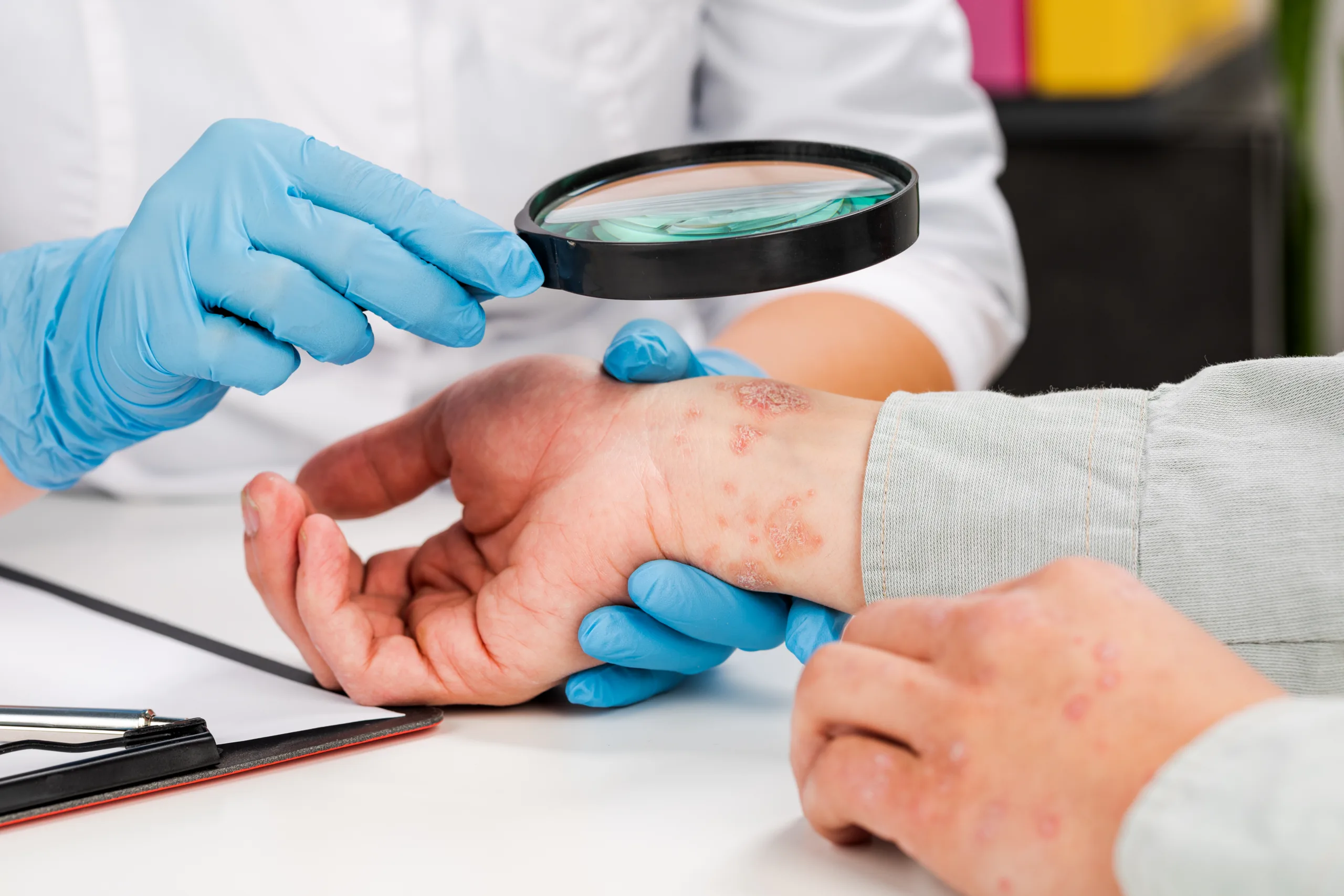
Fungi naturally exist on our skin, but problems can develop when they multiply more than usual. Warmth, moisture and sweating can encourage this growth. Areas where skin touches skin are especially vulnerable because moisture can become trapped there.
Common areas include the feet, groin, underarms, inner thighs and folds of the skin. Wearing tight clothing for long periods, staying in sweaty clothes after exercise and not drying the skin properly can increase the risk.
People who spend a lot of time outdoors or exercise regularly may notice these infections more often during hot weather.
Common Signs of a Fungal Skin Infection
Fungal infections can appear differently depending on the affected area. Itching is one of the most common symptoms. You may also notice redness, irritation, scaling or a burning sensation.
Some infections cause a circular rash with a more noticeable edge, while others appear as patches that become lighter or darker than the surrounding skin. Fungal infections affecting the feet may cause peeling between the toes, itching and cracked skin.
It is important to remember that not every itchy or red rash is caused by fungus. Eczema, allergies and other skin conditions can look similar. This is why getting the right diagnosis matters before starting treatment.
Simple Ways to Prevent Fungal Skin Infections
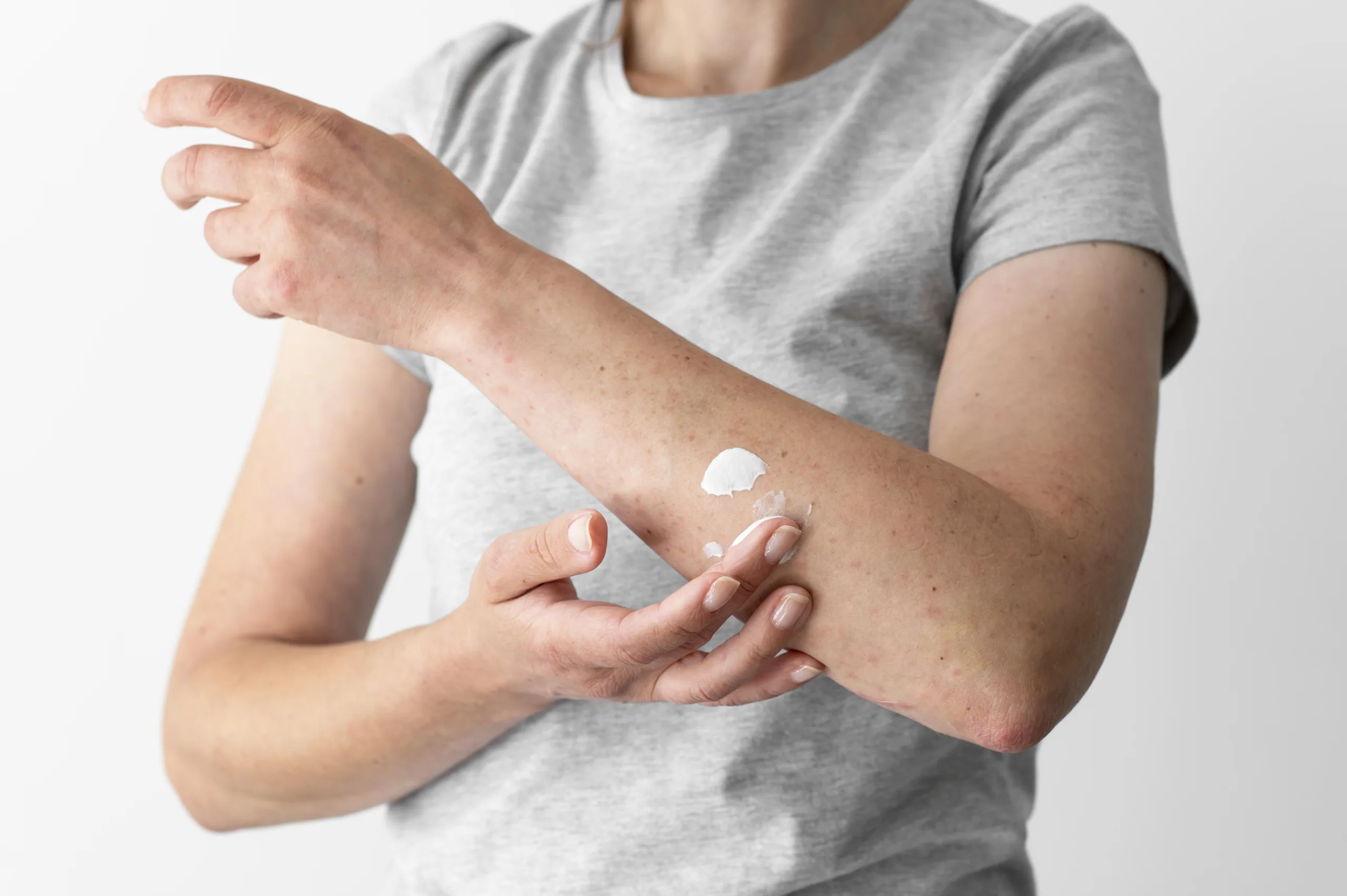
Keeping your skin clean and dry is one of the easiest ways to reduce your risk. After bathing, pay attention to areas where moisture can collect. Dry between your toes and around skin folds rather than leaving these areas damp.
Choose loose, breathable clothing whenever possible. Cotton and other comfortable fabrics can help reduce the amount of sweat trapped against your skin. Change sweaty clothes soon after exercise or outdoor activities.
Your feet also need special attention. Wear clean socks and change them if they become damp. Avoid wearing the same shoes continuously when they are still moist inside. Allowing footwear to dry properly can help reduce fungal growth.
Personal hygiene matters too. Do not share towels, clothing, footwear or other personal items with someone who has a suspected fungal infection. Keep towels clean and make sure they dry completely between uses.
What Treatment Is Available?
Treatment depends on the type and location of the infection. Many mild fungal infections can be treated with antifungal creams, lotions or powders. These medicines work by stopping fungal growth and helping the affected skin recover.
However, using the wrong cream can sometimes make a skin problem worse or hide important symptoms. Some people also stop treatment as soon as the itching improves, but the infection may still be present. Completing treatment as advised is important.
If the infection is widespread, keeps coming back or does not improve with suitable treatment, a doctor may recommend further evaluation and prescription medication. At Shifa Al Khobar, we can assess your symptoms and help determine the appropriate treatment based on your condition.
When Should You See a Doctor?
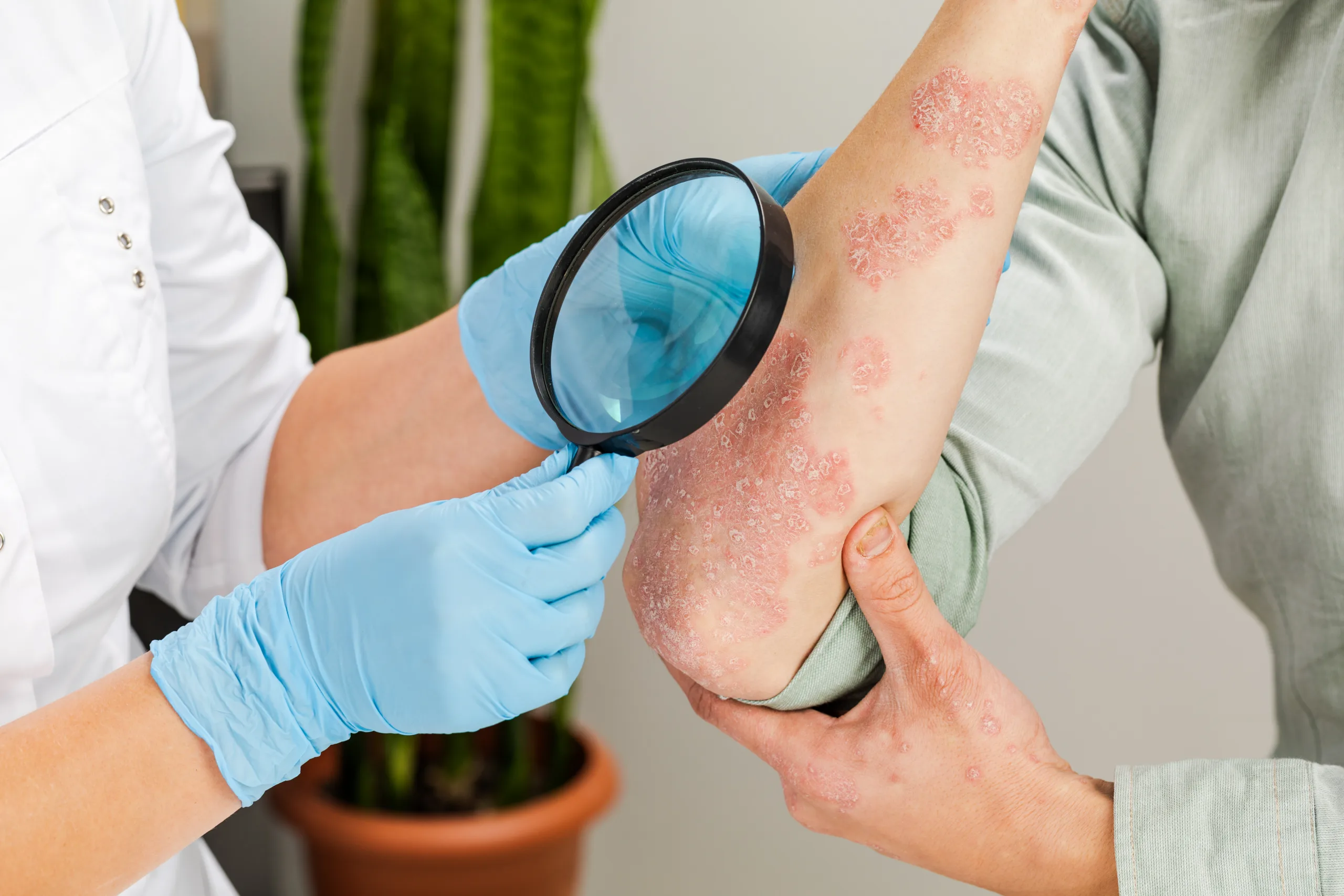
A mild rash may seem like a small problem, but persistent skin changes deserve attention. You should consider seeing a doctor if the rash continues to spread, becomes painful, develops cracks or discharge, or does not improve with appropriate care.
Medical evaluation is also important when infections repeatedly return. There may be an underlying reason that needs to be addressed. Early assessment can help prevent the infection from becoming more uncomfortable and easier to spread to other areas or people.
Take Care of Your Skin in Humid Weather
Fungal skin infections can be frustrating, especially when heat and humidity make your skin sweat more than usual. Keeping your skin clean and dry, changing damp clothing, choosing breathable fabrics and avoiding shared personal items can make a real difference.
At Shifa Al Khobar, we believe good skin care starts with understanding the problem rather than simply treating the visible rash. If you are dealing with persistent itching, redness, scaling or other unusual skin changes, contact us to schedule an appointment and speak with our medical team. We can assess your symptoms and guide you toward suitable treatment and prevention.