
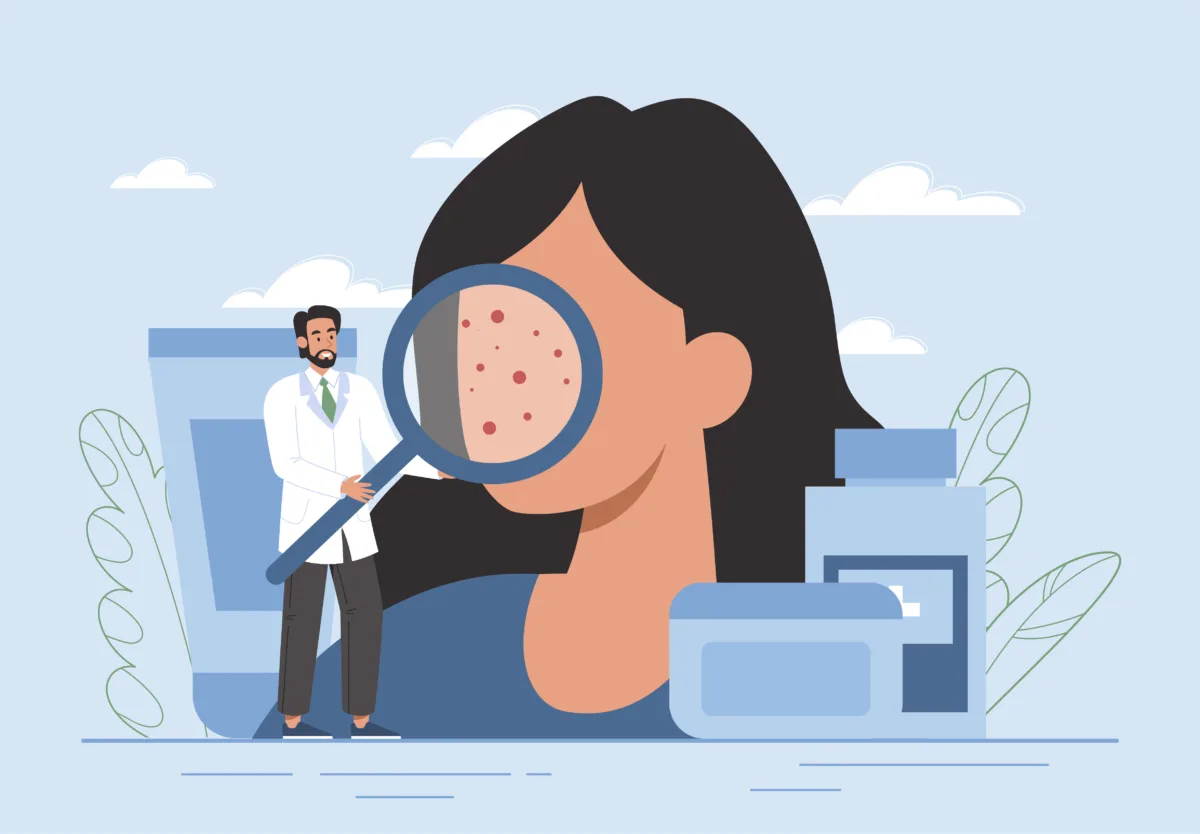
Acne is one of the most common skin concerns affecting people of all ages. While many associate it with the teenage years, adults can also experience frequent breakouts, especially in places with hot and humid weather. High temperatures, increased sweating, and excess oil production can make acne more difficult to manage. At Shifa Al Khobar, we understand how frustrating persistent acne can be and believe that the right skincare habits along with timely medical care can make a significant difference.
If your acne continues despite using skincare products or keeps coming back, it may be time to understand what is causing it and when professional treatment is the right choice.
Why Hot and Humid Weather Makes Acne Worse
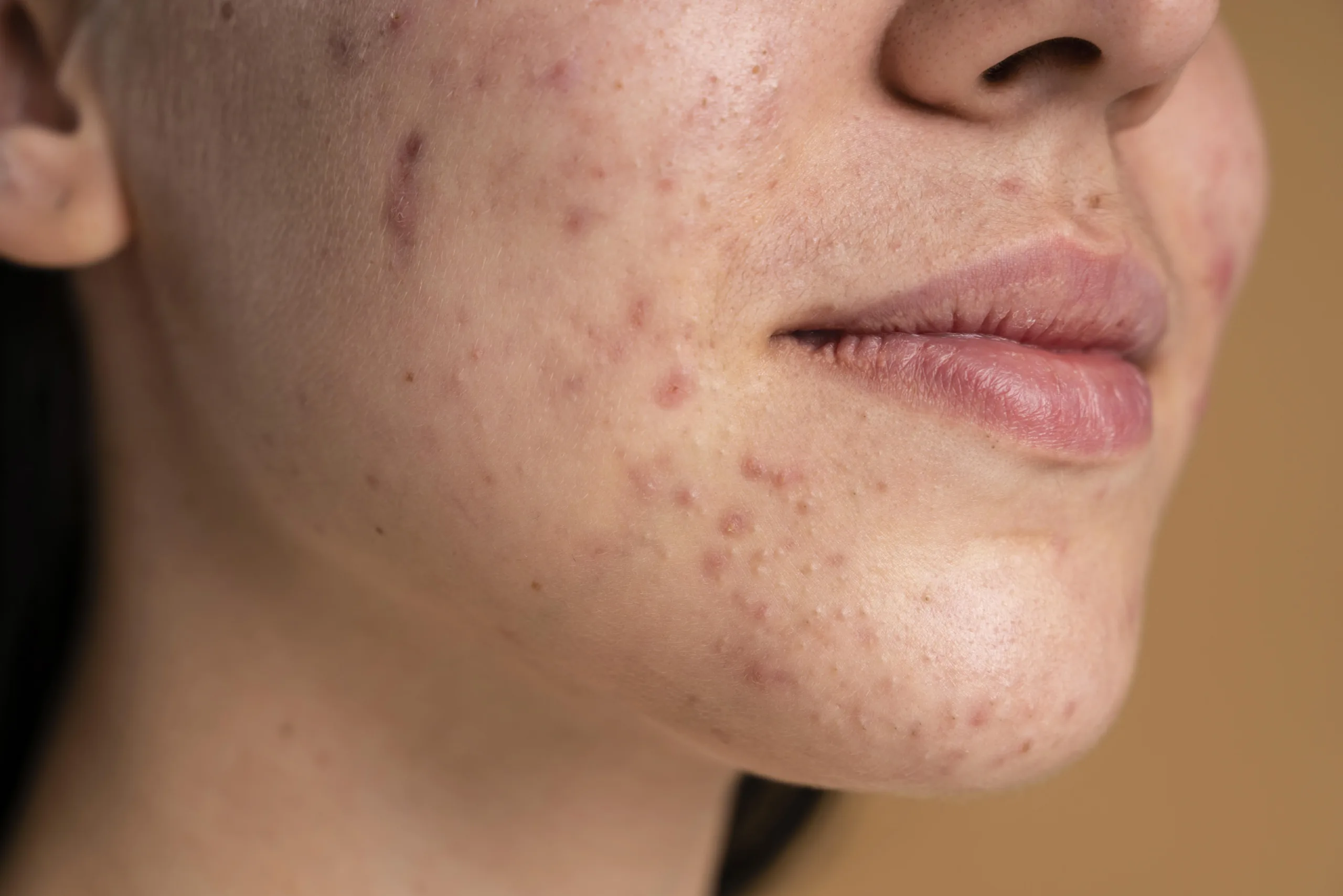
Your skin naturally produces oil to keep itself healthy and protected. During hot and humid weather, your body sweats more, and the oil glands become more active. When sweat, oil, dirt, and dead skin cells combine, they can clog pores and create the perfect environment for acne causing bacteria to grow.
People living in warm climates often notice that their acne becomes worse during the summer months or after spending long hours outdoors. Humidity also makes it harder for sweat to evaporate, leaving the skin feeling sticky and increasing the chances of blocked pores.
This combination often leads to more blackheads, whiteheads, pimples, and painful inflamed acne.
Common Causes of Acne in Humid Conditions
Although weather can trigger acne, it is usually not the only reason behind breakouts. Several factors work together to affect your skin.
Some of the most common causes include:
- Excess oil production
- Heavy sweating
- Clogged pores
- Hormonal changes
- Wearing tight clothing or head coverings for long periods
- Using oily skincare or makeup products
- Poor cleansing habits after exercise
- Stress and lack of sleep
- Genetics
Understanding your specific trigger is important because acne treatment is never the same for everyone.
Signs That Your Acne Needs Medical Attention
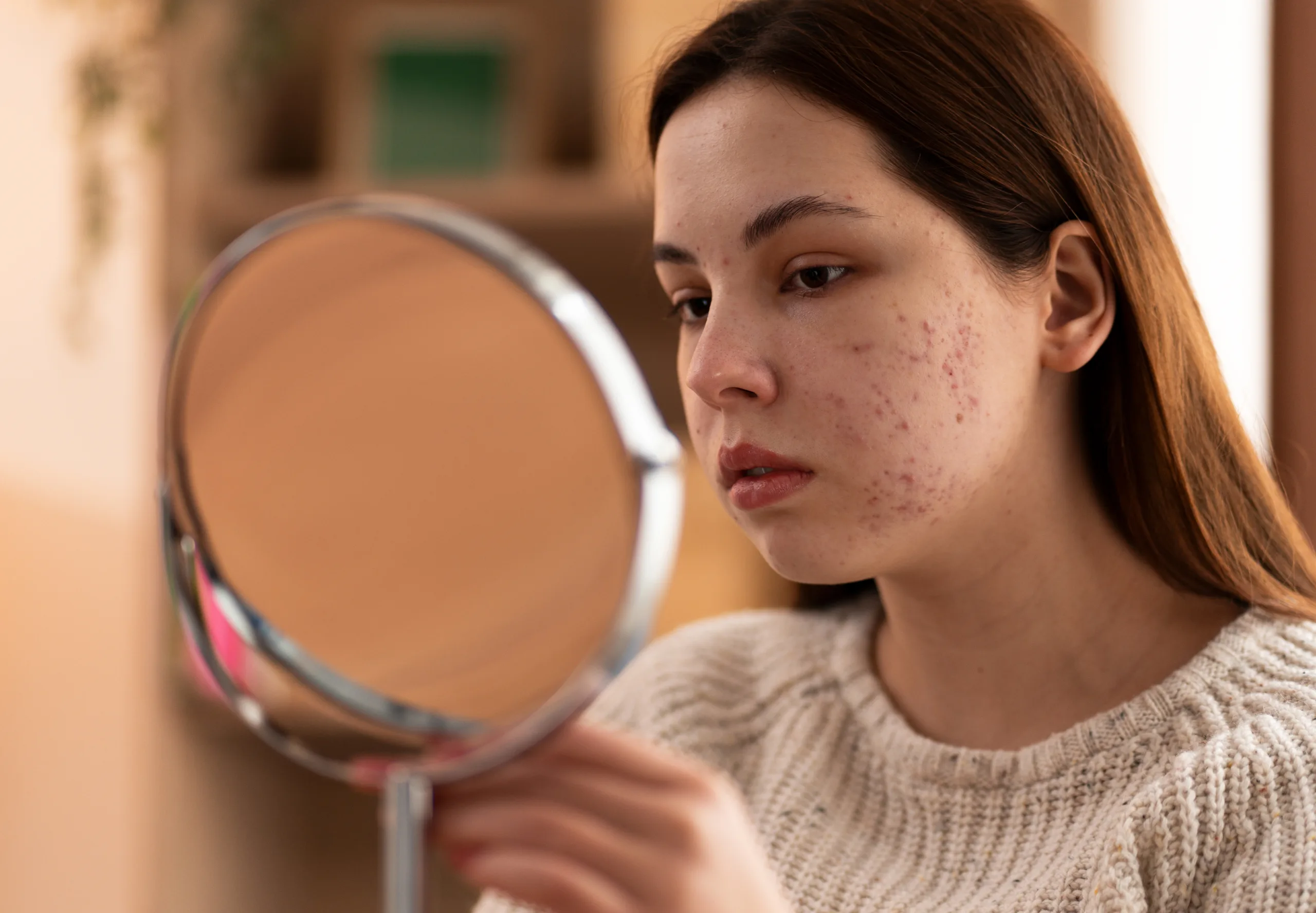
Many people try home remedies or over the counter products for months before seeking professional help. While mild acne may improve with proper skincare, some cases require medical evaluation.
You should consider seeing a dermatologist if you notice:
- Painful cysts or deep acne
- Acne leaving scars or dark spots
- Frequent breakouts despite regular skincare
- Large areas of the face, chest, or back affected
- Emotional distress or low confidence due to acne
- Acne that suddenly appears in adulthood
Early treatment often prevents permanent scarring and reduces the time needed for recovery.
Daily Habits That Help Prevent Acne
Good skincare does not need to be complicated. Small daily habits can make a noticeable difference in preventing breakouts.
Wash your face twice a day using a gentle cleanser suitable for oily or acne prone skin. Avoid washing too often because excessive cleansing may irritate the skin and increase oil production.
After sweating, wash your face or shower as soon as possible to remove sweat, oil, and bacteria.
Choose lightweight, non comedogenic skincare and sunscreen products that will not block your pores.
Drink enough water throughout the day to help maintain healthy skin.
Avoid touching or picking pimples since this increases inflammation and raises the risk of scarring.
Wash pillowcases, towels, and makeup brushes regularly because they can collect oil and bacteria over time.
Can Diet Affect Acne?

Diet alone is not always responsible for acne, but certain eating habits may influence breakouts in some individuals.
Foods high in sugar and refined carbohydrates may increase inflammation and affect hormone levels. Some people also notice acne worsening after consuming excessive dairy products, although this varies from person to person.
A balanced diet rich in fruits, vegetables, whole grains, lean proteins, and healthy fats supports overall skin health. Staying hydrated is equally important, especially in hot climates where fluid loss through sweating is higher.
Professional Acne Treatments Available
Every person’s skin is different, so treatment should be based on the type and severity of acne. At Shifa Al Khobar, our dermatologists perform a detailed skin assessment before recommending the most suitable treatment plan.
Depending on your condition, treatment may include prescription creams, oral medications, chemical peels, acne scar management, or other dermatologist recommended procedures. The goal is not only to treat active acne but also to reduce future breakouts and minimize scarring.
Following your dermatologist’s instructions consistently is essential because acne treatment often takes several weeks before noticeable improvement appears.
Mistakes That Can Make Acne Worse
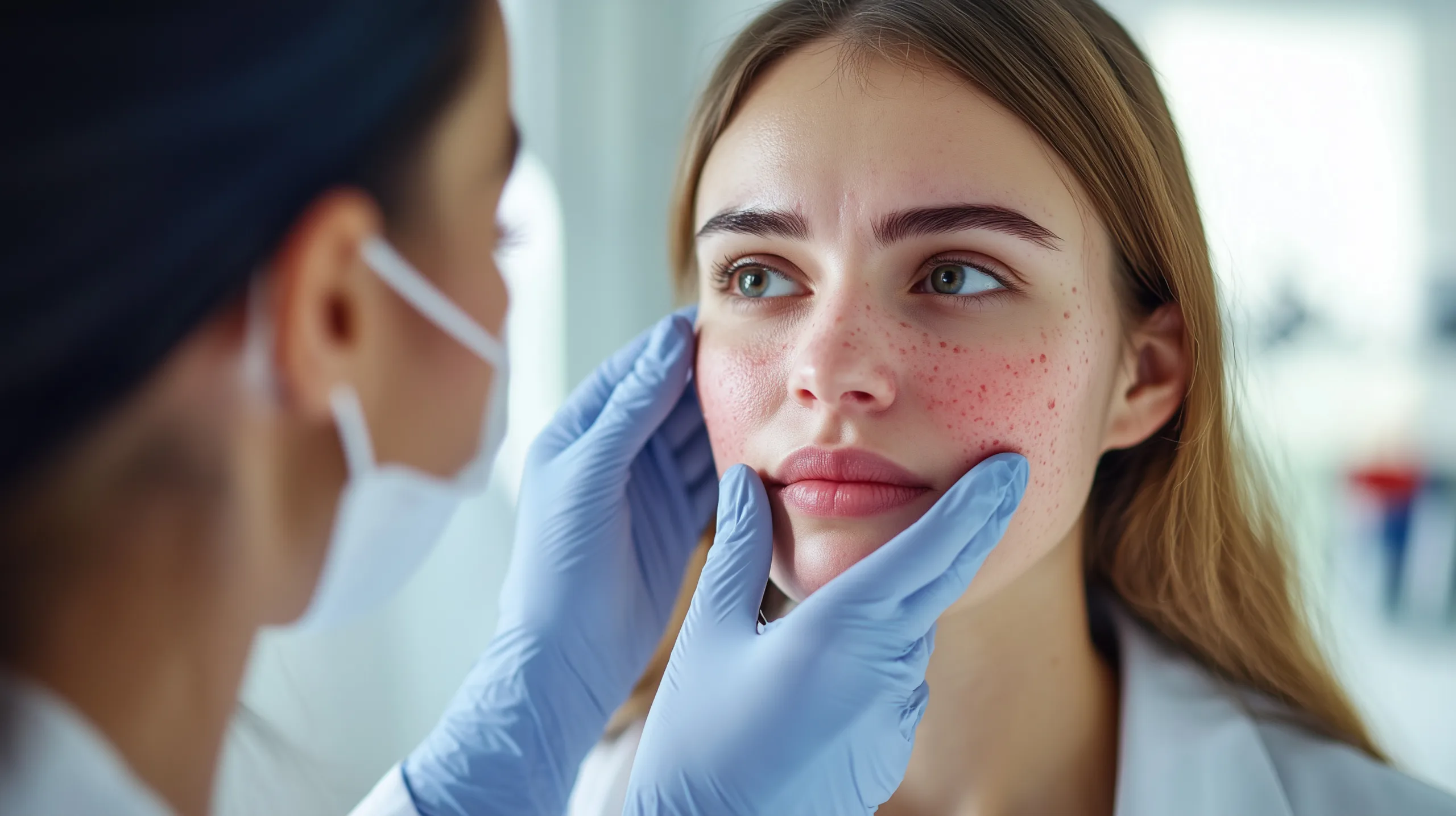
Many people unknowingly make their acne more difficult to control.
Using harsh scrubs can damage the skin instead of helping it heal. Applying multiple acne products at the same time may cause irritation, redness, and dryness.
Sleeping with makeup on can clog pores overnight. Sharing towels or makeup products may increase bacterial exposure.
Another common mistake is stopping treatment too early. Even if your skin starts improving, your dermatologist may recommend continuing treatment for a certain period to prevent acne from returning.
When to Visit a Dermatologist
If acne continues to affect your daily life, leaves scars, or does not improve with proper skincare, professional care is the best next step. Early diagnosis allows for effective treatment before the condition becomes more severe.
At Shifa Al Khobar, our experienced dermatology team provides personalized care for acne and other skin concerns. We focus on identifying the underlying cause and creating treatment plans that suit your skin type and lifestyle. If you are struggling with persistent acne or recurring breakouts, contact Shifa Al Khobar today to schedule a consultation and take the first step toward healthier, clearer skin.