
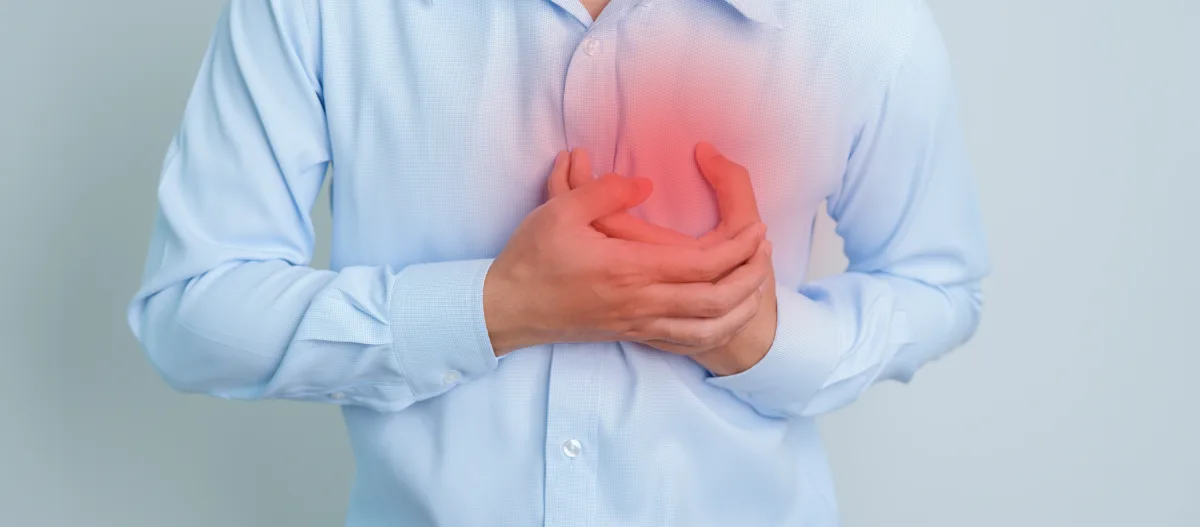
Chest pain can feel alarming no matter how mild it seems. Even when you suspect indigestion your mind may go straight to heart trouble. At Shifa Al Khobar we meet many people who arrive worried about their heart only to discover the discomfort comes from acid reflux. The challenge is that both issues can feel similar which makes it important to understand the difference. Here is a clear way to sort through the signs so you know when to stay calm and when to seek urgent care.
What Acid Reflux Chest Pain Usually Feels Like
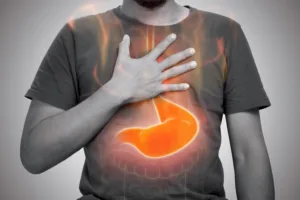
Most people describe reflux related chest pain as a burning pressure behind the breastbone. It often shows up after a large meal or when lying down soon after eating. What is happening inside the body is simple. Stomach acid moves upward into the esophagus which reacts with irritation and sends a burning sensation into the chest.
A sour taste in the mouth can appear along with burping bloating or the feeling that food is coming back up. Another helpful clue is how the pain responds to position or antacids. If standing up or taking an over the counter antacid reduces the pain that points strongly toward acid reflux rather than a heart concern.
How Heart Related Chest Pain Feels Different
Heart related pain can be trickier because it does not always look dramatic. It might feel like pressure tightness or heaviness rather than burning. Some describe it as a weight sitting on the chest. The sensation may spread to the arms neck jaw or back. It often appears during physical effort or strong emotional stress rather than after meals.
Shortness of breath sweating nausea or sudden fatigue can also join the picture. If you notice these symptoms together do not wait. Seek medical care immediately.
Other Conditions That Can Cause Chest Pain

Muscle strain inflammation around the ribs anxiety and lung related issues can all appear as chest discomfort. This is why guessing from one symptom rarely works. If the pain feels new intense persistent or simply unusual for your body it is always better to get checked.
Pay Attention to Timing and Triggers
Acid reflux often has a clear connection to food. Spicy meals chocolate citrus fatty foods coffee or late night eating commonly trigger it. Lying flat soon after dinner can make it worse. Heart related pain usually does not follow food patterns. Instead it correlates more with exertion or emotional stress.
When chest pain shows up without any food related trigger or appears suddenly during activity it deserves attention.
How Long the Pain Lasts Matters
Reflux discomfort can last minutes or hours but tends to fluctuate. Heart related pain stays steady and may grow stronger over time instead of fading. Any pain that lasts more than a few minutes especially without a clear cause should be taken seriously.
Your Health History Plays a Role
People with diabetes high blood pressure high cholesterol obesity or a strong family history of heart disease should be extra cautious. Even mild chest pain in such cases deserves prompt evaluation. At Shifa Al Khobar we always remind patients that early attention is far safer than ignoring symptoms and hoping they fade.
When to Seek Medical Help

If your chest pain comes with difficulty breathing spreading pain dizziness nausea or a sense that something is not right treat it as an emergency. If your symptoms seem tied to reflux but keep returning or feel stronger than usual schedule a medical visit so you can get proper evaluation and treatment.
Your health is never something to gamble with and what feels minor can sometimes signal something deeper.
At Shifa Al Khobar our team is here to guide you through these symptoms with calm clarity and proper testing. If you are unsure whether your chest pain is reflux or something more serious reach out to us. Contact us today to book an appointment or speak with our specialists.