
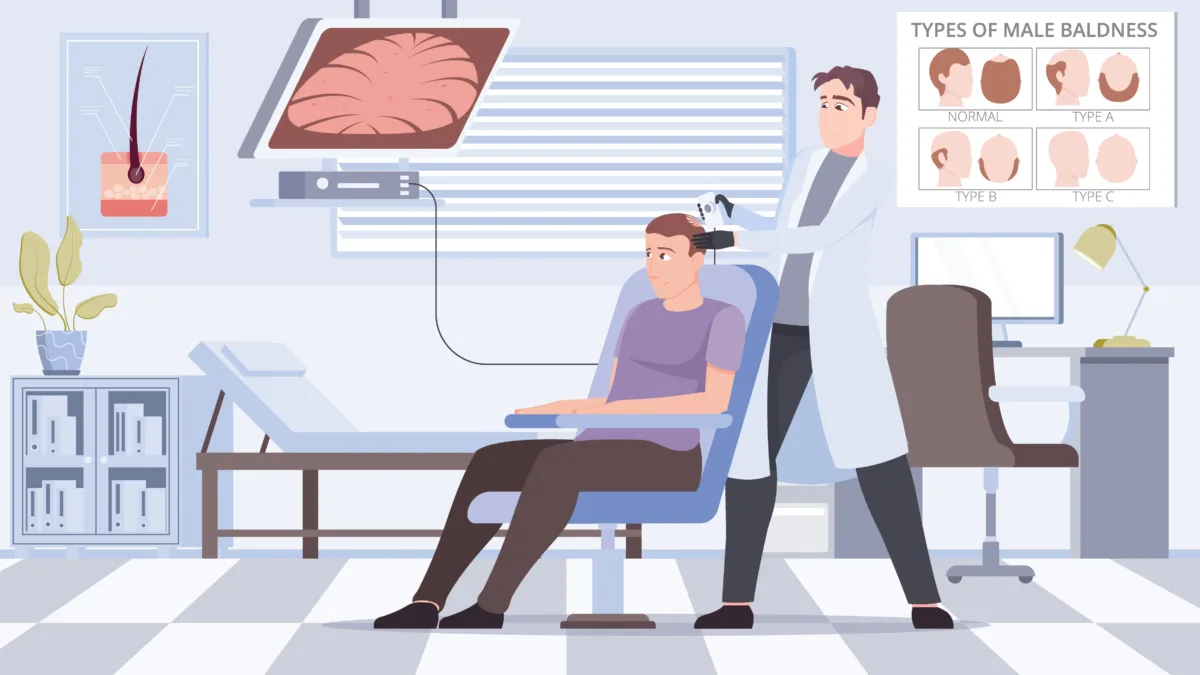
Many people use the terms hair fall and hair loss interchangeably. While both involve losing hair, they are not exactly the same condition. Understanding the difference is important because the causes, treatments, and outcomes can vary significantly.
At Shifa Al Khobar, we often meet patients who are worried about thinning hair, excessive shedding, or bald patches. Some cases are temporary and easy to manage, while others require professional medical attention. Knowing what is normal and what is not can help you take the right steps before the problem becomes more serious.
What Is Hair Fall?
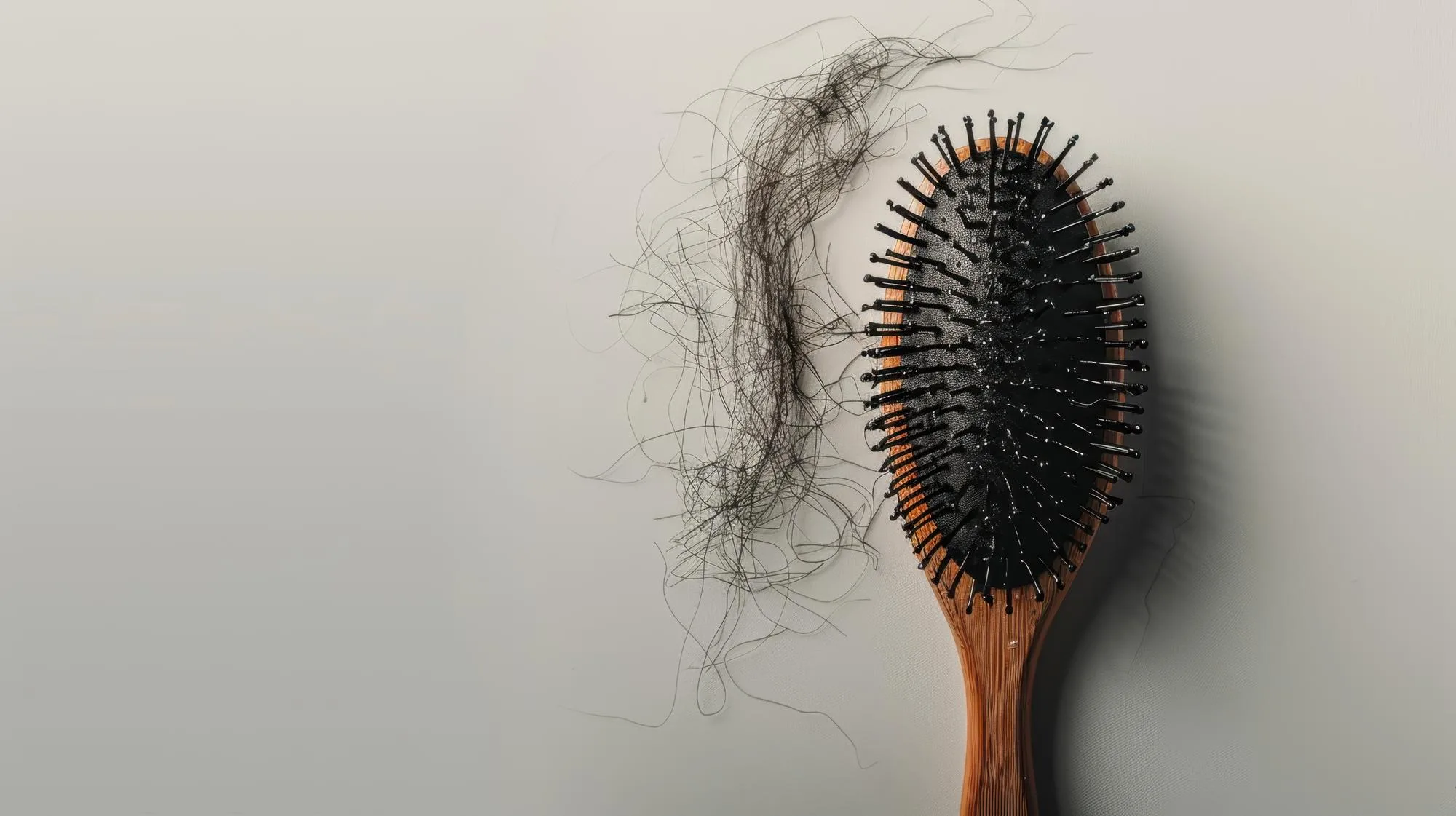
Hair fall is a natural part of the hair growth cycle. Every person loses a certain amount of hair each day. In fact, shedding between 50 and 100 strands daily is considered normal.
Hair grows in cycles. Some strands are actively growing, while others are resting before eventually falling out to make room for new hair. This process happens continuously throughout life.
However, when the amount of hair shedding increases noticeably, it may be due to factors such as:
- Stress and anxiety
- Poor nutrition
- Lack of sleep
- Hormonal changes
- Certain medications
- Illness or fever
- Seasonal changes
In many cases, hair fall caused by these factors is temporary. Once the underlying issue is addressed, hair growth often returns to normal.
What Is Hair Loss?
Hair loss is a more serious condition where hair stops growing back properly after shedding. Instead of being replaced by new strands, the affected areas gradually become thinner.
Hair loss can occur across the scalp or in specific patches. Over time, it may lead to visible thinning or baldness.
Common causes of hair loss include:
- Genetic factors
- Autoimmune conditions
- Scalp infections
- Hormonal disorders
- Certain medical treatments
- Long term nutritional deficiencies
Unlike temporary hair fall, hair loss often requires medical evaluation and treatment to prevent further progression.
Key Differences Between Hair Fall and Hair Loss

Understanding the distinction between these two conditions can help you determine whether professional care is needed.
Hair Fall
- Usually temporary
- Hair grows back naturally after the trigger is removed
- Increased shedding is noticeable during washing or combing
- Often linked to stress, illness, or lifestyle factors
Hair Loss
- Can be permanent if left untreated
- Hair regrowth may not occur without treatment
- Causes visible thinning or bald patches
- Often associated with genetics or medical conditions
If you notice that your hair is not growing back after months of excessive shedding, it may be a sign of hair loss rather than simple hair fall.
Common Signs That Should Not Be Ignored
While occasional shedding is normal, certain symptoms may indicate a deeper issue.
Watch for signs such as:
- A widening part line
- Visible scalp through the hair
- Receding hairline
- Bald patches
- Sudden and excessive shedding
- Hair becoming significantly thinner
- Persistent scalp itching or irritation
These symptoms should be evaluated by a dermatologist to identify the root cause.
Why Early Diagnosis Matters
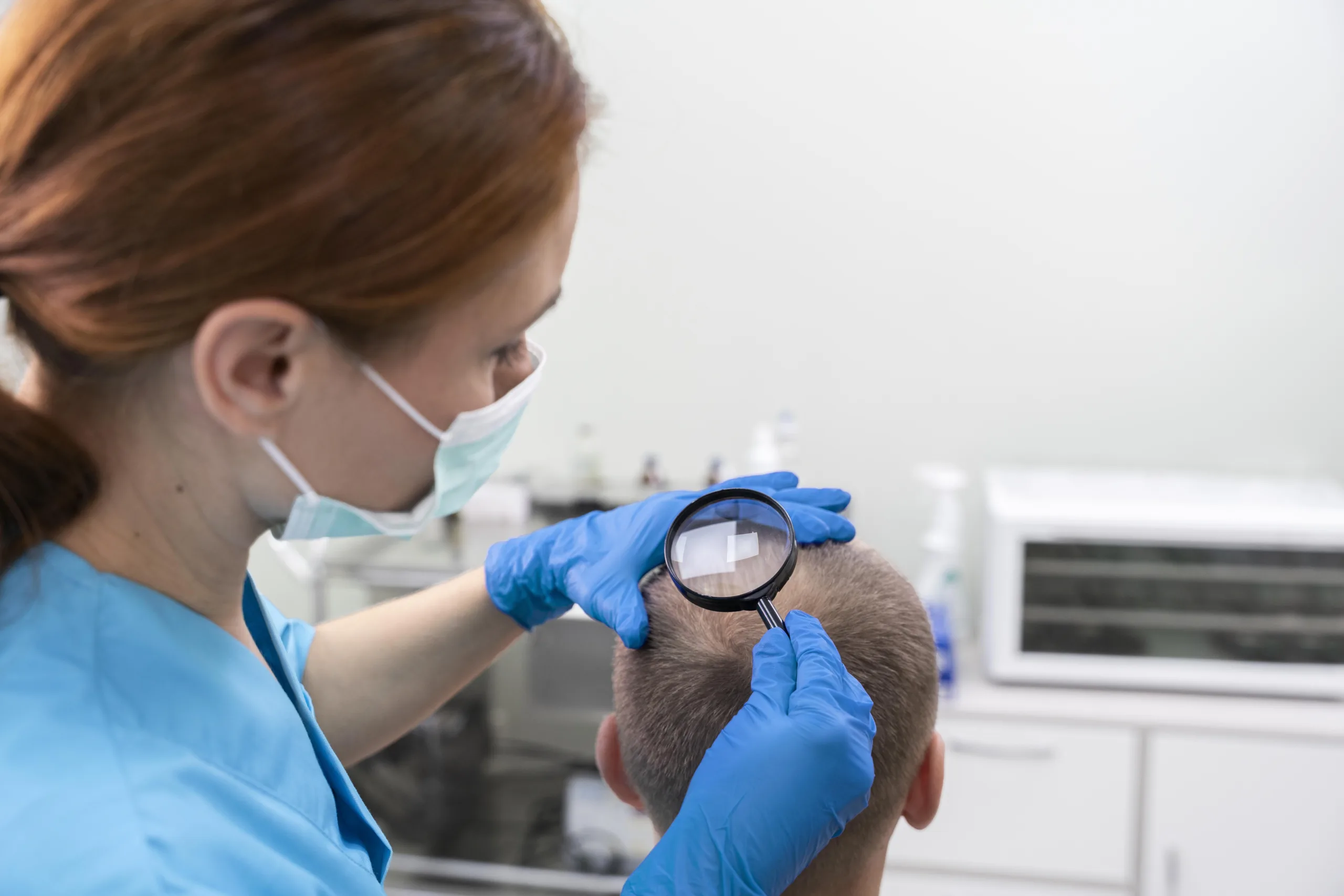
Many people wait too long before seeking help because they assume the problem will resolve on its own. Unfortunately, some forms of hair loss become harder to treat when they progress.
Early diagnosis allows your dermatologist to:
- Identify underlying health conditions
- Evaluate hormonal imbalances
- Detect nutritional deficiencies
- Diagnose scalp disorders
- Create a personalized treatment plan
The sooner treatment begins, the better the chances of preserving existing hair and encouraging healthy regrowth.
How a Dermatologist Diagnoses Hair Problems
At Shifa Al Khobar, our dermatology specialists take a comprehensive approach to hair and scalp concerns.
The evaluation may include:
- Detailed medical history
- Physical examination of the scalp
- Hair pull test
- Blood tests to check for deficiencies or hormonal issues
- Scalp analysis when required
These assessments help determine whether you are experiencing temporary hair fall or a more complex hair loss condition.
Treatment Options for Hair Fall and Hair Loss

Treatment depends on the underlying cause.
For hair fall, recommendations may include:
- Improving nutrition
- Managing stress
- Treating underlying illnesses
- Taking prescribed supplements when needed
For hair loss, treatment may involve:
- Medications that support hair growth
- Treatment for hormonal conditions
- Therapy for scalp disorders
- Customized dermatological care plans
Every patient’s situation is different, which is why professional assessment is essential before starting any treatment.
Maintaining Healthy Hair
Healthy habits play an important role in supporting strong hair growth.
Some simple steps include:
- Eating a balanced diet rich in vitamins and protein
- Staying hydrated
- Getting adequate sleep
- Managing stress levels
- Avoiding excessive heat styling
- Using gentle hair care products
While these practices may not prevent every form of hair loss, they can improve overall hair health and reduce unnecessary shedding.
When Should You See a Dermatologist?
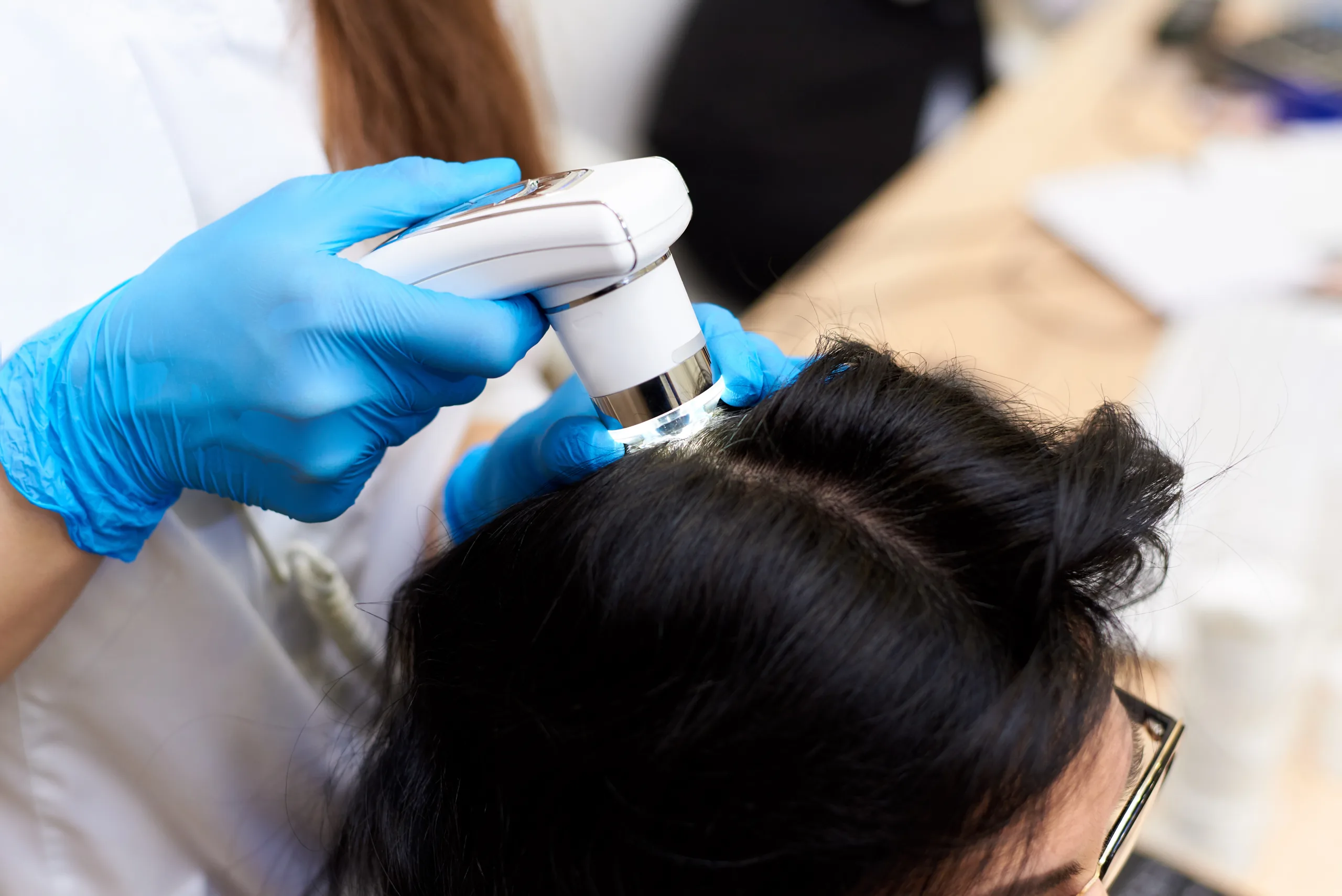
If your hair shedding continues for several months, if you notice thinning areas, or if bald patches start to appear, it is time to seek professional advice. Ignoring the symptoms may allow the condition to progress further.
At Shifa Al Khobar, our experienced dermatology team provides comprehensive evaluation and treatment for various hair and scalp conditions. We are committed to helping patients identify the cause of their hair concerns and receive personalized care that supports long term hair health. If you are concerned about excessive hair fall or hair loss, contact us today to schedule a consultation with our dermatology specialists.